

What Is a Family-Friendly Tour? A 2026 Guide
TL;DR:
- A family-friendly tour is a guided experience with age-appropriate activities, paced itineraries, and logistics that ease parental planning. Such tours typically bundle transportation, accommodation, and activities, catering to diverse age needs through flexibility and thoughtful design. Private tours offer greater control, customization, and safety, ensuring a seamless experience tailored to each family’s unique preferences.
A family-friendly tour is a guided or organized travel experience designed specifically to accommodate the diverse needs, stamina levels, and ages of families with children. In the travel industry, these experiences are often called “family group tours” or “family vacation packages,” though the core promise stays the same: activities, pacing, and logistics that work for everyone at the table. Providers like Trafalgar and EF Go Ahead Tours have built entire product lines around this concept, recognizing that a tour built for adults rarely satisfies a seven-year-old or a grandparent with a sore knee. Understanding what separates a genuinely family-friendly experience from a tour that simply claims to be one is the most useful thing any parent can know before booking.
What is a family-friendly tour, really?
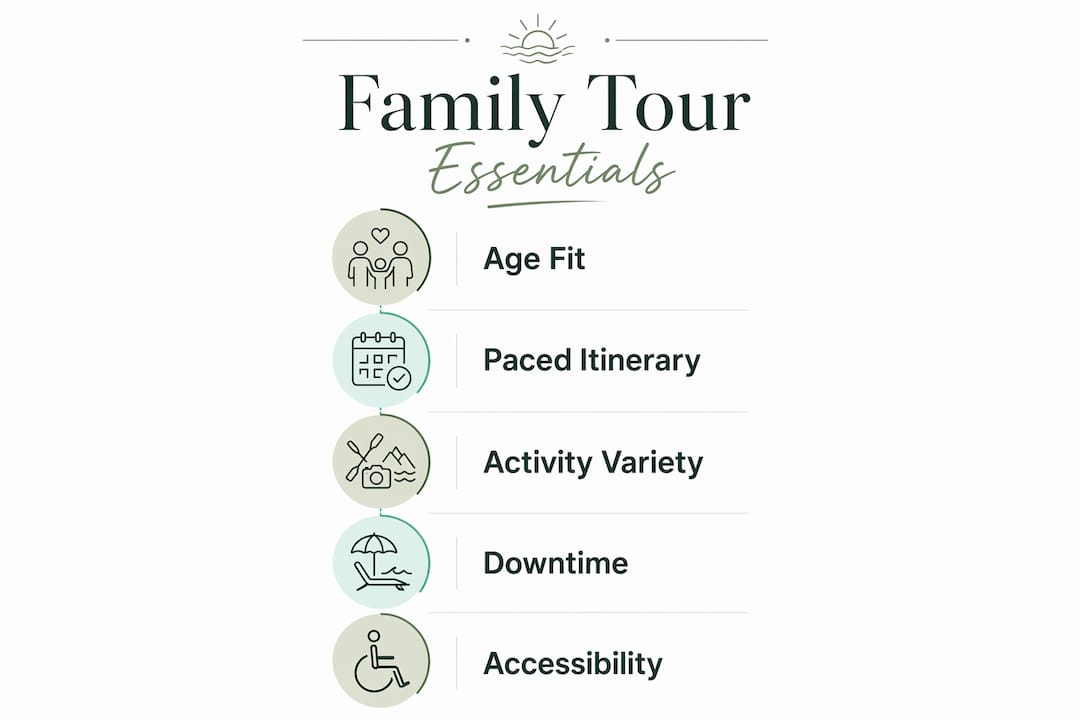
A family-friendly tour is defined by three operational pillars: age-appropriate activities, thoughtfully paced itineraries, and logistics that reduce the burden on parents. The label itself is common in travel marketing, but the substance behind it varies widely. Trafalgar’s family tour program, for example, bundles transportation, accommodation, meals, and guided activities into a single package, removing the need for parents to coordinate every moving part. EF Go Ahead Tours structures its family itineraries with a deliberate mix of guided and free time, giving families space to rest, regroup, and move at their own pace. These structural choices are what distinguish a true family tour from a standard group tour with a lower age limit.
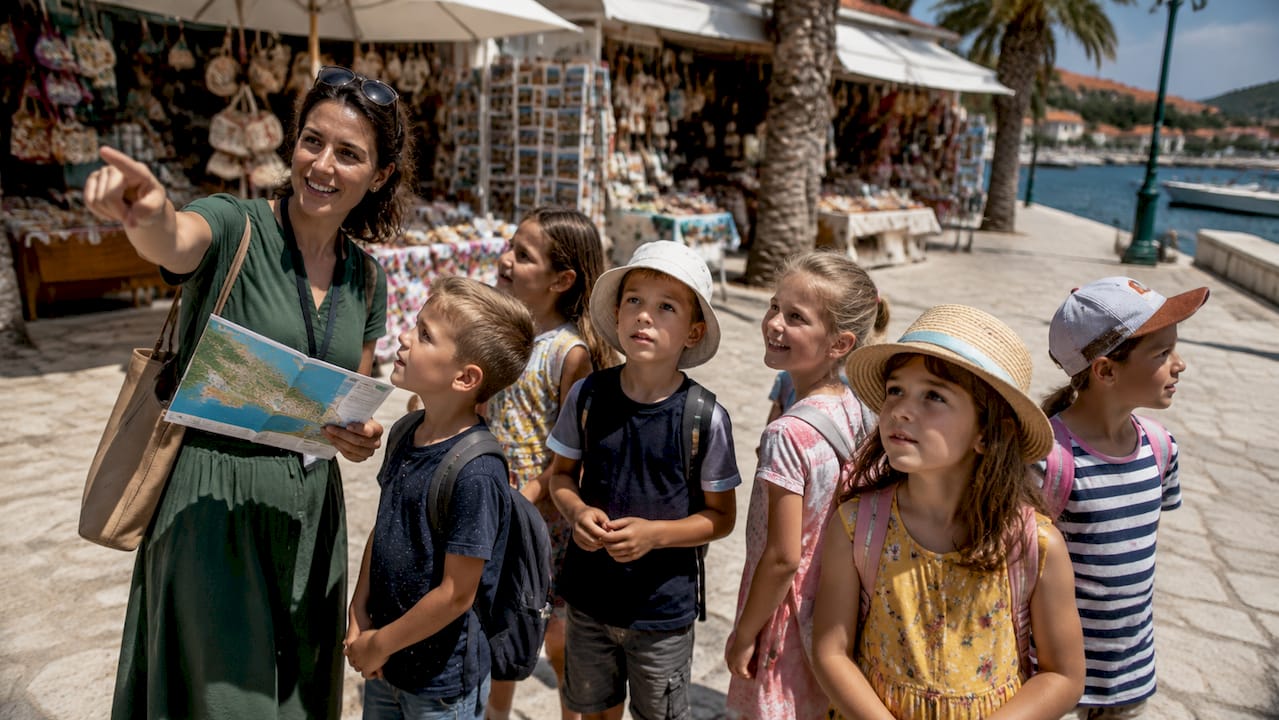
The industry term you will encounter most often is “family group tour” or “family vacation package.” Both describe the same model: a pre-organized itinerary with built-in support for mixed-age groups. Private versions of this model, like those offered by Croatia-private-transfers, go further by tailoring every detail to a single family’s needs rather than averaging across a group.
What features make a tour family-friendly across age groups?
Age-specific needs are the defining factor in any well-designed family tour. A 2026 guide to best family tours by age group lists duration, pacing, transit style, flexibility, access needs, food and rest stops, and age suitability as the essential filters families should apply before booking. Each of those filters maps directly to a different child age range.
Here is how those needs break down in practice:
- Toddlers (ages 1–4): Stroller accessibility is non-negotiable. Tours must include low-step transport, paved or smooth walking surfaces, and frequent rest points. Shaded rest areas matter more than scenic overlooks.
- Elementary-age children (ages 5–10): Hands-on, interactive activities hold attention far better than guided lectures. Think cooking demonstrations, archaeological dig simulations, or wildlife spotting rather than museum walkthroughs.
- Tweens and teens (ages 11–17): This group needs a degree of independence within the structure. Tours that offer optional activities, free exploration windows, or teen-specific challenges keep older kids engaged rather than resentful.
- Multigenerational groups: Easy seating, manageable walking distances, and flexible pacing are the priority. A grandparent who cannot keep up with a two-mile walking segment will affect the mood of the entire group.
Itinerary rhythm matters as much as the activity list. Tours tuned to the youngest child’s stamina typically use two-hour engagement blocks as a practical ceiling for children under ten. Beyond that window, attention drops and frustration rises. The best family tour operators build natural breaks into every two-hour segment, whether that means a snack stop, a short walk, or simply a change of scenery.
Pro Tip: When reviewing a tour itinerary, count the number of transitions in a single day. More than four location changes in one day is a warning sign for families with young children.
How do guided family tours reduce planning stress?
Guided family tours reduce planning stress by transferring the logistical burden from parents to professional operators. According to Family Travel Magazine, guided tours handle transportation, tickets, and schedules so that parents can focus on being present rather than problem-solving. That shift is more significant than it sounds. A parent who is not managing a rental car, hunting for parking, or deciphering a foreign transit system is a parent who can actually enjoy the trip.
The practical advantages of a well-run guided family tour include:
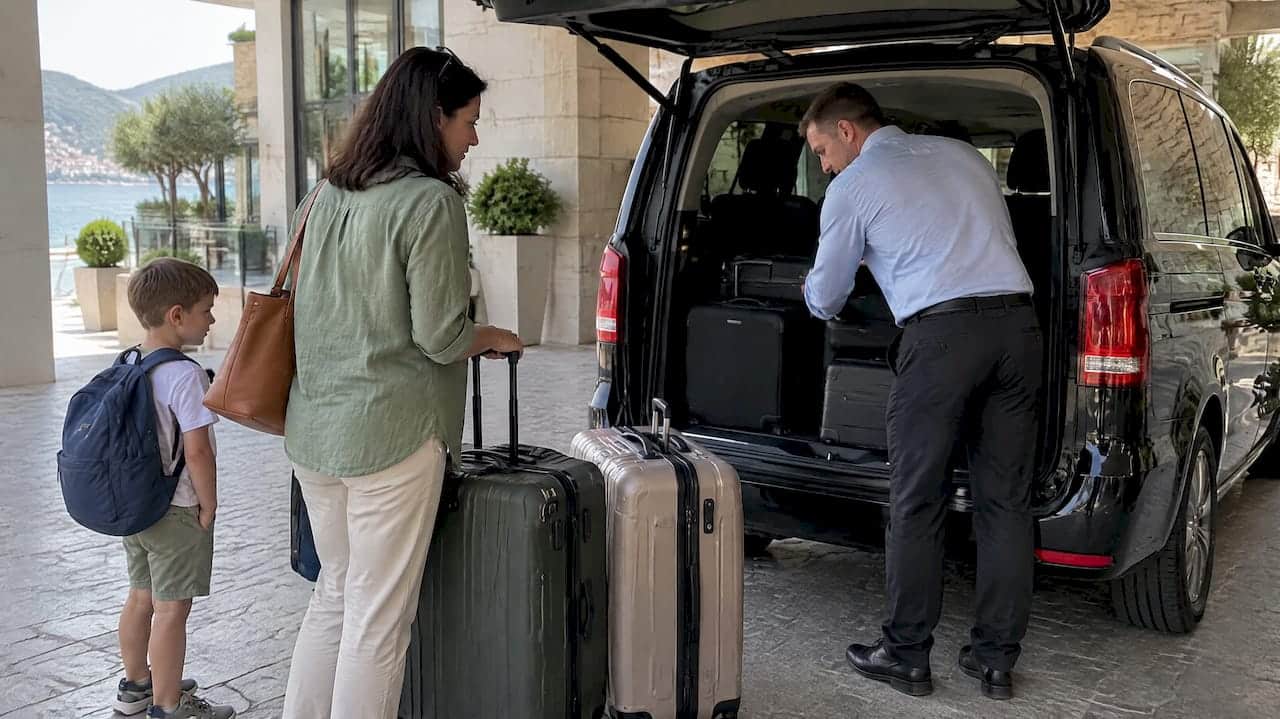
- Pre-arranged transportation: No rental cars, no navigation stress, no car seat logistics in unfamiliar cities.
- Pre-purchased tickets: Skip-the-line access at popular sites like Plitvice Lakes or the Colosseum saves hours that would otherwise be spent in queues with restless children.
- Bundled meals and accommodation: Family tours that bundle logistics remove the daily decision fatigue of finding restaurants that satisfy both a picky eight-year-old and an adult who wants a real meal.
- Expert local guides: A knowledgeable guide can translate a UNESCO site into a story a child actually wants to hear. That skill is genuinely rare and genuinely valuable.
- Built-in social structure: Group tours create natural opportunities for children to meet peers, which often becomes the highlight of the trip for kids.
Planned downtime and regrouping within group tours are advantages families consistently underestimate before they experience them. A thirty-minute free period at a town square feels like nothing on paper. In practice, it is the moment children decompress, parents breathe, and the group resets for the next activity.
What criteria should families use to compare tours?
Families should evaluate tours against a concrete checklist rather than relying on marketing language. The phrase “family-friendly” appears on tours ranging from genuinely excellent to barely adequate. Operational details like restroom access, snack flexibility, and stated pacing are more reliable indicators of quality than any headline claim.
The table below summarizes the key criteria and what to look for in each:
| Criteria | What to Look For | Red Flag |
|---|---|---|
| Duration per segment | Two-hour blocks with breaks | Half-day segments with no rest stops |
| Transit style | Low-step, air-conditioned vehicles | Long walks between transport points |
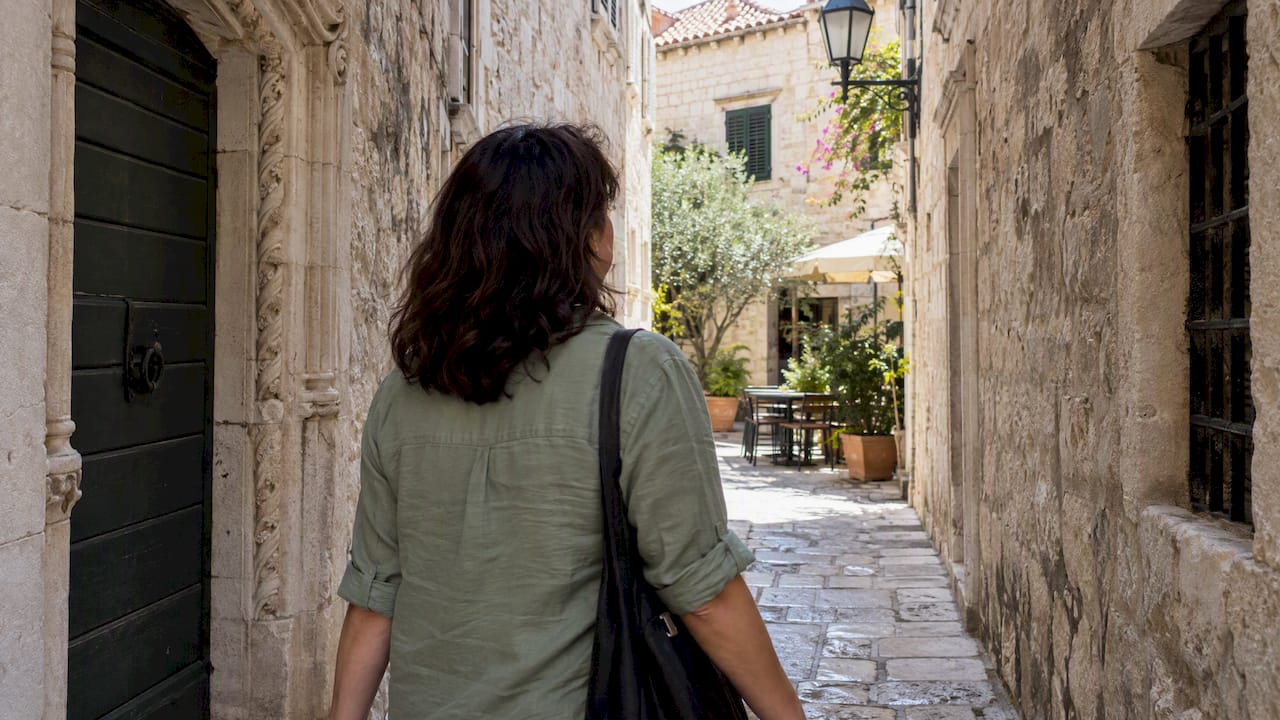
| Accessibility | Stroller-friendly, shaded rest areas | Cobblestone-only routes, no elevator access |
| Activity type | Interactive, visual, hands-on | Lecture-heavy, adult-focused content |
| Flexibility | Optional add-ons, free time windows | Rigid minute-by-minute schedules |
| Food and rest | Snack breaks, kid-menu options | Fixed adult dining only |
City walking tours, food tours, and adventure excursions each serve different family profiles. A city walking tour suits families with older children who can sustain two hours of movement. A food tour works well for curious families across a wide age range, since eating is universally motivating. Adventure excursions like kayaking or cycling tours are best reserved for families where the youngest member is physically capable and genuinely interested.
Pro Tip: Before booking, call or email the operator and ask one specific question: “How does the tour handle it if our youngest child needs to stop early?” The quality of that answer tells you everything about how family-friendly the tour actually is.
How to maximize enjoyment and safety on a family tour
Preparation before the tour begins determines how much the family enjoys it. The following steps consistently produce better outcomes for families across all age groups:
- Involve children in the planning. Let each child choose one activity or destination from the itinerary. Ownership of even one choice increases engagement across the entire trip.
- Pack a dedicated comfort bag. Include snacks, a small toy or book, a portable charger, and a light layer for air-conditioned vehicles. This bag handles 80% of in-transit complaints before they start.
- Match the tour to your youngest traveler. If the youngest child struggles with long segments, the entire group feels it. Choose a tour rated for an age group one year younger than your youngest child to build in a comfortable margin.
- Schedule a rest day mid-trip. A full day with no structured activities, especially on trips longer than five days, prevents the burnout that turns a good trip into a difficult memory.
- Set clear expectations with older children. Teens who know the plan in advance, including the free time windows, are far more cooperative than those who feel managed.
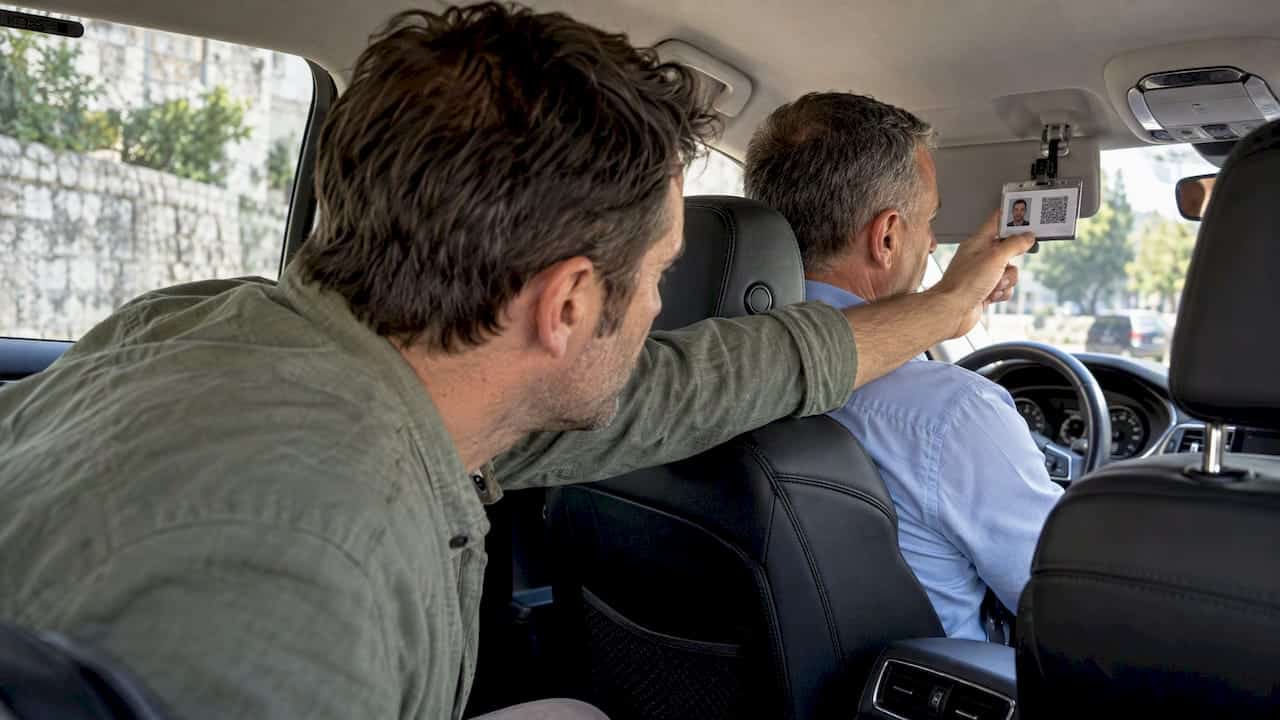
- Confirm safety protocols with the operator. Ask about child supervision ratios, emergency procedures, and whether guides carry first aid kits. Reputable operators answer these questions without hesitation.
For families considering private tours for kids, the safety conversation is simpler because the entire vehicle and itinerary belongs to your family alone. There are no other group members to accommodate, and the guide’s full attention stays on your children.
Key takeaways
A family-friendly tour succeeds when its operational details, not its marketing claims, match the actual needs of every traveler in the group.
| Point | Details |
|---|---|
| Definition matters | A family-friendly tour is defined by age-fit activities, paced itineraries, and bundled logistics, not just a label. |
| Age-specific design | Tours should address toddler accessibility, elementary engagement, teen independence, and multigenerational pacing separately. |
| Two-hour rule | Limit active engagement segments to two hours for children under ten to maintain energy and mood. |
| Operational checklist | Verify restroom access, snack breaks, transit style, and flexibility before booking, not after. |
| Private tours add control | Private family tours remove group dynamics and let the itinerary center entirely on your family’s pace and interests. |
What i have learned about choosing the right family tour
After years of arranging private family travel across Croatia and the Adriatic coast, one pattern stands out clearly. Families who arrive disappointed almost always chose a tour based on its headline description. Families who arrive delighted almost always asked the right operational questions before they booked.
The word “family-friendly” has become a marketing default. It appears on tours that are genuinely thoughtful and on tours that simply allow children to attend. The difference shows up in the details: whether the guide slows down when a child falls behind, whether the vehicle has enough space for a stroller, whether there is a real plan for the moment a four-year-old hits a wall at 3 p.m.
The most common misconception I encounter is that a shorter tour automatically means an easier tour. A poorly paced three-hour tour with no breaks is harder on a family than a well-structured full-day experience with two rest stops and a picnic lunch. Structure and flexibility together create the experience families are actually looking for. Neither one alone is enough.
My honest advice: treat the itinerary as a draft, not a contract. The best family tour operators, whether running group packages or private tours in Croatia, build in room to adapt. That adaptability is the single most valuable feature a family tour can offer.
— Croatia
Plan your family’s next tour with Croatia-private-transfers
Families who want the structure of a guided tour without the compromises of a group experience find that private travel changes everything. Croatia-private-transfers designs every itinerary around your family’s specific ages, interests, and pace, from the moment you land to the final transfer home.
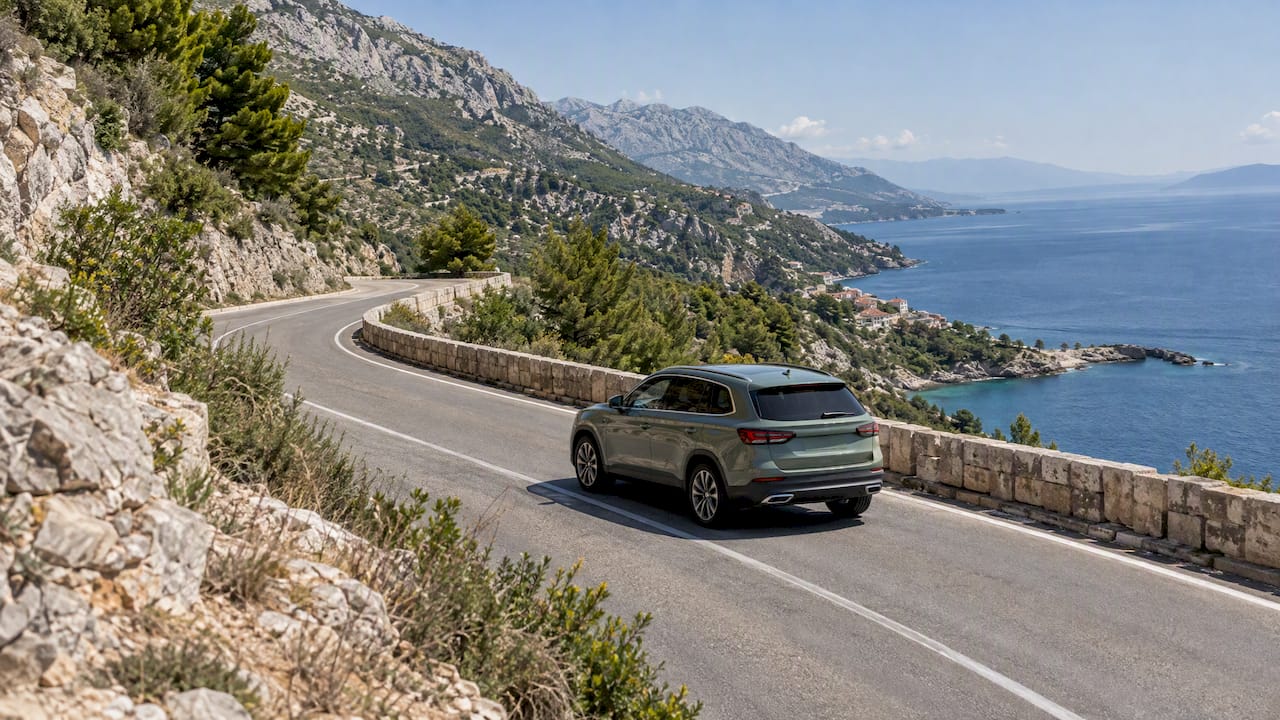
Whether you are exploring the fairy-tale landscapes of Plitvice Lakes with a toddler in a stroller or introducing teenagers to the layers of history along the Dalmatian coast, Croatia-private-transfers handles every logistical detail. Modern, air-conditioned Mercedes vehicles, English-speaking expert guides, and fully flexible scheduling mean the tour works for your family, not the other way around. Explore private transfers across Croatia or browse bespoke private tour options to start building your family’s ideal itinerary today.
FAQ
What is a family-friendly tour in simple terms?
A family-friendly tour is a guided travel experience designed to accommodate children and adults of different ages, with pacing, activities, and logistics suited to the whole family. It typically includes bundled transportation, age-appropriate activities, and built-in rest breaks.
How long should a family tour segment last for young children?
Two hours is the common sweet spot for children under ten before engagement drops. Tours with built-in breaks every two hours deliver noticeably better experiences for families with younger kids.
Are guided family tours better than self-planned family trips?
Guided family tours reduce decision fatigue and handle logistics like tickets, transport, and accommodation, making them ideal for multi-stop trips. Self-planned trips offer more flexibility but require significantly more parental coordination.
What should i check before booking a family-friendly tour?
Verify restroom access, snack break frequency, transit style, stroller accessibility, and how the operator handles delays or early stops. Operational details like these are more reliable indicators of quality than broad marketing claims.
What is the difference between a group family tour and a private family tour?
A group family tour places your family alongside other families in a shared itinerary, while a private family tour dedicates the vehicle, guide, and schedule entirely to your group. Private tours offer greater flexibility and allow the pace to match your youngest traveler without compromise.