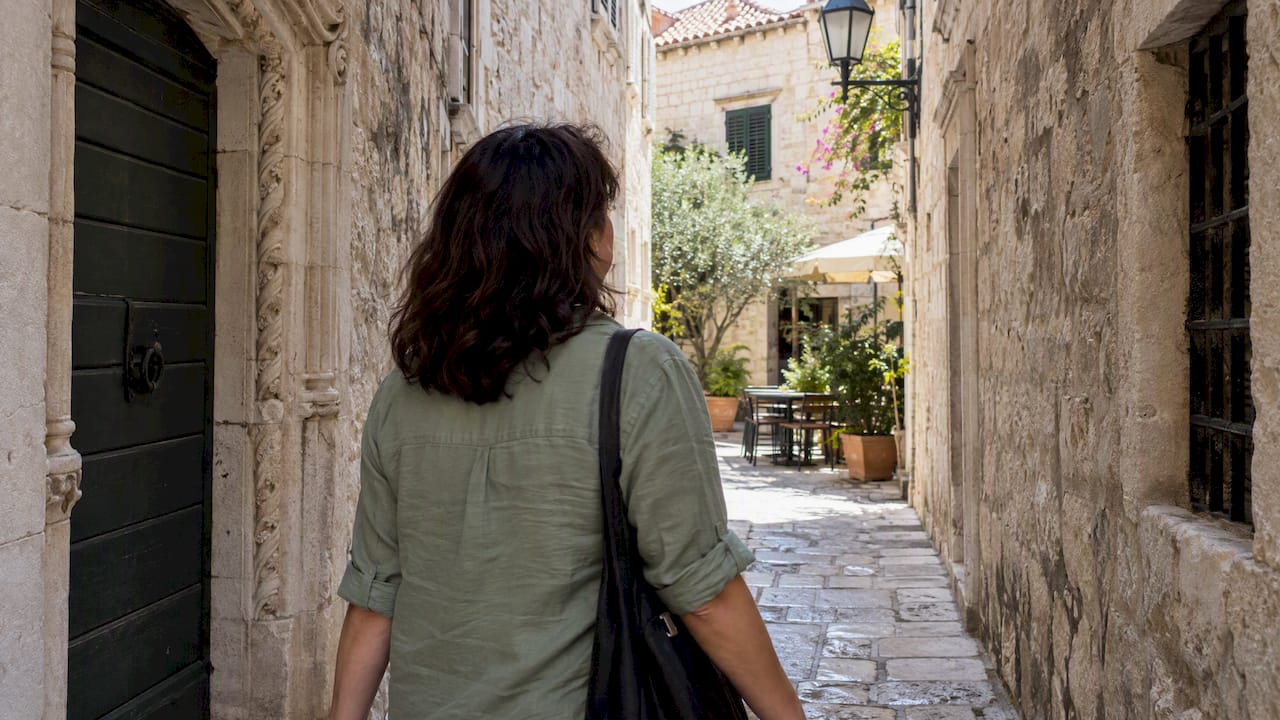


Cultural Tourism: What It Means and Why It Matters
Cultural tourism is travel undertaken primarily to learn about, experience, and take part in a destination’s cultural life, whether that means its museums and monuments or its living traditions of food, craft, and celebration. The UNWTO defines it as journeys motivated by the desire to discover and consume a place’s tangible and intangible cultural products, and that definition now covers a remarkably wide range of experiences.
The category includes:
- Tangible assets: historic architecture, archaeological sites, museum collections, and UNESCO-listed monuments.
- Intangible heritage: festivals, oral traditions, culinary customs, craft techniques, and religious or communal rituals.
- Typical activities: guided heritage walks, cooking classes with local families, artisan workshops, and attendance at seasonal festivals.
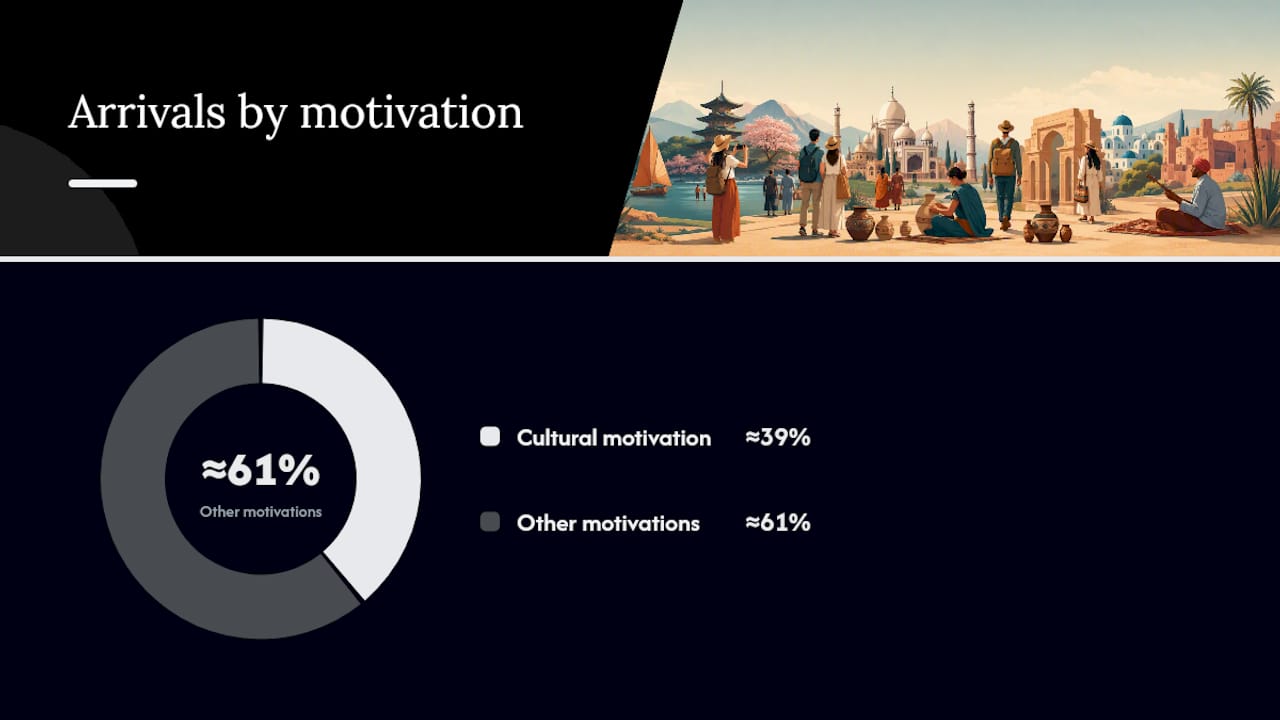
Core idea: cultural tourism works because it turns curiosity into income for the people who keep traditions alive. It funds preservation, gives artisans and guides a livelihood, and gives travelers something a beach vacation rarely does: a genuine education. A 2018 academic review found that cultural tourism accounts for roughly 39% of all tourism arrivals, which tells you this is not a niche interest. It is close to a defining feature of modern travel.
Key Takeaways
Cultural tourism succeeds when travel is motivated by genuine engagement with local heritage, and it produces the strongest outcomes when local communities directly capture the economic benefits.
| Point | Details |
|---|---|
| Definition centers on motivation | Cultural tourism means traveling primarily to learn, experience, or consume a destination’s tangible and intangible cultural products. |
| Economic and preservation benefits are real | Cultural tourists spend more and stay longer, and heritage that generates income is more likely to be conserved. |
| Overtourism and commodification are the top risks | Unmanaged cultural tourism can wear down fragile sites and strip authenticity from local traditions. |
| Local operators produce better outcomes | Choosing community-led guides and businesses ensures revenue reaches the people preserving the culture. |
| Flexibility improves engagement | Private, unrushed itineraries allow travelers to fully participate in time-sensitive cultural events. |
Table of Contents
- What Is Cultural Tourism, Exactly?
- How Did Cultural Tourism Begin and Evolve?
- What Are the Main Types of Cultural Tourism?
- What Are Some Real Examples of Cultural Attractions?
- What Are the Benefits of Cultural Tourism?
- What Are the Downsides and Risks of Cultural Tourism?
- How Can Travel Be More Sustainable and Respectful?
- How Do You Plan a Meaningful Cultural Trip?
- What Trends Are Shaping Cultural Tourism Now?
- Why Private Guides and Flexible Transport Change the Experience
- Where Can You Learn More About Cultural Tourism?
- Frequently Asked Questions
- Sources
What Is Cultural Tourism, Exactly?
The term gets used loosely, so it helps to pin down what separates cultural tourism from a general sightseeing trip. The distinguishing factor is motivation. Someone who visits a coastal town and happens to walk past an old cathedral is a tourist. Someone who plans that same trip around a saint’s day festival, books a stonemason’s workshop, or seeks out a family-run konoba to understand regional cooking is engaging in cultural tourism, because the culture itself is the reason for the trip.
This matters for planning because it reframes what counts as a worthwhile stop. A museum with a strong permanent collection qualifies. So does a weekly farmers market where a fourth-generation cheesemaker sells product made with a decades-old recipe. The Swiss Hotel Management School frames this well, describing genuine cultural tourism as connecting to “the story behind the tradition” rather than just photographing the surface of it. That distinction is why local guides, small-group formats, and flexible schedules tend to produce better experiences than a fixed coach tour that allots forty minutes per stop.
How Did Cultural Tourism Begin and Evolve?
The roots go back further than most travelers assume. In the 17th and 18th centuries, wealthy young Europeans undertook the Grand Tour, an extended journey through France, Italy, and sometimes Greece meant to expose them to classical art, architecture, and language. It was cultural tourism in its earliest recognizable form, though only the aristocracy could afford it, and the goal was as much social polish as genuine curiosity.
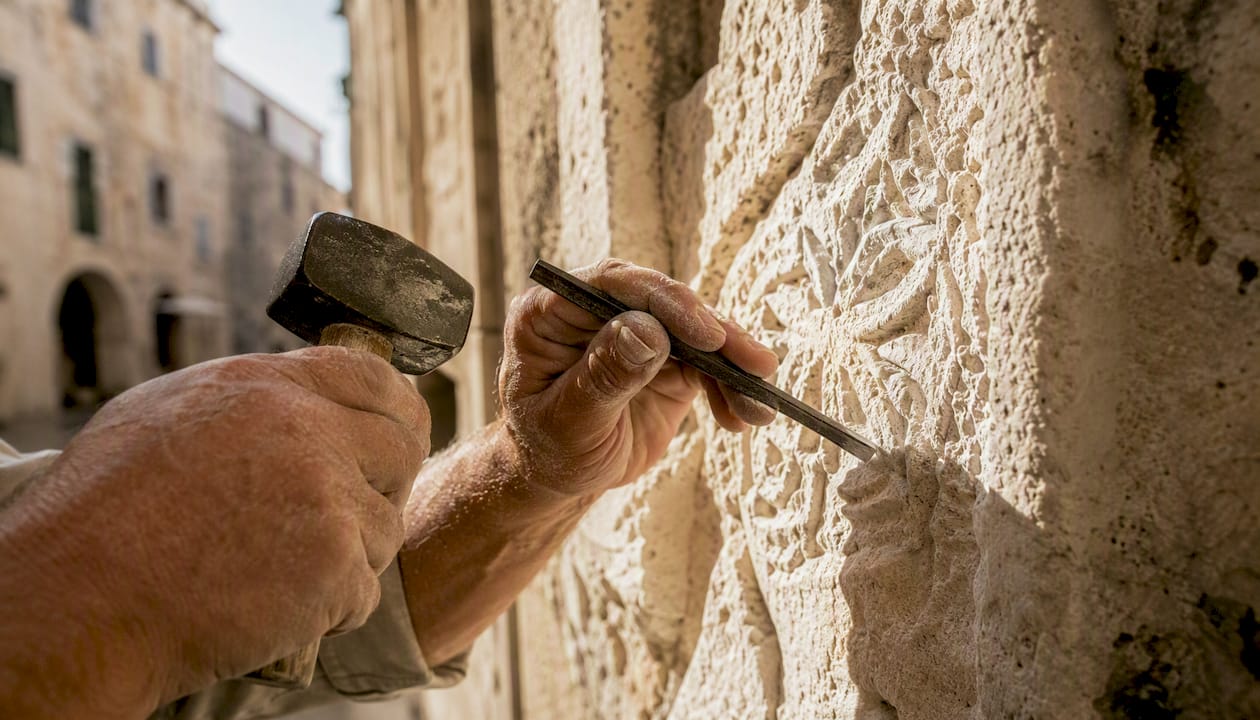
The 19th and 20th centuries broadened access considerably. Railways, then commercial air travel, put historic capitals and archaeological sites within reach of the middle class, and national governments began formally protecting monuments and founding public museums specifically to receive visitors. By the late 20th century, the definition had started shifting again. Travelers grew less satisfied with roped-off exhibits and started seeking direct participation, a change scholars now describe as the move toward experience-led and creative tourism. That shift toward intangible heritage and experience-based travel is where the UNWTO’s modern definition, and most current academic research, picks up the story.
What Are the Main Types of Cultural Tourism?
Cultural tourism splits into overlapping subcategories, and knowing the difference helps you plan a trip that actually matches your interests rather than a vague notion of “seeing the culture.”
- Heritage tourism: visits centered on historic sites, monuments, and archaeological ruins, often tied to UNESCO recognition or national protection status.
- Arts tourism: travel built around galleries, opera houses, theater festivals, and public art.
- Creative tourism: hands-on participation, such as pottery, weaving, or cooking classes taught by working artisans rather than performers.
- Culinary tourism: food and wine as the organizing theme, from vineyard tours to street food crawls.
- Urban and rural cultural tourism: city-based experiences like architectural walking tours versus countryside traditions like harvest festivals or village crafts.
- Indigenous tourism: travel centered on the living traditions, land, and knowledge of indigenous communities, ideally led by those communities themselves.
- Popular culture tourism: film locations, music heritage trails, and sites tied to contemporary media.
These categories blur constantly, and that overlap is normal rather than a flaw in the framework. A cooking class held in a centuries-old farmhouse is simultaneously culinary, creative, and heritage tourism. The overlap with heritage tourism and experiential tourism specifically matters when you’re evaluating a tour operator’s marketing. A company advertising “heritage tourism” is usually promising access to protected sites and historical context. One advertising “experiential” travel is promising participation. Knowing which one you actually want prevents booking a bus tour when what you wanted was a hands-on afternoon in an artisan’s workshop.
What Are Some Real Examples of Cultural Attractions?
Cultural attractions cover far more ground than the postcard version of a museum or monument suggests. A comprehensive look at the sector, documented on Wikipedia’s cultural tourism overview, spans everything from grand architecture to remote indigenous regions. The common experiences travelers seek out include:
- Museum and gallery visits, ranging from major national collections to single-artisan workshops.
- Architectural and archaeological sites, from cathedral complexes to ancient ruins.
- Festivals and religious or seasonal events, such as harvest celebrations or saints’ day processions.
- Culinary experiences, including wine routes, cooking classes, and regional food trails.
- Craft workshops where visitors learn a trade directly from a practicing artisan.
- Living-culture visits to communities that maintain traditional practices as part of daily life, not performance.
Institutions play a real role in helping travelers sort credible experiences from marketing dressed up as culture. The UNESCO World Heritage List is the most recognizable trust signal, but national heritage registers and accredited museum networks matter just as much for lesser-known sites. It’s worth being clear about what these designations do and don’t guarantee. A UNESCO listing confirms historical or ecological significance and usually means better-funded conservation, but it says nothing about crowd levels, ticket prices, or whether the surrounding businesses treat visitors, or the local community, well. Accreditation is a starting point for research, not a substitute for it.
What Are the Benefits of Cultural Tourism?
The benefits split cleanly between what destinations gain and what travelers get in return, and both sides of that equation are well documented.
For destinations, cultural tourism functions as a genuine economic engine. It creates a financial incentive to conserve historic buildings and support living traditions, since a festival or a craft that draws visitors is a festival or craft worth funding. Research from IEREK on the economic effects of cultural tourism points to this exact dynamic: heritage that pays for itself tends to survive, while heritage with no visible economic value is far more vulnerable to neglect or demolition. It also supports jobs beyond the obvious hospitality roles, reaching artisans, performers, and small producers who might otherwise have no market for their work.
For travelers, the return is less tangible but no less real. Deep engagement with another culture builds empathy and understanding in a way that a resort stay rarely does, and Americans for the Arts has documented that cultural tourists also tend to spend more and stay longer than average visitors, a pattern that benefits local businesses well beyond the main attraction itself.
| Metric | Figure | Source |
|---|---|---|
| Share of global tourism arrivals tied to cultural motivation | About 39% | Journal of Hospitality and Tourism Management, 2018 |
| Florida visitors participating in at least one cultural activity | A significant share of the state’s large annual visitors | Florida Division of Arts and Culture |
| Visitor spending and length of stay | Cultural tourists spend more and stay longer than average | Americans for the Arts |
None of this happens automatically, though. The benefits depend heavily on who actually captures the revenue. A festival that funnels ticket income into a foreign-owned hotel chain preserves very little for the community that created the tradition in the first place. The best outcomes happen when local operators, family businesses, and community organizations get a direct share of what visitors spend, which is one reason booking with small, local providers tends to produce both a better experience and a fairer outcome.
What Are the Downsides and Risks of Cultural Tourism?
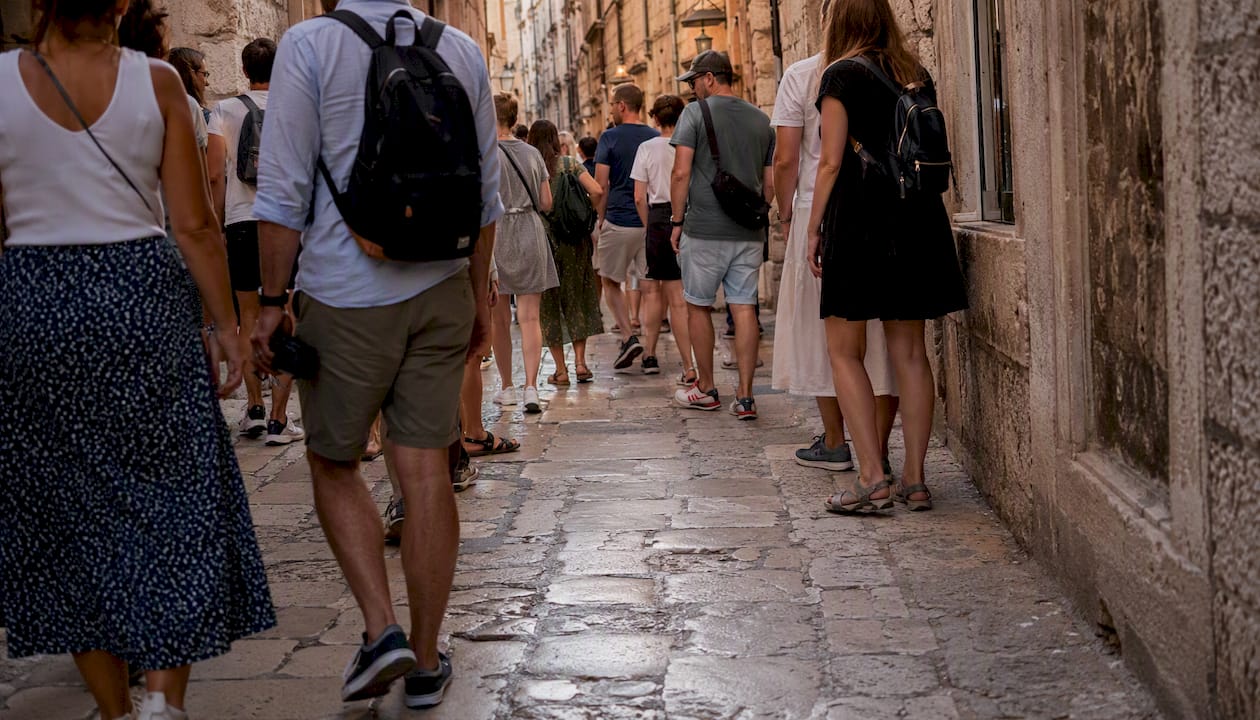
Cultural tourism carries real risks when it’s poorly managed, and pretending otherwise would do readers a disservice. Overtourism is the most visible problem: sites with fragile stone, delicate ecosystems, or narrow medieval streets simply were not built for tens of thousands of daily visitors, and heavy foot traffic accelerates physical wear that took centuries to happen otherwise.
Commodification is a subtler risk. When a sacred ritual gets rescheduled to fit a tour bus timetable, or a craft tradition gets simplified into a ten-minute souvenir demonstration, the culture on display starts to drift from the culture actually practiced by the community. Cultural appropriation shows up when outside businesses profit from traditional imagery, dress, or ceremonies without any benefit flowing back to the originating community. And inequality in who benefits is common: large international operators frequently capture more revenue from a heritage site than the local families and artisans whose traditions draw the crowd in the first place. Environmental harm rounds out the list, particularly at sites with limited water, waste infrastructure, or fragile natural surroundings.
Pro Tip: Before booking, ask a tour operator two direct questions: “Who owns this business, and does any revenue go directly to the local community or artisans involved?” An operator that can’t answer clearly, or one that treats the question as strange, is a signal to look elsewhere.
How Can Travel Be More Sustainable and Respectful?
Responsible cultural tourism is a shared job between destinations and travelers, and both sides have concrete levers to pull.
Travelers can make a real difference with a short set of habits: research local customs and etiquette before arriving, hire local guides instead of defaulting to large international operators, prioritize community-led activities over mass-market versions of the same experience, buy handmade goods directly from the artisans who made them, and treat rituals and sacred spaces with the same privacy you’d want extended to your own traditions.
Destinations have their own set of tools, and the strongest ones tend to combine several at once:
- Visitor caps at fragile or high-traffic sites to limit physical wear.
- Revenue-sharing agreements that route a defined percentage of ticket or tour income back to local communities.
- Interpretation programs that give context rather than just access, so visitors understand what they’re seeing.
- Dedicated conservation funding tied directly to entrance fees or tourism taxes.
- Cultural sensitivity training for hospitality staff and guides working at sensitive or sacred sites.
Pro Tip: A genuinely authentic local product usually shows small imperfections and variation piece to piece, since it was made by hand. Mass-produced souvenirs are nearly identical to one another, often stamped with a country name rather than a specific regional motif, and are frequently sold at multiple unrelated locations across a country. If you see the exact same item in five different gift shops, it wasn’t made by the person selling it to you.
How Do You Plan a Meaningful Cultural Trip?
Planning cultural tourism well takes more forethought than booking a standard package tour, but the sequence is straightforward.
- Define your interests first. Decide whether you’re drawn to heritage sites, culinary traditions, craft workshops, or festivals, since that shapes everything else about the itinerary.
- Check event calendars early. Many of the richest cultural experiences, from religious processions to harvest festivals, happen on fixed dates, so timing your trip around them takes advance planning.
- Choose community-led operators. Look for guides and companies with visible local ownership rather than large chains offering identical itineraries across multiple countries.
- Book with flexibility built in. Cultural events run on their own schedules, and flexible private transport lets you linger at a site or festival without being rushed back to a coach on a fixed timetable.
- Prepare culturally before you arrive. Learn a handful of local phrases, review appropriate dress for religious or traditional sites, and understand basic etiquette around photography and gift-giving.
A few etiquette basics apply almost everywhere: ask permission before photographing people, especially at religious ceremonies, dress modestly at sacred sites regardless of the outside temperature, and never touch artifacts or ritual objects without explicit invitation. Custom itinerary planning also matters more than people expect here, since a rigid group schedule rarely accommodates the unpredictable timing of a genuine local festival or a craft demonstration that runs long.
Pro Tip: The most reliable way to find a genuine community-led guide is to ask a small, independently owned guesthouse or restaurant for a personal recommendation rather than searching generic tour listings. Family-run businesses usually know exactly which guides in their area actually come from the community they’re showing you, and which ones are simply hired contractors.
What Trends Are Shaping Cultural Tourism Now?
Several shifts are changing what cultural tourism looks like heading into 2026, and they’re worth understanding before you book anything.
- Digital and augmented-reality interpretation now lets visitors point a phone at a ruin and see a historical reconstruction overlaid in real time, adding context that a printed placard never could.
- The shift toward intangible heritage continues to accelerate, with travelers increasingly drawn to living traditions like craft workshops and community events rather than static exhibits behind glass.
- Small-group and curated experiences are replacing large coach tours, a change tour operators increasingly point to as producing deeper engagement and less strain on fragile sites.
- Indigenous-led tourism is gaining ground, with more communities directly operating the tours, workshops, and homestays built around their own traditions rather than licensing that role to outside companies.
For travelers, these trends mean more meaningful access but also more competition for a limited number of small-group spots, so booking further ahead and building flexibility into travel plans matters more than it once did.
Why Private Guides and Flexible Transport Change the Experience
Cultural itineraries rarely follow a clean, predictable schedule. A festival procession runs late, a family-run workshop wants to show you one more technique, or a small museum turns out to deserve twice the time you budgeted. What separates a forgettable cultural stop from a genuinely memorable one is often less about the destination and more about whether you had the freedom to stay.
That’s the case for private, small-group cultural tours over fixed-schedule group packages. When transport isn’t dictating your day, you can accept an artisan’s invitation to linger, adjust plans around a festival’s actual timing rather than a printed brochure, and prioritize the local guides who know a region’s traditions firsthand rather than a rotating roster of contracted drivers. If you’re planning cultural travel and want the flexibility to actually follow where the culture leads, a private transfer service built around your itinerary, rather than a bus timetable, tends to produce a far better outcome. Consider prioritizing certified local guides and small-group formats over standard packages when you book your next trip.
Where Can You Learn More About Cultural Tourism?
- UNWTO’s definition of cultural tourism: the authoritative international framework defining motivation-based cultural travel.
- Journal of Hospitality and Tourism Management, 2018 review: academic analysis of arrival share and the shift toward intangible heritage.
- Swiss Hotel Management School overview: industry perspective on authenticity, local guides, and meaningful engagement.
- Florida Division of Arts and Culture toolkit: real-world participation data and destination-level planning guidance.
- Americans for the Arts research: economic data on visitor spending tied to cultural activity.
- Wikipedia’s cultural tourism overview: a broad inventory of experience types and subcategories.
- IEREK’s economic benefits analysis: research connecting tourism revenue to heritage conservation incentives.
Frequently Asked Questions
What is cultural tourism in simple terms?
Cultural tourism is travel undertaken mainly to experience a place’s history, traditions, arts, or way of life, whether through a museum, a festival, or a meal cooked by a local family.
How does cultural tourism differ from heritage tourism?
Heritage tourism focuses specifically on historic sites and monuments, while cultural tourism is broader and includes living traditions, food, festivals, and creative participation alongside heritage sites.
What are some common cultural tourism activities?
Museum visits, festival attendance, craft workshops, culinary tours, and guided walks through historic districts all count as cultural tourism activities.
Why is cultural tourism important for local communities?
It creates income streams that fund heritage preservation and support artisans, guides, and small businesses that might otherwise struggle to sustain traditional practices.
What’s the best way to find authentic cultural experiences?
Book with small, locally owned operators and ask directly whether revenue benefits the community, since transparent answers are usually a sign of a genuine, community-led experience.
Sources
- UNWTO (definition of cultural tourism)
- Cultural tourism: A review of recent research and trends (Journal of Hospitality and Tourism Management, 2018)
- What Is Cultural Tourism? Benefits and Examples (Swiss Hotel Management School)
- What Is Cultural Tourism? – Basic Information (Florida Division of Arts and Culture)
- Cultural Tourism: Attracting Visitors and Their Spending (Americans for the Arts)