
Top cultural experiences in Croatia for luxury travelers
TL;DR:
- Authentic luxury experiences in Croatia focus on privacy, deep local connections, and meaningful personalization.
- Secluded islands like Lopud and historic towns like Korčula offer exclusive, expert-led cultural encounters away from crowds.
- Planning six months in advance and visiting during shoulder seasons ensures access to the most personalized and authentic experiences.
Croatia has quietly risen to the top of the luxury traveler’s wish list, and for good reason. Few destinations manage to weave medieval architecture, extraordinary gastronomy, and breathtaking natural landscapes into such a seamless, curated whole. Yet for discerning visitors, the real challenge isn’t finding something to do in Croatia — it’s finding the right experiences. The ones that feel personal, unhurried, and genuinely connected to local culture rather than scripted for the masses. This guide cuts through the noise to spotlight the cultural encounters that truly reward those who value depth, authenticity, and elegance.
Table of Contents
- How to select authentic luxury cultural experiences
- Historic towns and private island retreats: Korčula & Lopud
- Taste Croatia: Gastronomic heritage through private tours and events
- Urban culture redefined: Zagreb’s private art and heritage circuit
- When and how to book: Insider planning tips for luxury culture seekers
- Why personalization beats popularity in Croatian luxury culture
- Discover Croatia’s exclusive culture with bespoke travel services
- Frequently asked questions
Key Takeaways
| Point | Details |
|---|---|
| Prioritize privacy | The most memorable Croatian cultural experiences are private, expert-led, and crowd-free. |
| Book early, visit off-peak | Shoulder seasons and advanced planning secure the best access to exclusive venues and events. |
| Curate your journey | Combining heritage, gastronomy, and local arts results in a deeply immersive and personal trip. |
| Go beyond tourist lists | Seek unique locations like Lopud or Korčula with historian guides for enriched understanding. |
How to select authentic luxury cultural experiences
Not every experience marketed as “exclusive” genuinely earns that label. For a cultural encounter to qualify as truly luxurious, it needs to satisfy a few essential criteria — and understanding them will save you from polished disappointments.
Authentic luxury cultural experiences rest on three pillars: privacy, deep local connection, and meaningful personalization. A private tour led by a specialist who has spent decades studying Venetian Gothic architecture in Split is a fundamentally different experience from a group visit narrated by someone reading from a script. The difference isn’t always visible in the brochure, but you feel it within minutes.
Luxury cultural experiences prioritize private, expert-led tours over mass tourism for personalization, avoiding peak crowds via shoulder seasons. Visiting in April, May, September, or October means you’ll find cooler temperatures, shorter lines, and hosts who have more time and energy for your specific questions.
When evaluating any experience, look for these qualities:
- Private or semi-private format: Groups of eight or fewer allow for genuine dialogue and spontaneous detours
- Expert credentials: Look for licensed art historians, certified sommeliers, or heritage specialists
- Flexibility: Can the itinerary shift based on your interests mid-tour? That’s a strong sign of true personalization
- Cultural breadth: The finest experiences weave heritage, arts, gastronomy, and living tradition together
- Exclusive access: After-hours museum visits or private cellar tastings unavailable to regular guests
Exploring the full range of Croatia tour types for luxury travelers helps you match your interests to the right format, whether that’s an art-focused walking circuit or a bespoke tour in Croatia designed entirely around your tastes.
Pro Tip: Before booking, ask the operator if they can connect you with a local historian, museum curator, or regional food producer. That single question will reveal a great deal about how seriously they take personalization.
Historic towns and private island retreats: Korčula & Lopud
With clear criteria in mind, let’s explore Croatia’s most compelling historic locales for exclusive experiences.
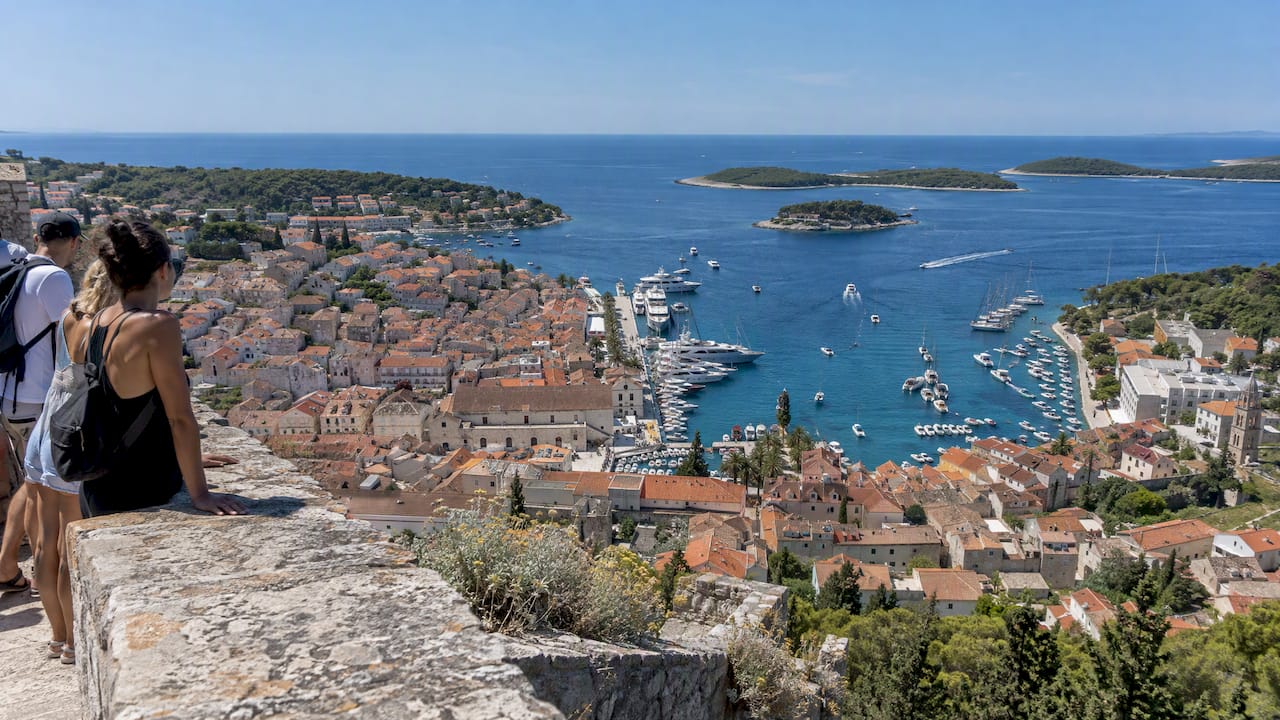
Few destinations in Croatia reward the thoughtful traveler quite like Korčula and Lopud. Both carry centuries of layered history, yet neither has surrendered to the kind of mass tourism that flattens a place’s character.
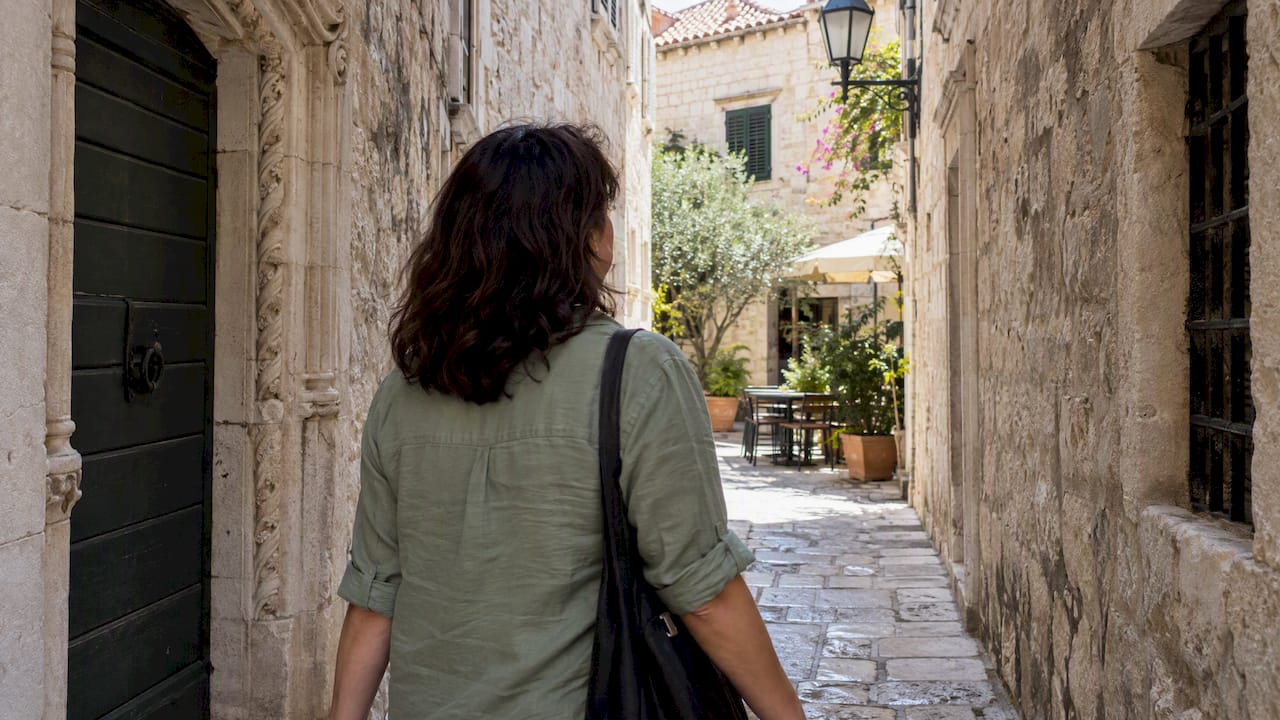
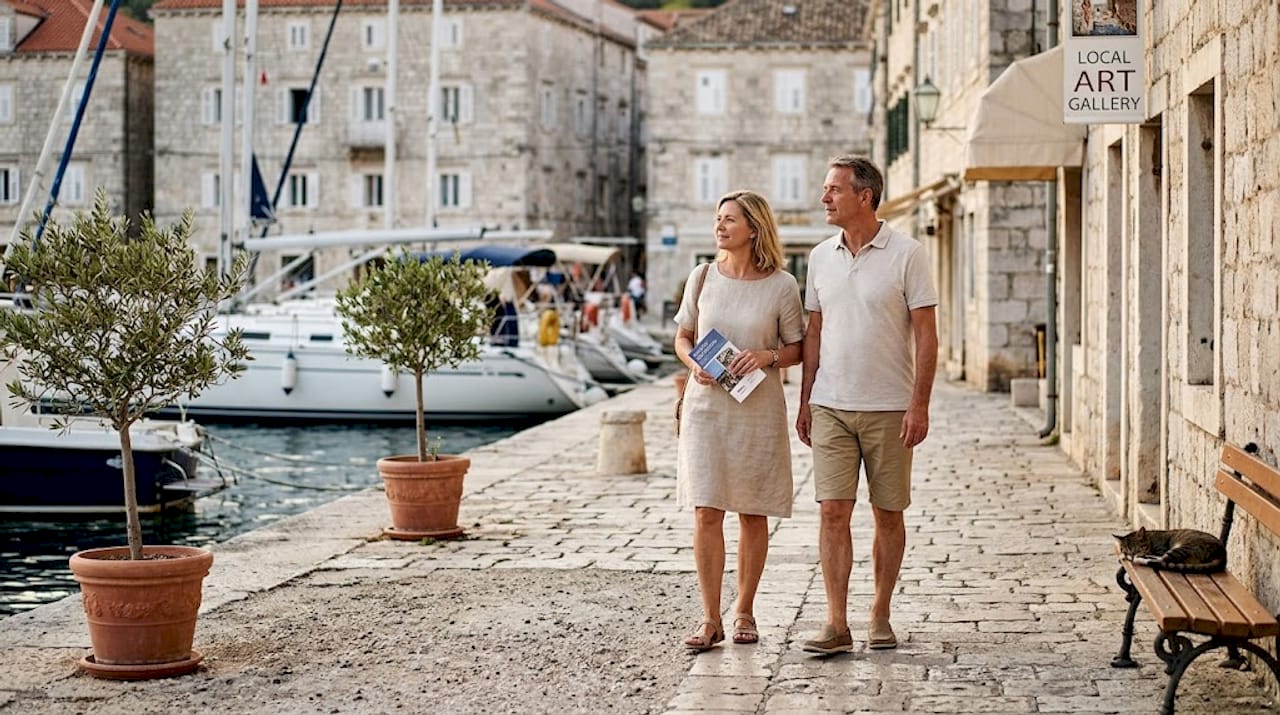
Korčula’s medieval old town is a stone-paved gem on the Dalmatian Coast. Private tours here unlock St. Mark’s Cathedral with its remarkable Tintoretto artwork, the Marco Polo House, and the ethnographic collections in rural Blato — all without the shoulder-to-shoulder crowds of peak season. A private guide adds critical context: Korčula’s street layout was intentionally designed with herringbone curves to deflect Adriatic winds, a detail that suddenly makes every narrow alley feel intentional rather than accidental.
Lopud offers something rarer still: silence. The island is car-free, giving it an atmosphere of contemplative calm that is genuinely hard to find anywhere on the Croatian coast. The restored 15th-century monastery known as Lopud 1483 provides art collections, guided historian tours, sacred gardens, and bespoke farm-to-table cuisine for guests seeking complete immersion.
“The best historic escapes don’t just show you the past — they let you inhabit it, quietly and fully, on your own terms.”
Key reasons these destinations excel for luxury cultural travelers:
- Korčula: Rich Venetian and Roman architectural layers, Marco Polo heritage, Moreška sword dance performances (a living cultural tradition)
- Lopud 1483: Art-filled monastery setting, curated gardens, farm-to-table menus, virtually no tourist foot traffic
- Both: Car-free or low-traffic environments that prioritize atmosphere over accessibility
For those interested in how sustainability intersects with comfort, sustainable luxury villas and luxury group island stays are increasingly available across the Dalmatian archipelago.
Pro Tip: Book a local historian in Korčula at least two months ahead. The most knowledgeable guides fill quickly, especially during late spring and early fall.
Taste Croatia: Gastronomic heritage through private tours and events
History isn’t Croatia’s only cultural treasure — its culinary landscape offers equally unforgettable luxury.
Croatian gastronomy is a living archive of the country’s layered past. It blends Mediterranean freshness with Central European richness in ways that are hard to replicate anywhere else. A well-arranged private food experience does more than satisfy your palate: it teaches you how a region was shaped by trade routes, climate, and centuries of cultural exchange.
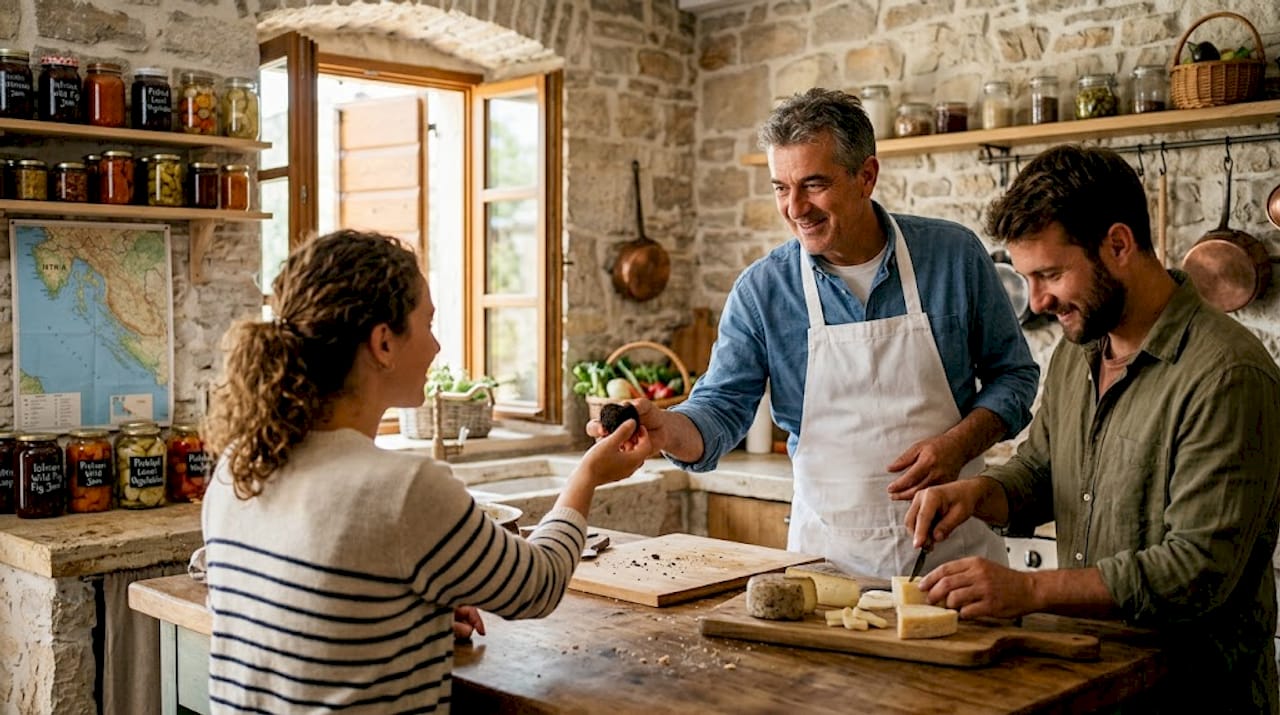
Istrian truffle hunts, prosciutto tours in Drniš, oyster tastings on Pelješac, and wine tastings are among the signature private luxury gastronomic experiences Croatia offers. Many of these take place at Michelin-recommended venues, adding a layer of culinary prestige to the cultural depth.
| Experience | Region | Exclusivity level | Best season |
|---|---|---|---|
| Truffle hunting with a local guide | Istria | High (private bookings only) | Oct–Dec |
| Prosciutto cellar tour | Drniš, Dalmatia | Medium (small group) | Year-round |
| Oyster tasting on the water | Pelješac Peninsula | High (boat-based, private) | Apr–Oct |
| Wine tasting at a family estate | Dalmatia / Istria | High (appointment-based) | May–Oct |
Booking tips for private food-and-wine experiences:
- Book directly with producers where possible — family-run estates often offer access that tour aggregators cannot
- Request a private format even when the default is small-group; most operators will accommodate for a modest premium
- Pair with transport: arranging culinary day trips in Croatia through a single provider simplifies logistics significantly
- Ask about seasonal specialties: truffles peak in autumn, oysters are at their finest in cooler months, and wine harvest events occur in September
Urban culture redefined: Zagreb’s private art and heritage circuit
Beyond coastal heritage and gastronomy, Croatia’s urban heart offers its own treasures.
Zagreb is the kind of city that rewards slow, attentive exploration. Its Upper Town (Gornji Grad) is a compact world of Baroque architecture, cobblestone lanes, and institutions that punch well above their weight in terms of cultural significance.
A curated private circuit might look like this:
- St. Mark’s Church: The roof’s iconic mosaic coat of arms is one of the most photographed details in Croatia, but a private guide reveals the political and religious history embedded in every tile
- Museum of Broken Relationships: This internationally acclaimed museum is far more than a quirky concept. Its rotating collection of donated objects and stories cuts to the heart of human connection in ways that leave lasting impressions
- Mimara Museum: Zagreb’s Mimara collection spans global art history, from ancient Egyptian artifacts to Flemish masters, making it one of the most intellectually stimulating private tour stops in the country
A notable figure underlines Zagreb’s dining credentials: there are 92 Michelin-guide restaurants nationally, and a meaningful share are concentrated in Zagreb — elevating a curator-led museum morning into a full cultural day when paired with an exceptional dinner.
Private access and behind-the-scenes arrangements can be organized through expert operators. Discovering Zagreb on a tailored private itinerary ensures you spend your time on what genuinely moves you, not on navigating crowds at peak hours.
When and how to book: Insider planning tips for luxury culture seekers
After discovering what to do and where to go, it’s crucial to know how to plan for flawless execution.
Timing separates a good cultural trip from a truly exceptional one. Croatia’s most-visited sites like Plitvice Lakes draw enormous volumes — over 16,000 Tripadvisor reviews signal just how trafficked they can become — making early-morning or off-peak visits essential for any private, contemplative experience. The shoulder season strategy remains the single most effective tool for accessing exclusivity.
| Experience | Ideal booking season | Recommended lead time |
|---|---|---|
| Plitvice Lakes private tour | Apr–May, Sep–Oct | 3–4 months ahead |
| Korčula private walking tour | May, Sep | 2–3 months ahead |
| Lopud 1483 monastery stay | Jun–Sep | 5–6 months ahead |
| Istrian truffle hunt | Oct–Dec | 2 months ahead |
| Zagreb museum private access | Year-round | 4–6 weeks ahead |
Before you arrive, confirm the following:
- Private guide credentials and language proficiency
- Vehicle quality and comfort for longer transfers
- Flexibility clauses in the itinerary for weather or personal preference changes
- Reservation confirmations for restaurants, tastings, and museum access
Pro Tip: For the most in-demand experiences — Lopud 1483, harvest-season wine events, and Plitvice at dawn — book luxury transport early and secure your guides simultaneously. Doing so six months ahead is not excessive; it’s simply what the best experiences require.
Why personalization beats popularity in Croatian luxury culture
With practical tips established, let’s reflect on what actually elevates a Croatian cultural trip from good to unforgettable.
Here’s an honest observation from years of arranging premium travel across Croatia: the travelers who report the most meaningful trips are rarely the ones who checked off the most famous sites. They’re the ones who spent an afternoon with a winemaker whose family has farmed the same Pelješac hillside for four generations, or who walked Lopud’s quiet lanes with a historian and heard stories no guidebook has ever printed.
Popularity is not a reliable proxy for quality. Some of Croatia’s most celebrated destinations are genuinely spectacular — but only if experienced through the right lens. Without private access, expert context, and a format built around your curiosity, even the most storied places can feel flat.
Car-free islands like Lopud deliver something rare in modern travel: the sensation that time has slowed down in your favor. That quality cannot be manufactured with a premium hotel room. It comes from choosing true bespoke travel over curated popularity.
The invitation here is to build your Croatia — shaped by the art, food, history, and landscapes that genuinely resonate with you rather than the ones that appear most often on travel lists.
Discover Croatia’s exclusive culture with bespoke travel services
Ready to transform insight into action? Here’s how to access Croatia’s finest cultural experiences without compromise.
Planning a trip of this depth and detail requires more than a wish list — it requires a trusted partner who knows Croatia’s roads, relationships, and rhythms. Croatia Private Transfers & Tours offers bespoke travel services designed to remove every logistical barrier between you and the experiences described in this guide.
From arranging private transfers in Croatia in modern, air-conditioned Mercedes vehicles to coordinating curator-led museum visits, truffle hunt bookings, and monastery stays, the team handles every detail with care and expertise. Licensed, English-speaking specialists with deep local knowledge ensure your itinerary reflects your tastes, not a template. Reach out to begin planning your curated Croatian cultural journey.
Frequently asked questions
When is the best time for private cultural tours in Croatia?
The shoulder seasons of April–May and September–October offer ideal weather, fewer crowds, and more personalized service for luxury travelers. Avoiding peak season is the single most effective way to secure genuine exclusivity.
How far in advance should I book exclusive experiences in Croatia?
Booking private guides, historic stays, and top culinary events is best done six months in advance, especially for the most in-demand locations. Advanced planning is what separates seamless luxury from last-minute compromise.
What makes Lopud 1483 and Korčula uniquely suited to luxury cultural travelers?
Both offer car-free privacy, deep history, and curated experiences like monastery stays or private art tours, away from larger tourist crowds. The secluded Croatian setting of Lopud 1483 in particular makes it one of the most contemplative retreats available in the Mediterranean.
Are high-end gastronomic tours in Croatia child-friendly or suitable for groups?
Many luxury tasting tours are adaptable for families or groups, with private chefs and guides tailoring formats to the guests’ needs. Tailored group experiences can be arranged across Istria, Dalmatia, and Zagreb with advance notice.
Which regions of Croatia offer the richest blend of culture and luxury?
Istria, the Dalmatian Islands — including Korčula and Lopud — and Zagreb excel with world-class cuisine, preserved heritage, and highly customizable private tours. Each region brings a distinct character, from Istrian truffle culture to Zagreb’s museum circuit, making Croatia genuinely versatile for discerning travelers.