
The Role of Cultural Exploration in Tours
TL;DR:
- Cultural exploration in tours involves engaging actively with a destination’s traditions, history, and people to create meaningful experiences. Guides play essential roles as interpreters, mediators, facilitators, and co-creators to deepen travelers’ cultural understanding. Prioritizing slow, immersive, and participatory encounters fosters lasting emotional connections beyond superficial sightseeing.
Cultural exploration in tours is defined as the active process of engaging with a destination’s traditions, history, and living culture to create meaningful travel experiences that go far beyond sightseeing. This approach transforms a tour from a checklist of landmarks into a genuine encounter with the people, stories, and values that shape a place. Research confirms that tour guides play five key roles in this process: cultural interpreter, mediator, experience facilitator, identity guardian, and co-creator of memorable moments. When travelers understand the role of cultural exploration in tours, they stop collecting destinations and start collecting understanding. That shift changes everything about how a trip feels and what it leaves behind.
What roles do tour guides play in cultural exploration?
Tour guides are the single most powerful factor in whether cultural exploration succeeds or stays superficial. A guide who only recites dates and facts delivers a history lesson. A guide who connects those facts to the way people live today delivers a cultural experience.
Empirical research confirms that guides perform five distinct functions that shape the depth of cultural engagement on any tour:
- Cultural interpreter. The guide translates unfamiliar customs, symbols, and social norms into language travelers can absorb and respect.
- Mediator. The guide manages the relationship between visitors and host communities, reducing friction and building mutual goodwill.
- Experience facilitator. The guide curates the sequence and pacing of encounters so travelers feel present rather than rushed.
- Identity guardian. The guide protects the dignity and authenticity of local traditions, preventing the kind of performative tourism that hollows out culture.
- Co-creator. The guide responds to traveler questions and reactions, shaping the experience in real time rather than delivering a fixed script.
Cultural sensitivity in guiding fosters mutual respect and protects the dignity of host communities. That protection is what makes the experience feel authentic rather than staged.
Travelers consistently rate guides most highly when those guides connect historical events to current daily life. Knowing that a medieval fortress once defended a city is interesting. Understanding how that fortress shaped the neighborhood’s street layout, family names, and local pride is unforgettable.
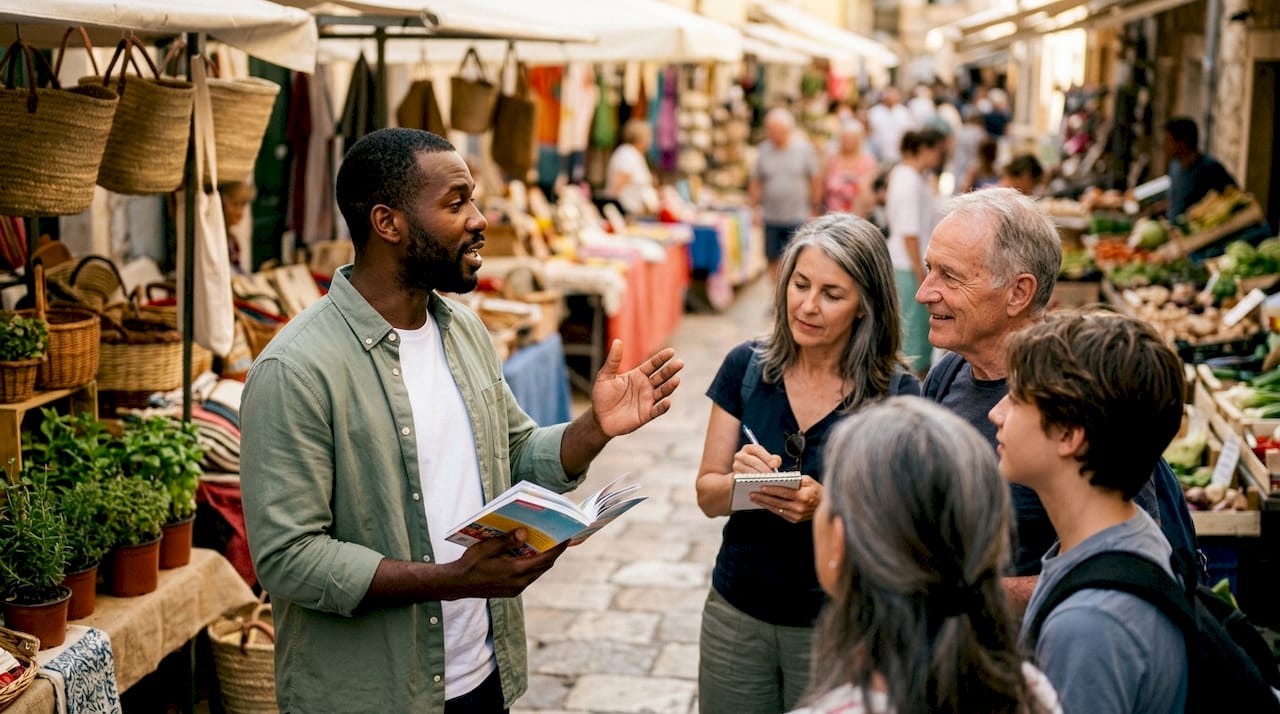
Pro Tip: Before booking any tour, ask specifically whether the guide will explain how historical events connect to present-day local life. That single question separates a cultural experience from a sightseeing loop.
How does cultural exploration deepen emotional satisfaction in travel?
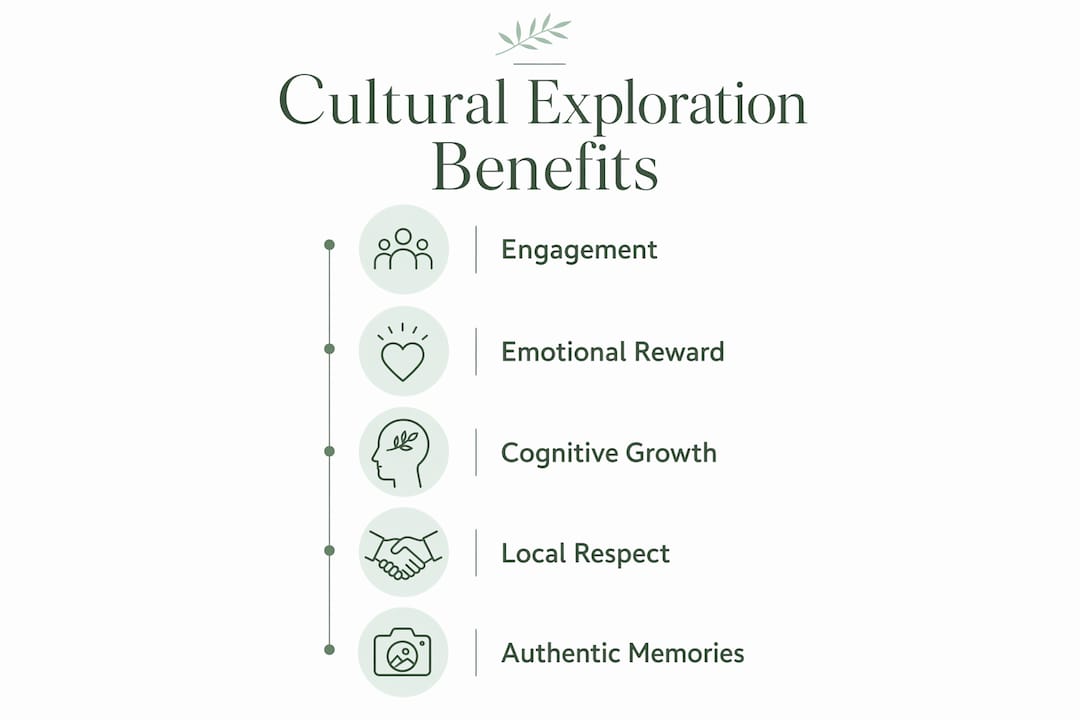
Cultural immersion in travel does more than entertain. It produces measurable emotional and psychological rewards that standard sightseeing cannot replicate.
A 2026 study on intangible cultural heritage (ICH) tourism mapped a clear influence pathway: travel experience leads to travel emotions, which in turn shape cultural identity and produce deep psychological satisfaction. The finding matters because it explains why travelers who attend a traditional craft workshop or a local harvest festival often describe those moments as the highlight of an entire trip, even when they also visited famous monuments.
| Experience type | Emotional outcome | Long-term effect |
|---|---|---|
| Passive sightseeing | Mild pleasure, quick fading | Low recall after 6 months |
| Guided cultural interpretation | Curiosity, connection, awe | Strong narrative memory |
| ICH participation (craft, ritual, food) | Emotional resonance, belonging | Lasting cultural identity shift |
| Immersive workshop or sensory tour | Empathy, personal growth | Redefined self-perception |
ICH tourism positively influences travel emotions and enhances cultural identity, producing greater psychological satisfaction than product-focused tourism. This is the shift from the product economy to the experience economy playing out in real time on the road.
Travelers increasingly seek personalized, profound cultural experiences that merge service quality, immersive workshops, and multisensory encounters. That demand is not a trend. It is a permanent change in what discerning travelers consider a worthwhile trip. For those exploring cultural experiences in Croatia, this shift is especially visible in the appetite for curated, locally rooted itineraries.
What is cognitive tourism and how does it elevate cultural exploration?
Cognitive tourism is the most advanced form of cultural engagement available to travelers today. It redefines the tour as a dialogic, participatory encounter rather than a passive reception of information.
Cognitive tourism engages travelers’ cognitive and emotional faculties by encouraging questions, personal interpretations, and active meaning-making as integral parts of the experience. The traveler is not an audience member. The traveler is a participant in an ongoing conversation with a place and its people.
The practical difference shows up in specific tour formats:
- Guided memory walks. A guide leads travelers through a neighborhood while residents share personal stories tied to specific buildings, streets, or events.
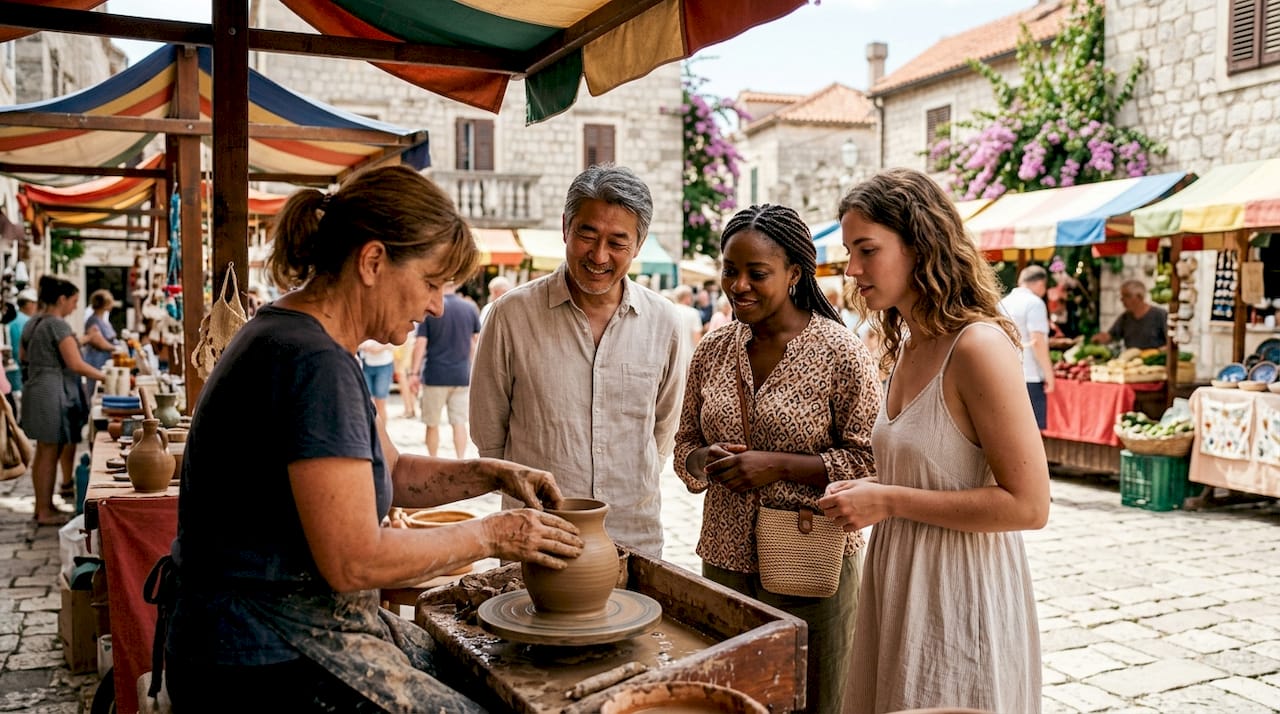
- Immersive craft workshops. Travelers learn a traditional skill, such as stone carving, lace-making, or olive oil pressing, from a local artisan rather than watching a demonstration.
- Sensory tours. Itineraries built around taste, sound, and smell rather than visual landmarks, such as a tour of a morning fish market followed by a cooking session.
- Living language encounters. Brief, structured interactions with locals in their own language, guided by a bilingual facilitator who explains cultural nuance in real time.
Cognitive tourism disrupts the traditional guide-tourist hierarchy by encouraging dialogic, interpretive encounters where the traveler’s own questions and reflections become part of the experience itself. The destination stops being a backdrop and becomes a conversation partner.
This approach demands more from both guide and traveler. It also delivers far more. Travelers who engage cognitively with a destination report stronger empathy for local communities and a clearer sense of how their own culture compares. That kind of cultural education through travel is the most durable souvenir anyone can bring home. Guided photography tours offer a related window into this method, as guided photography experiences show how active, focused attention transforms the way travelers see and interpret a place.
What practical strategies maximize cultural immersion on tours?
The most common mistake travelers make is trying to see too much. Visiting five cities in seven days leaves no time for the slow, trust-building interactions that produce genuine cultural understanding.
-
Stay longer in fewer places. Local rhythm and trust typically develop after four days of presence in one location rather than shorter visits. Four days in Split will teach you more about Dalmatian life than four hours each in eight coastal towns.
-
Travel in shoulder seasons. Optimal cultural immersion occurs during shoulder seasons like may and september in Europe. Locals are more relaxed, venues are less crowded, and authentic interactions replace tourist-facing performances.
-
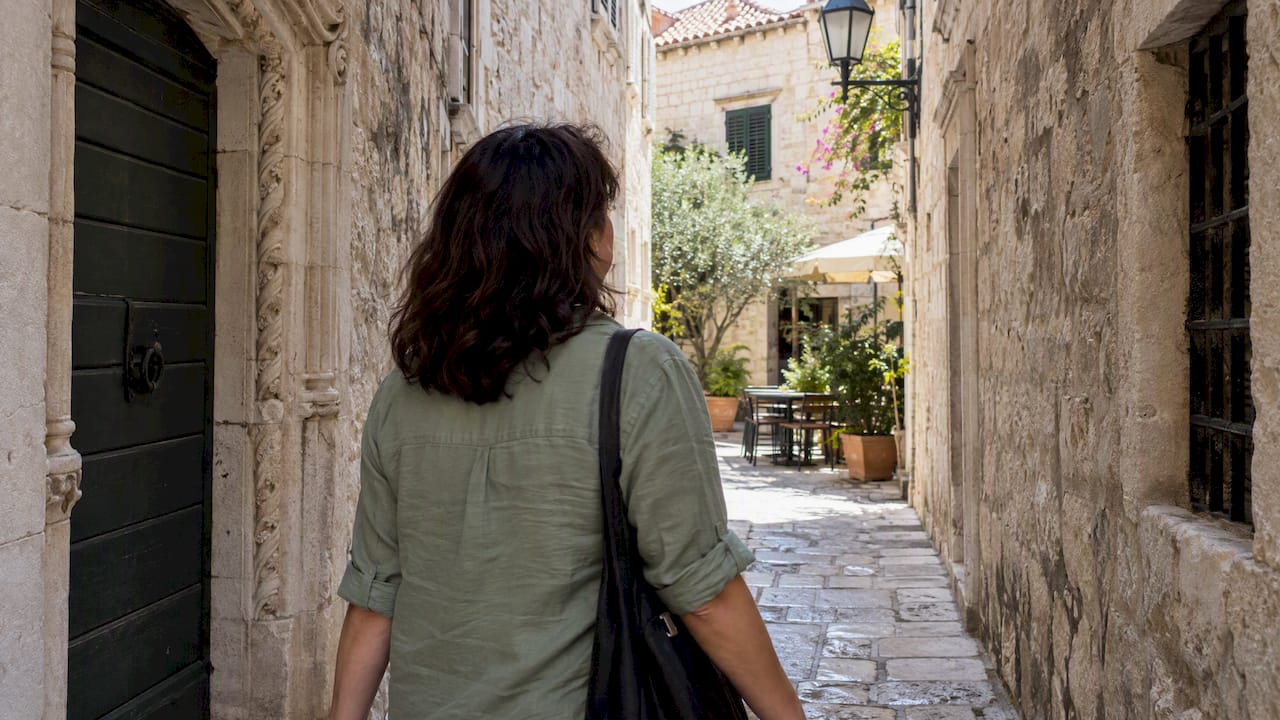
Engage through markets, libraries, and local events. Genuine conversations and participation in cultural activities like markets, festivals, and communal events deepen immersion far more than guided monument tours alone. A Saturday morning market in Zagreb reveals more about Croatian daily life than any museum exhibit.
-
Approach every interaction with curiosity, not judgment. Cultural immersion requires a willingness to be welcomed in on the community’s terms, not your own. That means accepting unfamiliar food, unfamiliar schedules, and unfamiliar social norms without immediately comparing them to home.
-
Customize your itinerary around cultural priorities. Choosing personalized day trips built around a specific cultural interest, such as traditional music, religious architecture, or regional cuisine, produces far richer experiences than generic highlight tours.
Pro Tip: Ask your accommodation host, not a tourist office, for one local event happening during your stay. That single recommendation will almost always lead to your most memorable experience of the trip.
Local cuisine is itself one of the most direct entry points into a culture. Food’s role in tourism is well documented: sharing a meal prepared with regional ingredients and traditional techniques communicates cultural values that no monument can convey. Pair that with itinerary customization built around culinary stops, and the result is a tour that feeds both appetite and understanding.
Key Takeaways
Cultural exploration transforms tours from passive sightseeing into active, emotionally resonant experiences that build genuine understanding, lasting memories, and a deeper connection to the places and people travelers encounter.
| Point | Details |
|---|---|
| Tour guides shape cultural depth | Guides who connect history to present-day life produce the strongest traveler satisfaction and engagement. |
| ICH tourism builds emotional identity | Participating in intangible cultural heritage activities creates lasting psychological satisfaction beyond standard tourism. |
| Cognitive tourism elevates engagement | Dialogic, participatory tours produce stronger empathy and cultural understanding than passive sightseeing. |
| Slower travel deepens immersion | Staying four or more days in one location builds the local trust needed for authentic cultural encounters. |
| Shoulder seasons unlock authenticity | Traveling in may or september in Europe produces more genuine interactions with local communities. |
Why cultural depth matters more than cultural breadth
After years of facilitating tours across Croatia, I have come to one firm conclusion: travelers who prioritize cultural depth over cultural breadth return home changed. Travelers who prioritize breadth return home with photographs.
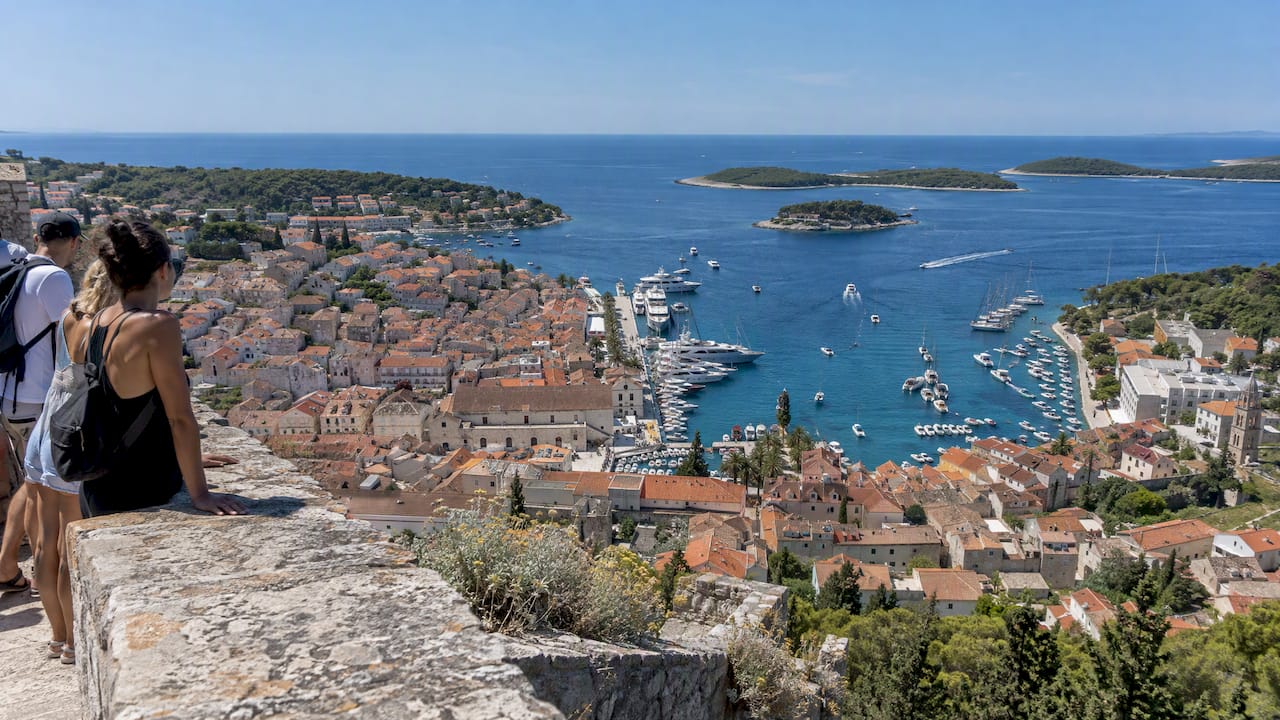
The difference is not about how many sites you visit. It is about whether you leave a place understanding something you did not understand before. I have watched travelers stand in front of Diocletian’s Palace in Split and feel nothing beyond mild admiration. I have watched other travelers spend an hour with a local stonemason who repairs the same walls his grandfather repaired, and leave with tears in their eyes. The palace did not change. The quality of engagement did.
The uncomfortable truth about cultural tourism is that most of it is still superficial. A bus stops, travelers photograph a facade, the bus moves on. That is not cultural exploration. That is cultural consumption. Real immersion requires slowing down, asking uncomfortable questions, and accepting that you will not understand everything. That discomfort is exactly where growth happens.
My advice is simple: choose one cultural thread per trip and follow it deeply. If you are drawn to medieval architecture, find a guide who specializes in it and spend three days in one city rather than three hours in six. If food is your entry point, build your entire itinerary around markets, producers, and shared meals. Depth always wins.
— Croatia
Private transfers that open doors to cultural Croatia
Croatia-private-transfers connects travelers to the cultural heart of Croatia through private, flexible transportation that puts the right places within reach at the right pace.
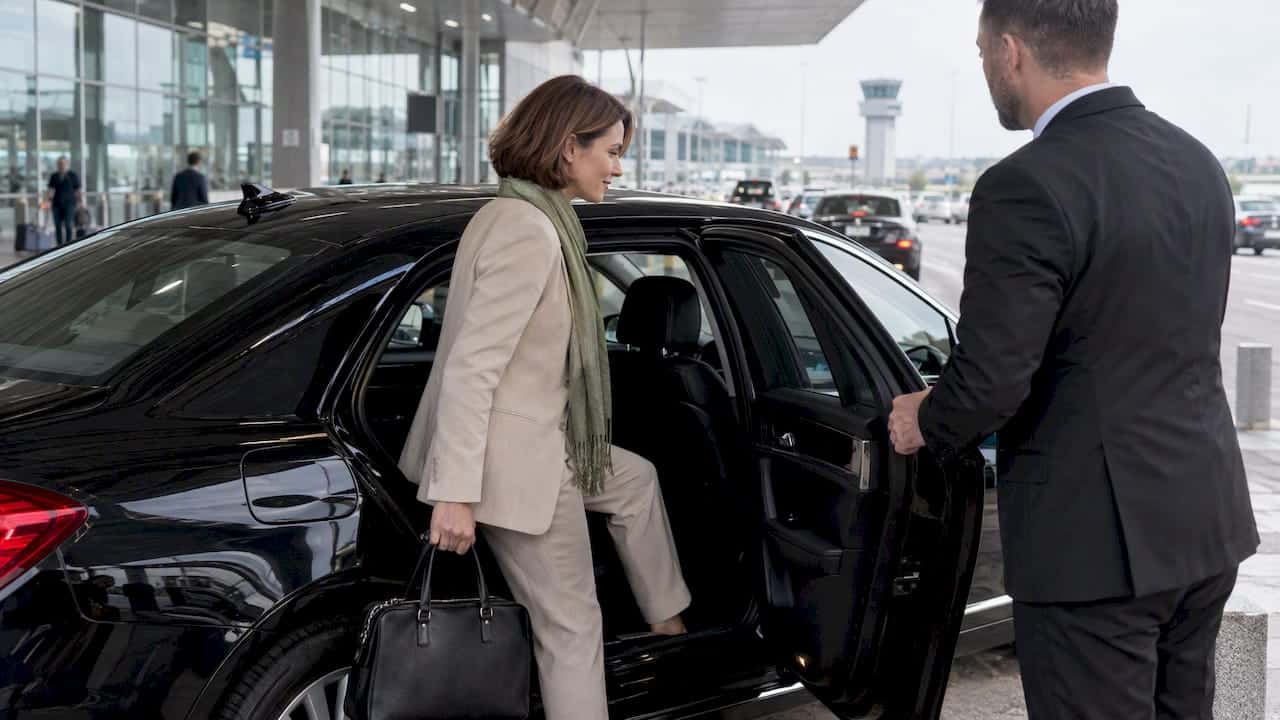
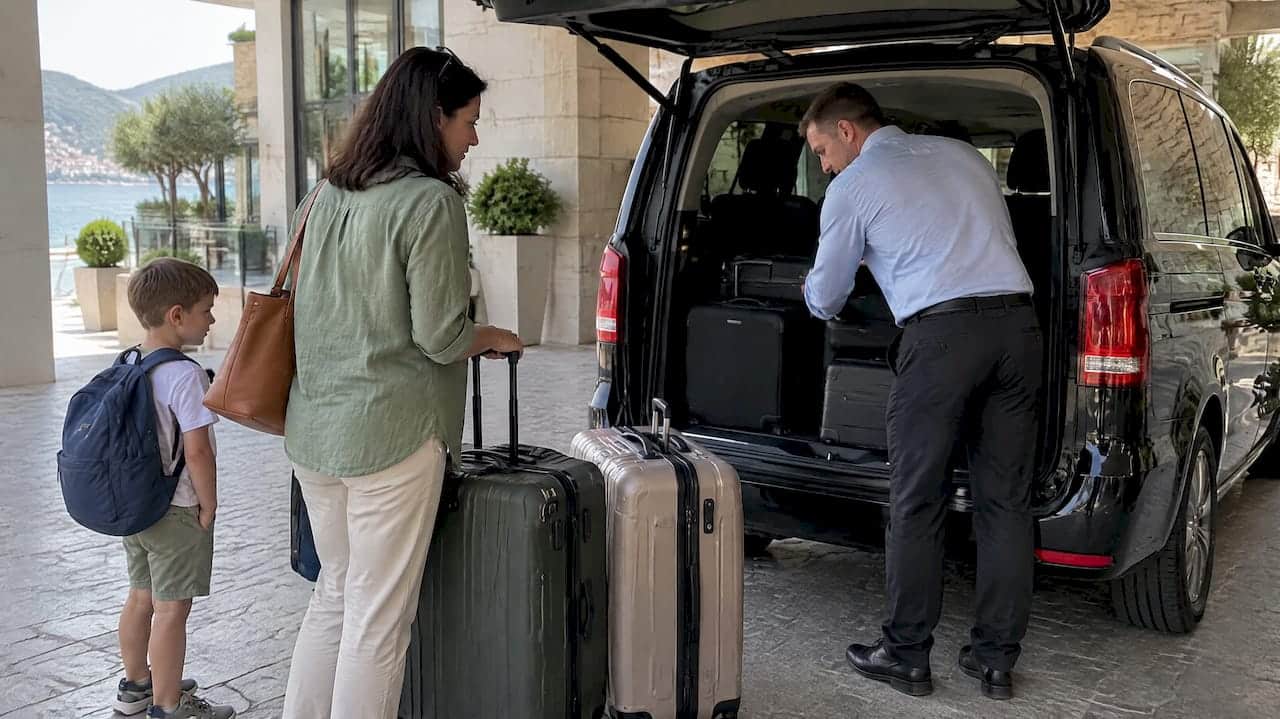
A private transfer is not just a ride. It is the difference between arriving at a UNESCO site rushed and arriving with time to absorb it. Croatia-private-transfers provides licensed, English-speaking drivers with genuine local knowledge, traveling in modern Mercedes-class vehicles. Whether you want to reach Plitvice Lakes at dawn before the crowds arrive, stop at a family-run winery in the Dalmatian hinterland, or access a coastal village that no shuttle bus serves, private transfers in Croatia make that level of cultural access possible. Every itinerary is built around your priorities, not a fixed schedule.
FAQ
What is the role of cultural exploration in tours?
Cultural exploration in tours is the active process of engaging with a destination’s traditions, history, and living culture to produce meaningful, emotionally resonant travel experiences. It transforms tours from passive sightseeing into genuine cross-cultural encounters.
How do tour guides enhance cultural exploration?
Tour guides enhance cultural exploration by serving as cultural interpreters, mediators, and co-creators who connect historical context to present-day life. Research confirms that these five guide competencies directly shape tourist satisfaction and depth of engagement.
What is cognitive tourism?
Cognitive tourism is a form of travel that engages travelers’ cognitive and emotional faculties through dialogic, participatory experiences rather than passive observation. It encourages travelers to ask questions and form personal interpretations as part of the tour itself.
When is the best time to travel for cultural immersion?
Shoulder seasons like may and september in Europe offer the most authentic cultural interactions, as local communities are less crowded and more open to genuine engagement with visitors.
How does intangible cultural heritage tourism differ from standard tourism?
Intangible cultural heritage tourism focuses on living traditions, crafts, rituals, and social practices rather than physical monuments. Studies show it produces stronger emotional resonance and lasting cultural identity formation compared to standard sightseeing.