

Best Scenic Routes in Croatia: 7 Drives Worth Taking
TL;DR:
- Croatia offers a diverse array of scenic routes that combine coastlines, mountains, and national parks within a small area. The Adriatic Highway (D8) is the most famous coastal drive and offers spectacular views but can be congested in peak season, so timing is essential. Inland routes like the Plitvice to Krka corridor provide lush forests and waterfalls, offering a peaceful contrast to the busy coast.
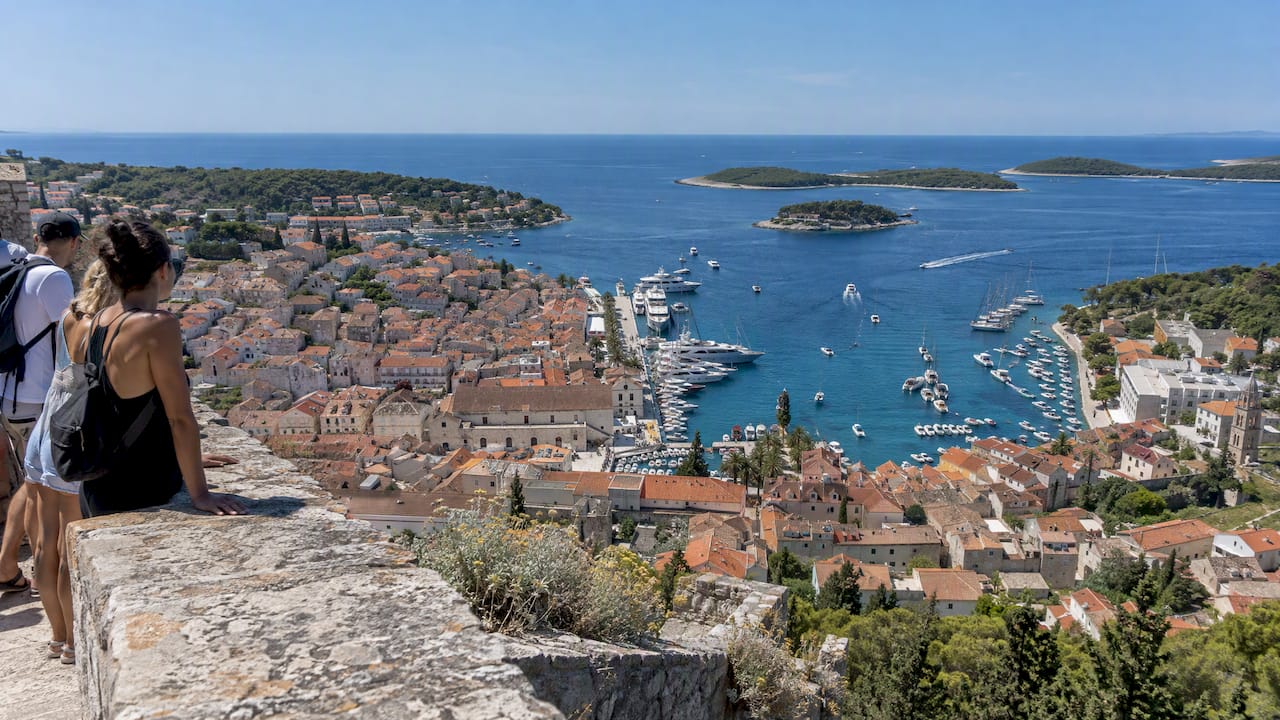
Croatia’s best scenic routes are defined by a rare combination of Adriatic coastline, karst mountains, ancient walled towns, and UNESCO-protected national parks, all within a country smaller than West Virginia. The Adriatic Highway (D8), also known as the Jadranska Magistrala, is Croatia’s most celebrated road and one of the most beautiful drives in the world. Yet the country’s most rewarding road trips extend well beyond that single corridor. From the surreal Mars Road on Pag Island to the waterfall-laced inland route connecting Plitvice Lakes and Krka National Park, Croatia road trip routes deliver genuinely different worlds within short distances. This guide covers the routes worth your time, the practical details that matter, and the insider knowledge that separates a good drive from an unforgettable one.
1. What are the best scenic routes in Croatia?
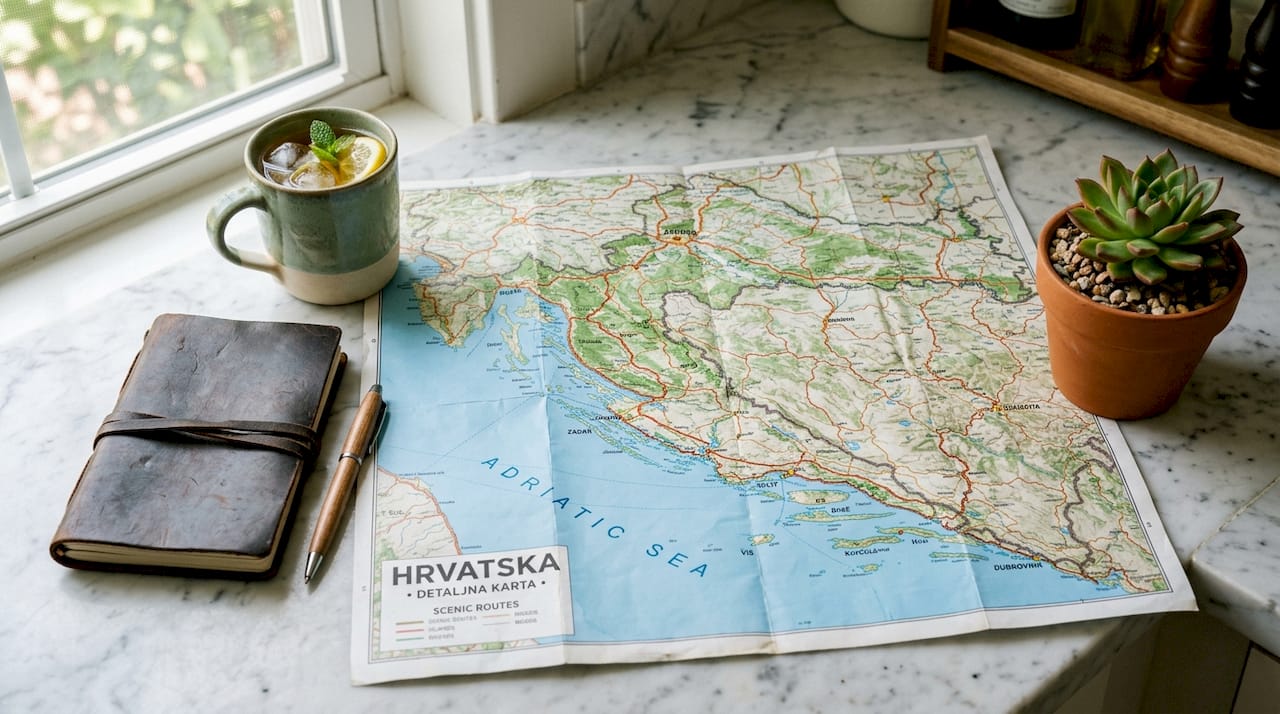
The best scenic routes in Croatia span both coast and interior, each offering a distinct visual and cultural character. The Adriatic Highway is the anchor, but Mars Road, the Plitvice to Krka corridor, Istrian hill town loops, and the Dubrovnik hinterland all earn a place on any serious itinerary. Choosing the right route depends on whether you prioritize sea views, waterfalls, wine country, or dramatic karst geology. Croatia road trip routes reward travelers who treat the drive itself as the destination, not just the transfer between stops.
2. The Adriatic Highway (D8): Croatia’s iconic coastal drive
The Adriatic Highway stretches approximately 818 km through Croatian territory, running from Rijeka in the north to Dubrovnik in the south. It passes through Zadar, Šibenik, Split, and Makarska, threading between limestone cliffs and the turquoise Adriatic Sea. The road is narrow in places, with sharp bends and exposure to the bura wind, so drivers should budget extra time and full attention, especially in high season or bad weather.
Traffic is the D8’s most significant practical challenge. Peak season congestion in july and august can double travel times, turning a four to six hour drive into an eight hour ordeal. The solution is simple: drive in june or september, start early in the morning, and plan no more than 150 km per day to allow for spontaneous stops in coastal towns like Omiš or Brela.
The Pelješac Bridge, completed in 2022, changed the southern section of this drive significantly. Before it opened, travelers heading to Dubrovnik had to cross through the Neum corridor in Bosnia and Herzegovina, which added border crossings and delays. The bridge now keeps the entire route within Croatia, making the final stretch to Dubrovnik far more fluid.
Key highlights along the D8:
- Opatija and the Kvarner Riviera at the northern start
- The Makarska Riviera’s white pebble beaches backed by the Biokovo massif
- Trogir’s UNESCO old town, reachable as a short detour
- The Pelješac Peninsula’s wine villages, including Dingač and Postup
- Dubrovnik’s old city walls as the dramatic southern finale
Pro Tip: Drive the D8 north to south. The scenic buildup intensifies as you move south, saving the most dramatic coastal scenery for the final days of your trip.
3. Mars Road on Pag Island: Europe’s most surreal coastal drive
Mars Road on Pag Island is a 10–15 km coastal drive between Caska and Metajna, near Novalja, and it looks nothing like the rest of Croatia. The landscape is pure barren karst, stripped of vegetation by centuries of bura wind, with pale limestone formations set against vivid turquoise water. The contrast is genuinely startling. Photographers and drone operators consider this one of Europe’s most visually distinctive short drives.
The road itself takes under 30 minutes to complete without stops, but most travelers spend two to three hours exploring the viewpoints and the small coves along the way. Ručica Beach, a hidden pebble cove accessible by a short trail from the road, is the standout stop. Sunrise and late afternoon light transform the pale rock into shades of gold and amber, making timing critical for photography.
What to know before you drive Mars Road:
- The road is unpaved in sections; a standard car handles it fine in dry conditions
- No fuel stations exist between Caska and Metajna, so fill up in Novalja
- The area is exposed and hot in july and august; bring water and sun protection
- Drone flights require advance permits in Croatia; check regulations before flying
Pro Tip: Combine Mars Road with a visit to Zrće Beach near Novalja for a full day on Pag Island. The contrast between the barren karst drive and the vibrant beach scene is one of Croatia’s more unexpected juxtapositions.
4. Plitvice Lakes to Krka National Park: the inland nature corridor
The inland route connecting Plitvice Lakes National Park and Krka National Park is Croatia’s premier nature-focused road trip. The drive passes through dense Dinaric forests, mountain passes, and river valleys that feel entirely removed from the coastal crowds. Most travelers complete the driving portion in a few hours, but the stops at both parks easily expand the experience into a two to three day itinerary. Croatia-private-transfers offers a Zagreb to Zadar transfer via Plitvice that covers the northern half of this corridor with expert local guidance.
Krka National Park requires a logistical decision that affects how much scenic time you actually get. The Lozovac entrance is the closest point to Skradinski Buk, the park’s most famous waterfall, and it offers free parking with a shuttle service into the park. The Skradin entrance involves a boat ride and a longer overall itinerary. For travelers arriving by car with limited time, Lozovac is the clear choice.
| Route Segment | Key Attraction | Approx. Drive Time |
|---|---|---|
| Zagreb to Plitvice Lakes | Terraced lakes and waterfalls | 2 hours |
| Plitvice Lakes to Knin | Mountain and river scenery | 1.5 hours |
| Knin to Krka (Lozovac) | Krka Canyon approach | 30 minutes |
| Krka to Zadar or Split | Coastal transition | 1–1.5 hours |
The inland drive also passes through the Krka River canyon, where the road hugs limestone walls above the river. This section alone justifies the inland detour for travelers who have already seen the coast. The Zadar to Split transfer via Krka covers the southern segment of this route for those who prefer a private, guided experience.
5. Coastal vs. inland scenic drives: which suits your trip?
Coastal and inland routes deliver fundamentally different experiences, and the right choice depends on what you want to see and how you want to travel. Coastal drives along the D8 prioritize sea views, historic walled towns, and beach access. Inland routes offer castles, wine regions, national parks, and a pace that feels less crowded even in peak summer.
| Factor | Coastal (D8) | Inland (Plitvice to Krka) |
|---|---|---|
| Scenery | Adriatic Sea, cliffs, islands | Forests, waterfalls, canyons |
| Traffic | Heavy in july and august | Moderate year-round |
| Towns | Split, Dubrovnik, Zadar | Smaller villages, fewer crowds |
| Best for | Sea lovers, history, beaches | Nature, photography, tranquility |
| Road conditions | Narrow, winding, wind-exposed | Mountain roads, some unpaved sections |
The most satisfying Croatian itineraries combine both. Drive the coast from Rijeka to Split over four to five days, then cut inland to Plitvice and Krka before returning to the coast at Zadar or Šibenik. This loop covers the country’s greatest hits without doubling back on the same road.
Pro Tip: Travelers who focus only on GPS-estimated driving times consistently underestimate the D8. Plan around stops, not speed. The road rewards slow exploration far more than efficient transit.
6. Hidden gems: lesser-known scenic drives for adventurous travelers
Croatia’s most memorable picturesque Croatian landscapes are often found on roads that don’t appear in standard travel guides. Istria, in the northwest, offers a network of hilltop town drives connecting Motovun, Grožnjan, and Rovinj through truffle forests and vineyard-covered hills. These loops work perfectly as day trips from Poreč or Pula and feel worlds apart from the Dalmatian coast.
Around Dubrovnik, the road through the Konavle valley south of the city passes through traditional stone villages, vineyards, and horse farms with the Snježnica mountain range as a backdrop. Most visitors never leave the city walls. The Konavle drive takes under an hour from Dubrovnik’s old town and delivers a completely different side of southern Croatia.
Lesser-known scenic drives worth adding to your itinerary:
- Istrian hilltop loop: Motovun to Grožnjan to Rovinj, approximately 80 km, best in spring and fall
- Konavle valley loop: South of Dubrovnik, under 60 km, ideal as a half-day excursion
- Velebit mountain road: The inland route parallel to the D8 through Northern Velebit National Park, dramatic and nearly empty
- Pelješac Peninsula coast road: From Ston to Orebić, with oyster farms, vineyards, and Korčula Island views across the channel
Timing matters on all of these. The Istrian hilltop towns are at their best in may and october, when the light is softer and the roads are clear. The Pelješac road is worth driving in either direction, but the westbound approach from Ston toward Orebić keeps the sea on your right for the majority of the drive.
Key takeaways
Croatia’s most rewarding scenic drives combine coastal highways, island roads, and inland nature corridors, making route selection the single most important planning decision for any Croatian road trip.
| Point | Details |
|---|---|
| Adriatic Highway is the foundation | The D8 runs 818 km from Rijeka to Dubrovnik and anchors every coastal itinerary. |
| Drive north to south on the D8 | Scenic intensity builds southward, saving the most dramatic views for last. |
| Avoid peak season on the coast | July and august can double D8 travel times; june and september are far more enjoyable. |
| Inland routes offer genuine contrast | Plitvice to Krka delivers forests, waterfalls, and canyons with far less traffic. |
| Hidden drives reward the curious | Istria, Konavle, and Pelješac offer world-class scenery with almost no crowds. |
Why I always recommend driving Croatia north to south
After years of planning and experiencing Croatian road trips, I am convinced that the north-to-south direction on the Adriatic Highway is not just a preference. It is the correct way to experience the country’s coastal scenery for the first time. The Kvarner coast around Opatija is beautiful but relatively gentle. By the time you reach the Makarska Riviera and the Pelješac Peninsula, the landscape has become something genuinely extraordinary. That progression matters emotionally.
The mistake I see most often is travelers treating the D8 as a connector between Dubrovnik and Split rather than as the destination itself. The road is narrow, winding, and wind-exposed in places, and that is precisely what makes it special. Slow down. Stop in Brela for a swim. Walk Trogir’s old town at dusk. The Croatia sightseeing checklist for discerning travelers always includes these smaller moments, not just the headline sites.
My strongest advice for inland routes: do not skip Krka in favor of a second day at Plitvice. Both parks are extraordinary, but they are completely different experiences. Plitvice is about terraced lakes and wooden boardwalks. Krka is about a river canyon and the raw power of Skradinski Buk. Together, they make the inland corridor one of the most complete nature drives in Europe.
— Croatia
Travel Croatia’s scenic routes with Croatia-private-transfers
Croatia’s most beautiful roads deserve to be experienced without the stress of navigation, parking, or traffic management. Croatia-private-transfers offers private transfers across Croatia with licensed, English-speaking drivers and modern Mercedes vehicles, connecting all the major scenic route hubs door to door.
For travelers who want a curated experience rather than a self-drive itinerary, Croatia-private-transfers also arranges tailor-made day tours focused on specific scenic drives, hidden coastal roads, and national park visits. Every route is thoughtfully paced to include the stops that matter most. Whether you are arriving at Split Airport and heading toward Dubrovnik or planning a multi-day loop through Plitvice and Krka, the team builds the itinerary around your priorities, not a fixed schedule.
FAQ
What is the most scenic road in Croatia?
The Adriatic Highway (D8) is widely regarded as Croatia’s most scenic road, stretching approximately 818 km from Rijeka to Dubrovnik along the Adriatic coast.
When is the best time to drive the Adriatic Highway?
June and september offer the best combination of good weather and manageable traffic. July and august can double travel times due to heavy congestion on the D8.
Does the Pelješac Bridge make coastal driving easier?
Yes. The Pelješac Bridge, completed in 2022, allows travelers to reach Dubrovnik without crossing the Bosnia and Herzegovina border corridor, keeping the entire coastal route within Croatia.
What is Mars Road on Pag Island?
Mars Road is a 10–15 km drive between Caska and Metajna on Pag Island, known for its barren karst landscape and striking Adriatic views. It is considered one of Europe’s most visually unique short drives.
Which entrance to Krka National Park is best for drivers?
The Lozovac entrance is the best choice for drivers, as it is closest to Skradinski Buk waterfall and offers free parking with a shuttle service into the park.