

10 Proven Ways to Personalize Tours for Any Traveler
TL;DR:
- Personalizing tours involves providing clear, functional details to guides to ensure a tailored experience. Effective communication and use of technology, including AI tools, enable travelers to control and adapt their journeys in real time. Building flexibility and partnering with local guides leads to more authentic and satisfying travel experiences.
Personalizing tours is defined as the practice of tailoring every element of a travel experience to match your individual preferences, pace, accessibility needs, and interests. The best ways to personalize tours go far beyond choosing a destination. They involve clear communication with guides, smart use of technology, and deliberate choices about format and flexibility. Whether you are planning a private coastal drive along the Adriatic or a cultural day trip through Dubrovnik’s old city, the quality of your experience depends on how well you articulate what you want before you arrive.
1. What are the best ways to personalize tours?
The most effective approach to customizing travel experiences starts with a single principle: give your guide or provider the right kind of information, not the most information. Guides need functional constraints they can act on, not lengthy essays about your travel philosophy.
Concise, functional details such as your budget range, mobility constraints, dietary restrictions, preferred pace, and hard time limits give guides everything they need to build a tour that fits. A message like “We have four hours, two adults with limited walking ability, a preference for seafood, and a budget of $200” is far more useful than a paragraph describing your love of culture.
This approach works because it respects the guide’s expertise. You define the boundaries; they fill in the best possible experience within them.
2. How to communicate your preferences effectively
Clear communication is the single biggest factor in successful tour personalization. Guides cannot read your mind, and vague requests produce generic results.
Sorting your requests into must-haves and nice-to-haves makes negotiation straightforward. Must-haves protect the core of your experience. Nice-to-haves give the guide room to adapt without disappointing you.
Use these categories when briefing any guide or provider:
- Budget range: Give a realistic figure, not an open-ended one.
- Pace: Specify whether you prefer a relaxed, moderate, or fast-moving day.
- Mobility: Describe actual limitations, not just “we need something accessible.”
- Diet: List specific restrictions, not just preferences.
- Interests: Name two or three specific topics, such as Roman history, local wine, or coastal wildlife.
- Time limits: State your hard start and finish times.
Request a written itinerary summary before booking. It should list inclusions, exclusions, and cancellation policies. This protects you and confirms the guide understood your brief.
Pro Tip: Ask for a short discovery call or a pre-booking questionnaire. Guides who offer these are far more likely to deliver a tour that genuinely fits your needs.
3. Leveraging technology and AI tools for tour personalization
Digital tools have changed how travelers build and manage personalized travel itineraries. Real-time apps and AI assistants now give travelers a level of control that was not possible a decade ago.
AI chatbots used during a trip provide decision support by filtering recommendations based on your stated preferences and current conditions. AI social support from chatbots predicts decision confidence, which in turn drives positive destination emotions and overall satisfaction. That confidence matters most when you face an unexpected closure, a weather change, or a spontaneous opportunity.
Apps that integrate live local data, including opening times, transport disruptions, and crowd levels, give you timely advice that a pre-printed itinerary cannot. Tools like Google Maps, TripAdvisor, and WhatsApp are widely used to coordinate with guides in real time. The best providers welcome this kind of ongoing communication.
Trust in AI personalization has a direct and strong influence on traveler loyalty. Travelers who feel an AI tool genuinely understands their preferences return to platforms that use it well. This makes technology not just a convenience but a factor in long-term travel satisfaction.
4. Designing accessible and comfortable personalized tours
Accessibility is one of the most under-served areas in tour personalization. Generic “accessible” labels rarely reflect the real conditions of a route or venue.
Accessible itineraries work best when built around the individual traveler through a discovery process, rather than fitting the traveler into a standard group schedule. A discovery call lets a provider learn specifics that no online form captures fully.
When briefing a provider on accessibility, be concrete:
- Step-free routes: Ask whether the entire route is step-free or only parts of it.
- Seating: Confirm whether rest seating is available at key stops.
- Restroom access: Ask about frequency and accessibility of facilities.
- Transport type: Specify whether you need a vehicle with step-free entry or a ramp.
- Sensory considerations: Mention noise sensitivity, lighting needs, or crowding concerns.
- Assistance: State whether you need physical assistance or just time and space.
Route validation from the guide, confirming that the actual path meets your stated needs, is the difference between a genuinely accessible tour and one that only claims to be.
Pro Tip: Ask your guide to walk the route themselves and confirm specific details in writing before you commit. A provider who does this without hesitation is one you can trust.
Thoughtfully paced itineraries also pair higher-energy activities with rest periods. A morning visit to Plitvice Lakes followed by a relaxed lunch and a scenic drive back, for example, balances engagement with recovery for travelers of all fitness levels.
5. Incorporating local insights and flexibility for unique tours
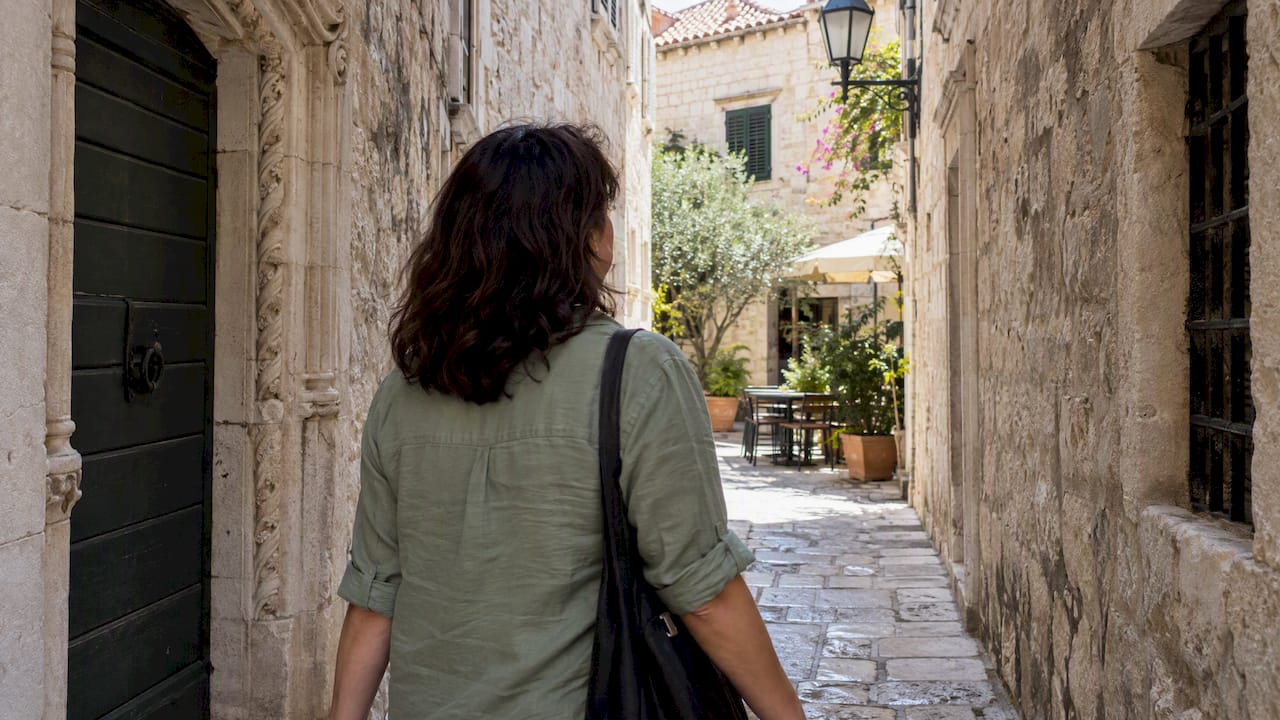
Local guides are the most underused resource in tour personalization. When you give a knowledgeable local guide clear context about your interests, they can suggest experiences that no travel app will surface.
Framing your requests as a partnership rather than a transaction produces better outcomes on pricing, inclusions, and overall quality. A guide who feels like a collaborator invests more in your experience than one who feels like a vendor.
Building flexibility into your itinerary is equally important. Including free time and backup options accounts for last-minute changes effectively, whether that means a sudden downpour, a market you want to linger in, or a viewpoint that demands an extra twenty minutes.
“The best tours I have ever experienced were the ones where I told the guide what mattered most to me and then trusted them to fill in the rest. The hidden wine cellar in Istria, the fisherman’s table in Šibenik. None of that was on any map.”
Practical ways to build flexibility into a tailored travel plan:
- Schedule one unstructured hour per half-day.
- Identify one backup stop for each primary destination.
- Confirm guide availability for spontaneous route changes.
- Keep the final hour of any day unplanned.
6. Comparing popular ways to personalize tours
Three formats dominate the market for travelers who want to design personalized excursions: private transfers with custom stops, themed itineraries, and small group custom tours. Each suits a different traveler profile.
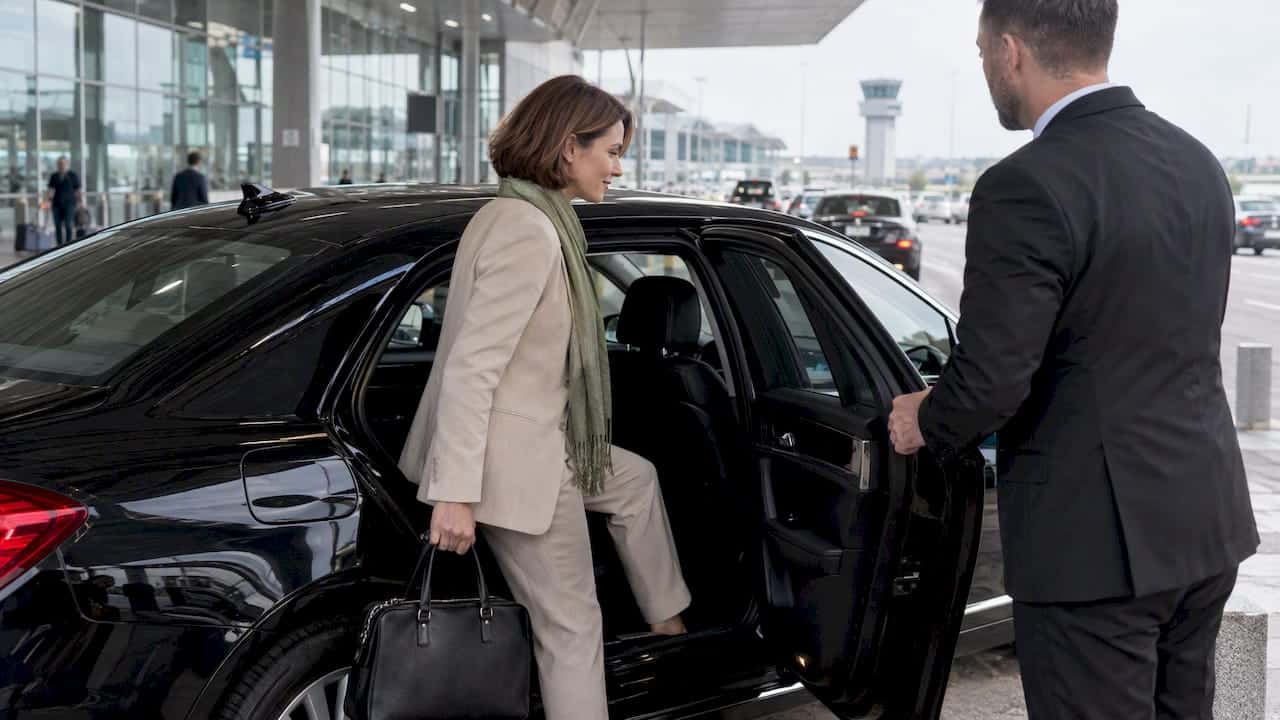
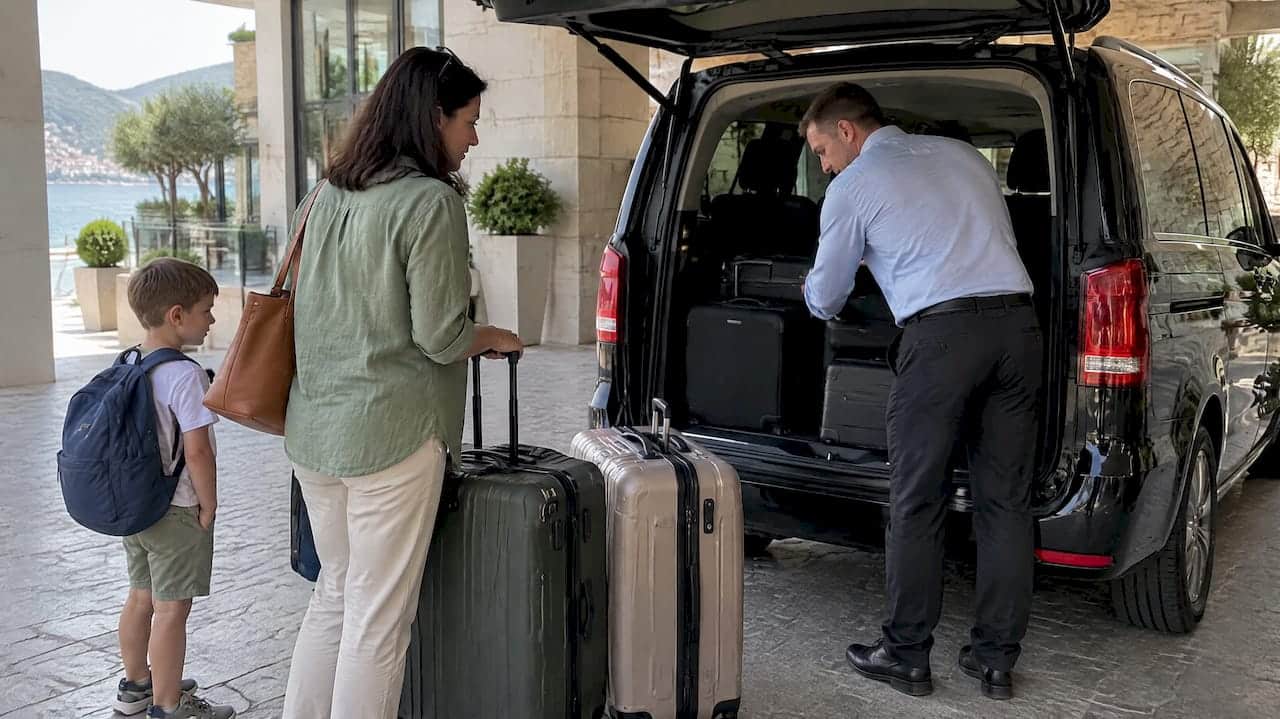
Private tours with a dedicated driver offer the highest level of schedule control and are ideal for families, travelers with accessibility needs, and anyone who values comfort over cost efficiency. You set the pace, the stops, and the duration.
Themed tours, built around culinary experiences, adventure activities, or cultural heritage, focus personalization around a specific interest. They work best for solo travelers or couples with a clear shared passion. A wine-focused day through the Pelješac Peninsula or a photography tour of Diocletian’s Palace in Split are strong examples.
Small group custom tours balance social interaction with some degree of individual preference. They cost less than fully private options but offer less flexibility.
| Format | Personalization level | Cost | Best for |
|---|---|---|---|
| Private transfer with stops | Very high | Higher | Families, accessibility needs |
| Themed itinerary tour | High | Moderate | Couples, solo travelers |
| Small group custom tour | Moderate | Lower | Budget-conscious social travelers |
| Standard group tour | Low | Lowest | First-time travelers, broad interests |
Pro Tip: For multi-generational groups, combine a private transfer with one themed activity. This gives everyone comfort and mobility while still delivering a focused, memorable experience.
Croatia-private-transfers specializes in private multi-day tours that blend all three elements, giving travelers the flexibility of a private vehicle with the depth of a curated thematic itinerary.
7. How to match your itinerary to your travel style
Your travel style determines which personalization methods will deliver the most value. Knowing your style before you book saves time and prevents disappointment.
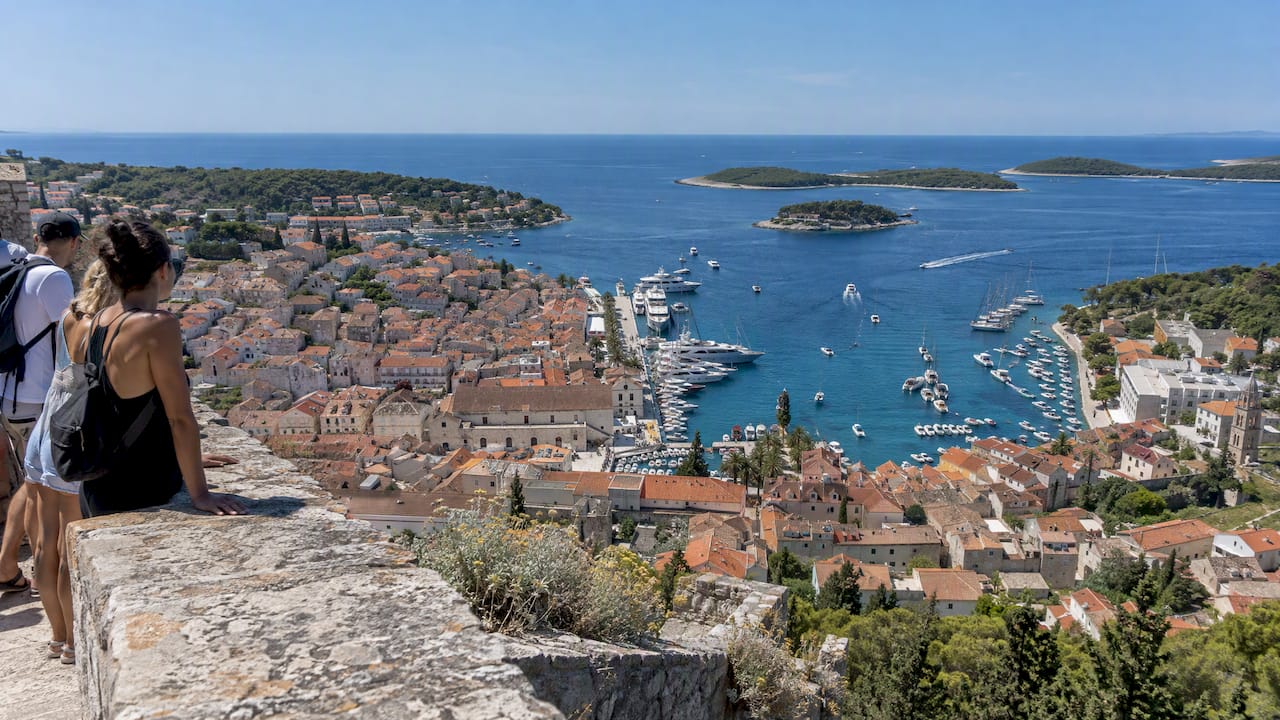
Travelers who prioritize depth over breadth benefit most from slowing down. Visiting two or three locations thoroughly outperforms a rushed tour of six. Croatia’s Dalmatian coast, for instance, rewards travelers who spend a full morning in one town rather than racing between five.
Travelers who prioritize variety benefit from a driver-guide who can read the group’s energy and adjust the route in real time. This is where private car service adds genuine value. A skilled driver-guide notices when the group is tired and suggests a scenic stop instead of pressing on to the next scheduled site.
Families with children benefit from itineraries that alternate between active and passive experiences. A nature walk at Krka Waterfalls followed by a boat ride keeps children engaged without exhausting them.
Key takeaways
Personalizing tours delivers the most value when travelers communicate specific constraints early and treat guides as partners rather than service providers.
| Point | Details |
|---|---|
| Communicate functional constraints | Share budget, pace, mobility, diet, and time limits before booking. |
| Use must-haves vs. nice-to-haves | Sorting priorities makes negotiation faster and protects your core experience. |
| Validate accessibility in writing | Ask guides to confirm step-free routes and facilities before you commit. |
| Build in flexibility | Schedule unstructured time and backup stops to handle last-minute changes. |
| Match format to traveler profile | Private transfers suit families and accessibility needs; themed tours suit focused interests. |
What I have learned about personalizing tours after years on the road
The most common mistake travelers make is over-explaining what they want while under-specifying what they need. A three-paragraph email about your love of history is far less useful to a guide than a single sentence: “We want two hours at a Roman site, step-free access, and a lunch stop with local seafood.”
Personalization is a partnership. The traveler brings the constraints and the priorities. The guide brings the local knowledge and the judgment. When both sides do their job, the result is something neither could have produced alone.
I have also seen travelers sabotage their own experience by refusing to trust the guide’s suggestions. The best moments on any tour tend to be the ones that were not on the original plan. A guide who suggests a detour to a village market or a lesser-known viewpoint is not wasting your time. They are doing exactly what you hired them to do.
Invest time in the communication before the trip. A fifteen-minute discovery call or a well-written brief saves hours of disappointment on the day. The travelers who get the most out of their tours are the ones who show up prepared, open, and willing to let an expert lead.
— Croatia
Private tours in Croatia built around your preferences
Croatia-private-transfers offers private transfers across Croatia with English-speaking drivers and modern Mercedes vehicles, giving travelers the mobility and comfort that true personalization requires. Every route is adjustable, every stop is negotiable, and every itinerary reflects the traveler’s actual priorities.
From UNESCO-listed Plitvice Lakes to the walled city of Dubrovnik, Croatia-private-transfers builds bespoke tours in Croatia that accommodate families, couples, and travelers with specific accessibility needs. Contact the team directly to share your preferences and receive a tailored itinerary built around what matters most to you.
FAQ
What is the most effective way to personalize a tour?
The most effective method is sharing concise functional details with your guide before booking. Specific constraints such as budget, pace, mobility, and dietary needs give guides everything they need to build a tour that fits.
How do I request an accessible tour that actually works?
Ask your guide to confirm step-free routes, seating availability, and restroom access in writing before you commit. Generic accessibility labels rarely reflect real conditions, so route validation from the guide is the critical step.
Can AI tools help me personalize my travel itinerary?
Yes. AI chatbots used during a trip provide real-time decision support and filter recommendations based on your preferences. AI social support predicts traveler decision confidence, which directly improves destination satisfaction.
What is the difference between a private tour and a small group tour?
A private tour gives you full control over pace, stops, and schedule, making it ideal for families and travelers with specific needs. A small group tour offers less flexibility but costs less and suits travelers who enjoy a social experience.
How much flexibility should I build into a personalized itinerary?
Building free time and backup options into your itinerary accounts for last-minute changes effectively. Scheduling one unstructured hour per half-day is a practical starting point for most travelers.