

Tips for Custom Tours: Plan Smarter, Travel Better
TL;DR:
- Clear communication of priorities and constraints ensures your custom tour in Croatia is personalized and feasible.
- Validating schedules, creating buffer times, and confirming travel details prevent delays and disappointment.
A custom tour is a personalized travel experience built around your specific preferences, pace, and priorities rather than a fixed group schedule. The best tips for custom tours share one common thread: clarity upfront saves frustration later. Whether you are planning a private day trip through Dalmatia or a multi-day itinerary across Croatia’s coast and islands, the quality of your experience depends on how well you communicate your needs before the tour begins. Tools like Google My Maps, local travel forums, and specialist services like Croatia-private-transfers give you the resources to build something truly memorable.
1. How to identify and communicate your tour priorities
The single most effective step in custom tour planning is separating your must-haves from your nice-to-haves before you contact any guide or planner. Defining non-negotiables like cuisine preferences, activity types, pace, and accessibility needs upfront improves both feasibility and satisfaction. That separation gives your guide a clear framework to work within rather than a vague wish list to interpret.
Think in categories when you build your priority list:
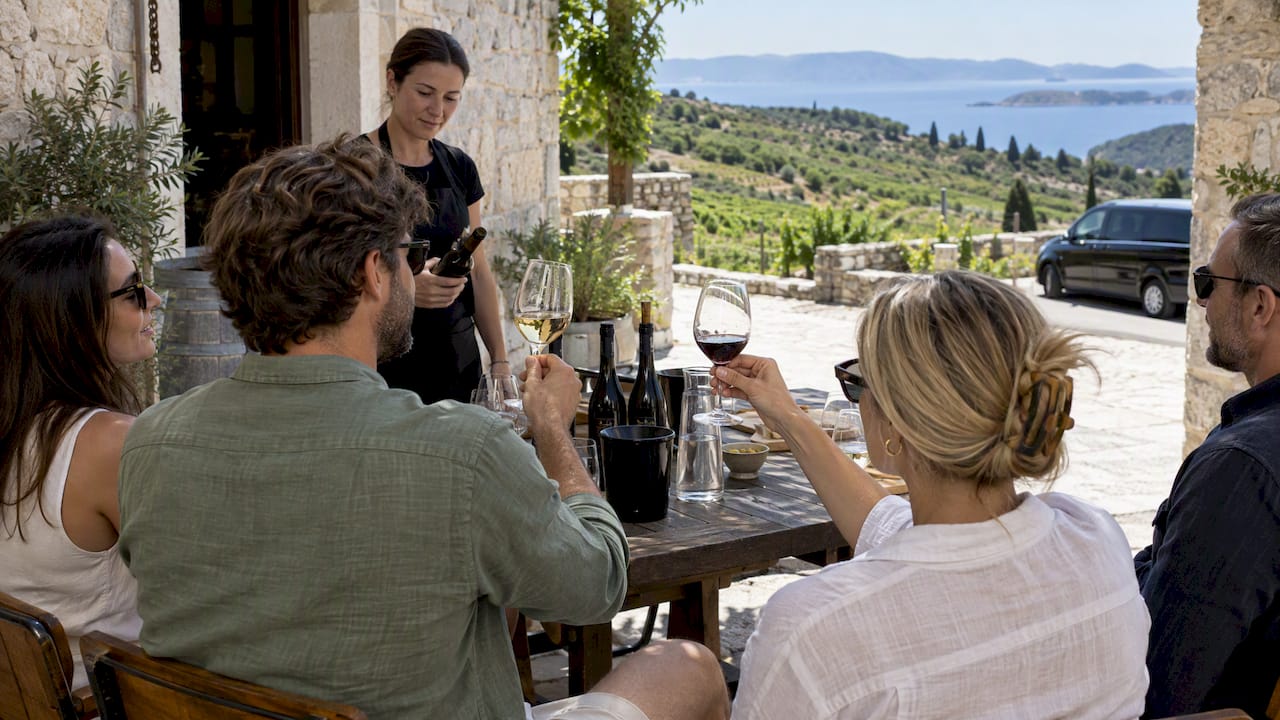
- Activities: Which experiences are non-negotiable? Wine tasting at a Pelješac vineyard, swimming at Krka Waterfalls, or a guided walk through Diocletian’s Palace in Split?
- Pace: Do you prefer a relaxed morning start with long lunches, or an early departure to beat the crowds at Plitvice Lakes?
- Group needs: Are there children, older travelers, or anyone with mobility considerations in your group?
- Cuisine: Are there dietary restrictions or specific food experiences you want built into the day?
- Flexibility: Which parts of the itinerary are fixed and which can shift if conditions change?
Stating what is fixed vs. flexible saves significant back-and-forth during the booking process. Guides who know your hard limits can design around them rather than discovering them mid-draft.
Pro Tip: Tier your requests as “must have,” “would love,” and “if time allows.” This gives your guide a clear negotiation framework and speeds up the revision process considerably.

2. Ensuring your custom itinerary is feasible and well-paced
A beautiful itinerary on paper can collapse on the ground if it ignores operational realities. Itineraries must be validated against seasonal closures, actual transport schedules, and booking requirements rather than built on inspiration alone. Plitvice Lakes, for example, requires timed entry tickets that sell out weeks in advance during peak summer months.
Pacing is where most custom tours quietly fail. Marketing pace and actual trip pace often differ significantly. Ask your guide specifically how tour time is allocated between moving and stops. A four-hour tour might include ninety minutes of driving, leaving far less time at each location than the brochure implies.
Practical feasibility checks to run before finalizing any itinerary:
- Confirm opening hours and seasonal schedules for every attraction
- Verify that transport connections exist on your actual travel dates
- Check whether timed entry or advance booking is required
- Group activities by geographic location to cut transit time and reduce fatigue
- Confirm restroom availability and seating options if stamina is a concern
Stop-level time estimates and queue details let planners rebalance days before commitment, avoiding day-of frustrations. That level of detail separates a well-crafted itinerary from a generic one.
Pro Tip: If anyone in your group has mobility needs, ask your guide to validate the route for step-free access, elevator availability, and accessible restroom locations before you confirm the booking.
3. Building in buffer time the right way
Buffer time is the most underused tool in custom tour planning. Buffers work best when placed immediately before dependency points like check-ins, meals, and departures rather than as vague open time scattered through the day. A fifteen-minute buffer before a ferry departure absorbs a parking delay. The same fifteen minutes placed mid-morning absorbs nothing useful.
Proper buffer placement prevents cascading schedule failures and reduces travel stress. When one activity runs long and there is no buffer before the next fixed commitment, the entire afternoon unravels. Place your buffers strategically and your day stays intact even when things run late.
A practical rule: add a buffer before every timed commitment and every transition between locations. That includes restaurant reservations, boat departures, and guided entry slots. Treat those buffers as protected time, not optional padding.
4. Step-by-step workflow for refining your custom tour
Custom tour planning follows a predictable workflow when you approach it with the right information ready. Share your destination, travel dates, group size, budget range, and top priorities with your planner from the first contact. Initial itinerary drafts typically arrive within 48 hours of sharing those details, enabling efficient refinement cycles from the start.
The workflow generally moves through these stages:
- Submit your brief. Provide destination, dates, group profile, budget, and your tiered priority list.
- Review the first draft. Check pacing, geographic logic, and whether your must-haves are included.
- Lock your booking anchors. Confirm flights, accommodations, and timed tours first. Booking anchors first prevents planning failures around infeasible attractions later.
- Iterate on the details. Adjust activity order, meal stops, and pace until the plan fits your group.
- Confirm pricing transparency. Ask about included vs. additional costs before committing. Guiding fees, entrance tickets, and meals are often separate line items.
- Finalize and secure. Sign off on the confirmed itinerary and pay any required deposit to lock premium options.
Revision flexibility matters most in the early stages. The closer you get to your travel dates, the fewer premium options remain available. Engaging a specialist like Croatia-private-transfers early gives you access to the best vehicles, guides, and timed entry slots before they fill.
5. Common pitfalls in custom tour planning and how to avoid them
Most custom tour disappointments trace back to a small set of avoidable mistakes. Recognizing them before you plan is far easier than recovering from them on the road.
- Over-relying on AI-generated itineraries. AI tools like ChatGPT can generate plausible-looking plans, but they cannot verify current opening hours, real transport schedules, or whether a specific guide is available. Always validate AI suggestions against live sources.
- Failing to confirm transport on actual travel days. Ferry and bus schedules in Croatia change seasonally. A connection that works in july may not run in october. Confirm every link in the transport chain for your specific dates.
- Skipping accessibility details. Concrete accessibility specifications like step-free routes, seating breaks, and stroller access must be confirmed before booking, not assumed. Good guides verify elevator access and restroom availability in advance.
- Leaving no buffer before fixed commitments. A single late start can push every subsequent activity past its window. Buffer time before timed events is not optional for a well-functioning day.
- Under-communicating constraints. Assuming guides will guess your limits causes stress. State your constraints explicitly: maximum walking distance, preferred meal times, hard stop times, and any non-negotiable rest periods.
The pattern across all five pitfalls is the same. Vague communication and unvalidated assumptions create gaps that surface at the worst possible moment. Specificity is the fix.
Key takeaways
The most effective custom tours are built on specific, tiered priorities communicated clearly before the first draft, with every itinerary validated against real-world schedules and paced with deliberate buffers before fixed commitments.
| Point | Details |
|---|---|
| Define priorities in tiers | Separate must-haves from nice-to-haves before contacting any guide or planner. |
| Validate against reality | Confirm opening hours, transport schedules, and booking requirements for your actual travel dates. |
| Place buffers strategically | Put buffer time immediately before timed commitments, not as vague open time mid-day. |
| Lock anchors first | Confirm flights, accommodations, and timed tours before finalizing flexible activities. |
| Communicate constraints explicitly | State accessibility needs, pace preferences, and hard limits in writing from the first contact. |
What I have learned from years of custom tour planning in Croatia
Clear communication is not just a courtesy in custom tour planning. It is the single variable that separates a curated, memorable experience from a frustrating one. I have seen beautifully designed itineraries fall apart because a traveler assumed their guide would intuit that the group needed a slow morning, or that a particular stop was non-negotiable. Guides are skilled professionals, not mind readers. The more specific your brief, the better the result.
The vague request problem shows up most often with pacing. A traveler says they want a “relaxed” day, and the guide builds a plan that covers four locations in eight hours. Both parties thought they were aligned. They were not. Asking specifically about moving time versus stopped time, and naming your preferred number of stops, closes that gap immediately.
I am also skeptical of itineraries built entirely from AI tools without local validation. The plans look polished, but they regularly include attractions that require advance booking, transport connections that do not exist on certain days, or walking distances that are unrealistic for a family with young children. AI is a useful starting point for generating ideas. Local knowledge is what makes those ideas work on the ground.
The travelers who get the most from their custom tours engage a specialist early, share a detailed brief, and treat the first draft as a conversation starter rather than a finished product. That mindset, combined with the practical tips above, produces the kind of tailored travel experience that stays with you long after you return home.
— Croatia
Plan your custom Croatia tour with Croatia-private-transfers
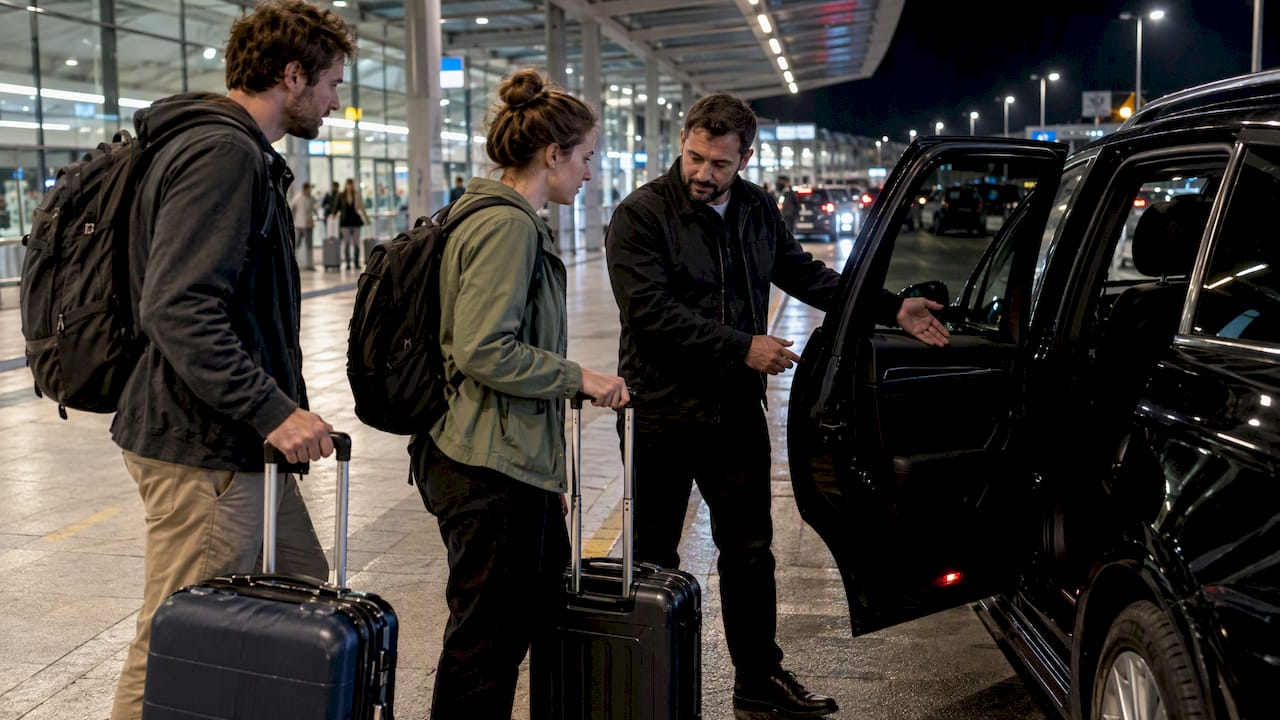
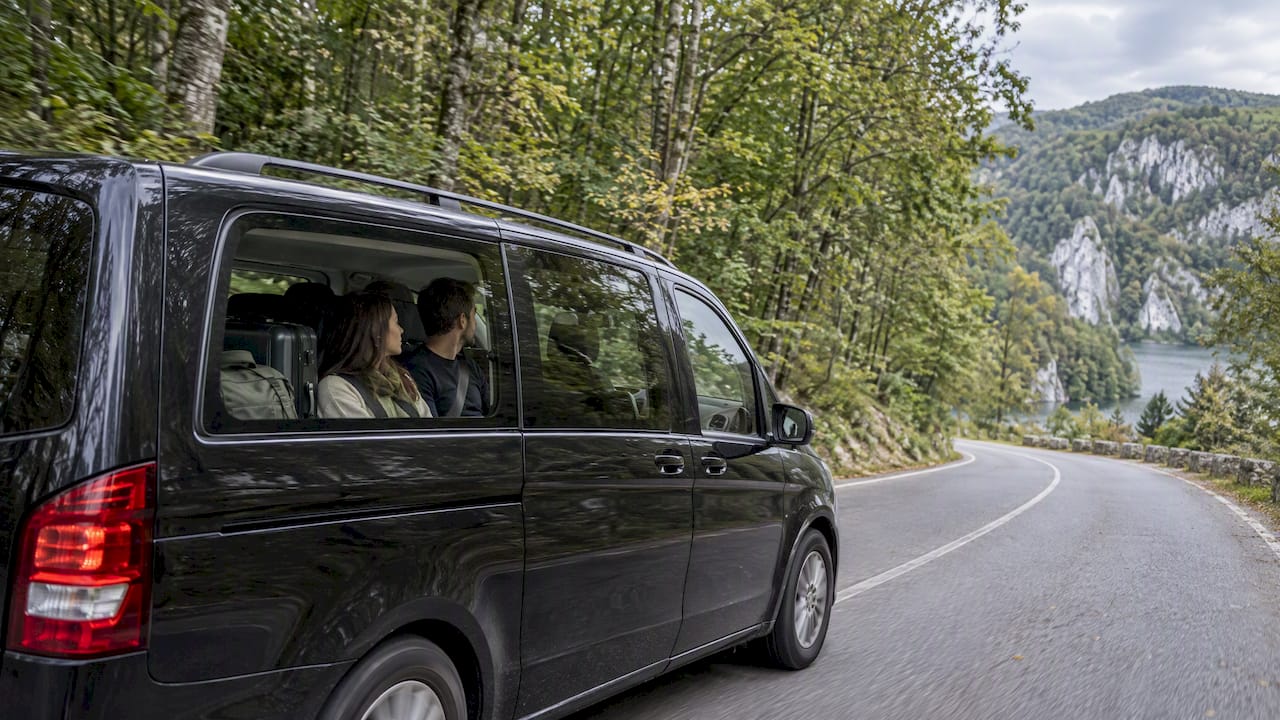
Croatia-private-transfers specializes in exactly the kind of personalized, expertly paced travel experiences this article describes. From private airport transfers in modern Mercedes vehicles to fully tailored day trips along the Dalmatian coast, every detail is handled by licensed, English-speaking local guides who know the terrain, the schedules, and the hidden details that make a day exceptional.
Travelers planning a visit to Plitvice Lakes, Dubrovnik’s Old Town, or the Pelješac wine region can browse private day tours in Croatia built around their specific interests and group needs. Pricing is transparent, itineraries are flexible, and early booking secures the best guides and vehicles before peak-season availability closes. For travelers who want the full picture on what premium private travel looks like, the guide to luxury travel in Croatia covers bespoke tours and private transport in detail.
FAQ
What is a custom tour?
A custom tour is a privately arranged travel experience built around your specific preferences, group needs, and schedule rather than a fixed group itinerary. It gives travelers full control over pace, stops, and activities.
How early should I start planning a custom tour?
Start planning at least four to six weeks before your travel dates for peak-season destinations. Booking anchors like timed entry tickets and premium guides fill quickly, and early engagement gives you the widest range of options.
What information do I need to share with a tour planner?
Share your destination, travel dates, group size, budget range, accessibility needs, and a tiered list of priorities. Initial drafts typically arrive within 48 hours of providing those details.
How do I know if my itinerary is realistic?
Validate every attraction against current opening hours, transport schedules for your specific travel dates, and any advance booking requirements. Grouping activities geographically and adding buffers before timed commitments are the two most reliable ways to confirm feasibility.
What should I ask a guide before booking?
Ask how tour time is divided between moving and stops, what costs are included versus additional, and whether the route accommodates any accessibility needs your group has. Confirming included costs before committing prevents unexpected expenses on the day.