
Wine Tasting Tour Examples: 10 Curated Itinerary Ideas
The most useful wine tasting tour examples pair a clear activity type with a realistic duration and a traveler profile. Here are ten to start from:
- Seated estate tasting, Napa Valley — 2–3 hours; best for first-timers and couples wanting a polished, guided introduction to Cabernet Sauvignon
- Tasting-room crawl, Sonoma County — half-day; best for social groups who enjoy variety and a relaxed, road-trip feel across Dry Creek or Russian River
- Blend-your-own workshop, Willamette Valley — 2–3 hours; best for curious travelers who want hands-on engagement with Pinot Noir
- Cellar or cave tour, Finger Lakes — 1.5–2 hours; best for history-minded visitors who want the geology and winemaking story alongside the glass
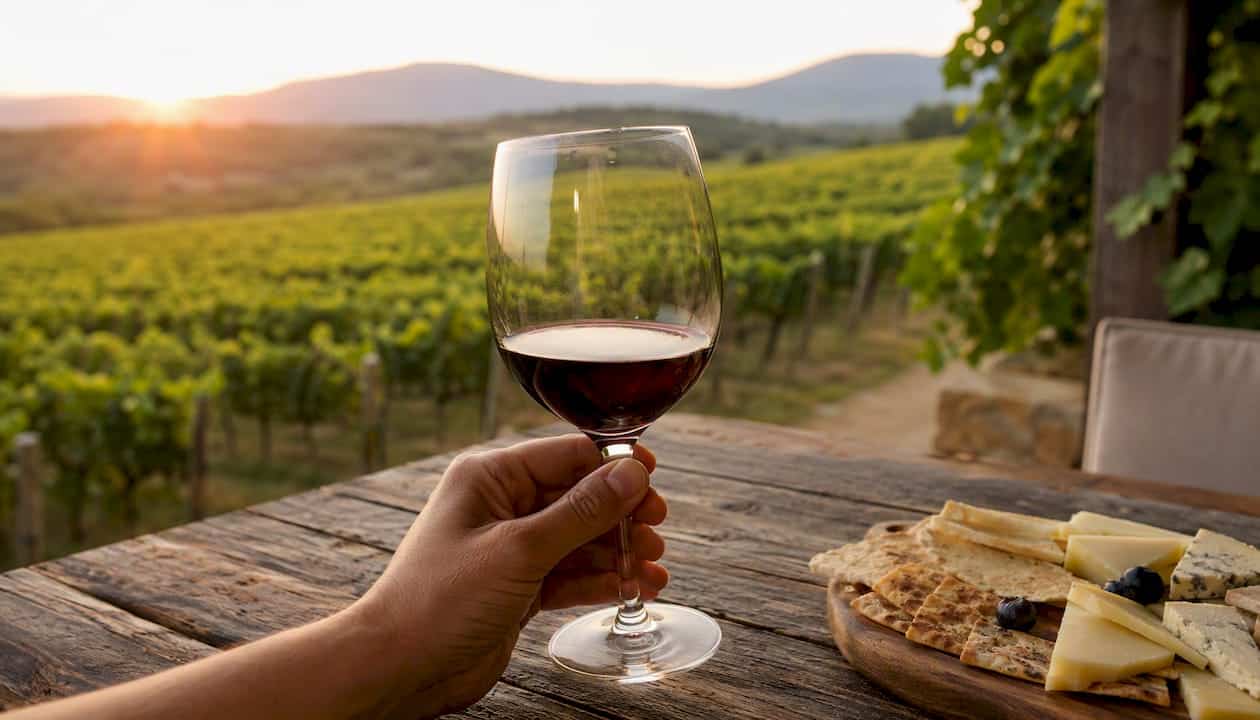
- Vineyard picnic tasting, Paso Robles — 2–3 hours; best for couples and families seeking a relaxed, scenic afternoon with Rhône-style varieties
- Late-harvest or icewine tasting, Niagara (U.S. side) — 1.5–2 hours; best for dessert-wine lovers and those visiting in late fall or winter
- Immersive food-and-wine pairing lunch, Santa Barbara / Santa Ynez — 3–4 hours; best for foodies who want Chardonnay and Pinot Noir matched course by course
- Hot-air balloon ride with tasting, Napa Valley — half-day; best for occasion travelers and adventurous couples
- Self-guided walking tasting row, Walla Walla — 2–3 hours; best for independent travelers who prefer exploring at their own pace
- Multi-day slow-wine trip, Burgundy (France) — 3–4 days; best for serious enthusiasts who want terroir depth across Chablis, Côte de Nuits, and Côte de Beaune
Each example above becomes a full itinerary once you layer in timing, transport, and regional context. The sections below give you exactly that.
Key Takeaways
The most rewarding wine tasting tours combine a clear tour type, a focused sub-region, and no more than 2–3 winery visits per day, booked 2–4 weeks ahead for prestige estates.
| Point | Details |
|---|---|
| Limit daily visits | Two to three wineries per day protects your palate and keeps the experience relaxed and memorable. |
| Book prestige estates early | Top producers in Napa, Finger Lakes, and Burgundy require reservations 2–4 weeks ahead, especially during harvest. |
| Match tour type to your style | Choose from seated tastings, blending workshops, cellar tours, picnic tastings, or unique formats like balloon rides based on your group’s interests. |
| Budget by experience tier | Tasting fees range from $15–$40 for casual walk-ins to $80–$150+ for premium seated or cellar experiences at prestige estates. |
| Croatia-private-transfers | A private chauffeured wine day removes all transport logistics, giving your group the freedom to taste, buy, and linger without anyone watching the road. |
Table of Contents
- What wine tasting tour examples actually look like across tour types
- Sample itineraries by length you can copy and adapt
- U.S. wine regions and a handful of international ideas
- How to plan a wine tour from scratch: a practical checklist
- Expert-backed tips for a more meaningful wine trip
- What a well-paced two-day wine trip actually feels like
- Private chauffeured wine days, done the right way
- Sources
What wine tasting tour examples actually look like across tour types
Wine tasting experiences span a much wider range than most travelers expect. Knowing the format before you book shapes everything from what to wear to how long to budget.
Seated estate tasting
The most common format: a guide walks a small group through four to six wines in a dedicated tasting room, often with a view of the estate’s own vineyards. Napa Valley’s prestige estates, such as those along the Silverado Trail, typically charge $40–$150+ per person for this experience, with sessions running 60–90 minutes. Group sizes tend to stay under twelve. This format suits first-timers because the guide controls the narrative and explains each wine in context.
Pro Tip: Book a seated estate tasting for your first stop of the day, when your palate is freshest and you can absorb the winemaker’s story without rushing.
Blending workshop
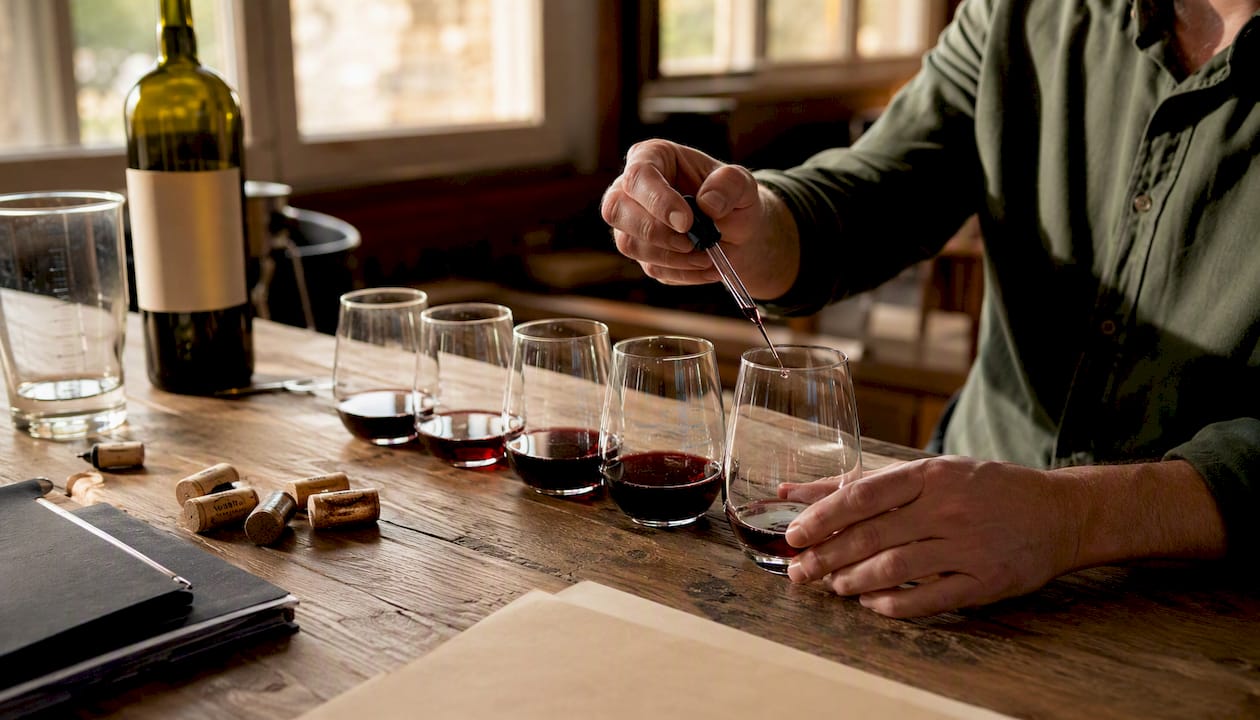
A winemaker or educator walks you through component varietals, then lets you assemble your own blend and bottle it to take home. Willamette Valley producers in the Dundee Hills and Eola-Amity Hills sub-regions offer this format with Pinot Noir components. Sessions run 2–3 hours and typically cost $75–$150 per person. The Willamette Valley three-day itinerary recommends pairing a blending session with a hilltop estate visit on the same day for contrast.
Cellar or cave tour
Underground barrel halls and carved-rock cellars appear across the Finger Lakes, Champagne, and parts of California. The tour traces the winemaking process from fermentation tanks to aging caves before ending with a barrel sample or library pour. Finger Lakes producers on Seneca and Keuka lakes offer cellar tours for $10–$40, and high-demand producers there request reservations 2–4 weeks ahead during peak season.
Vineyard picnic tasting
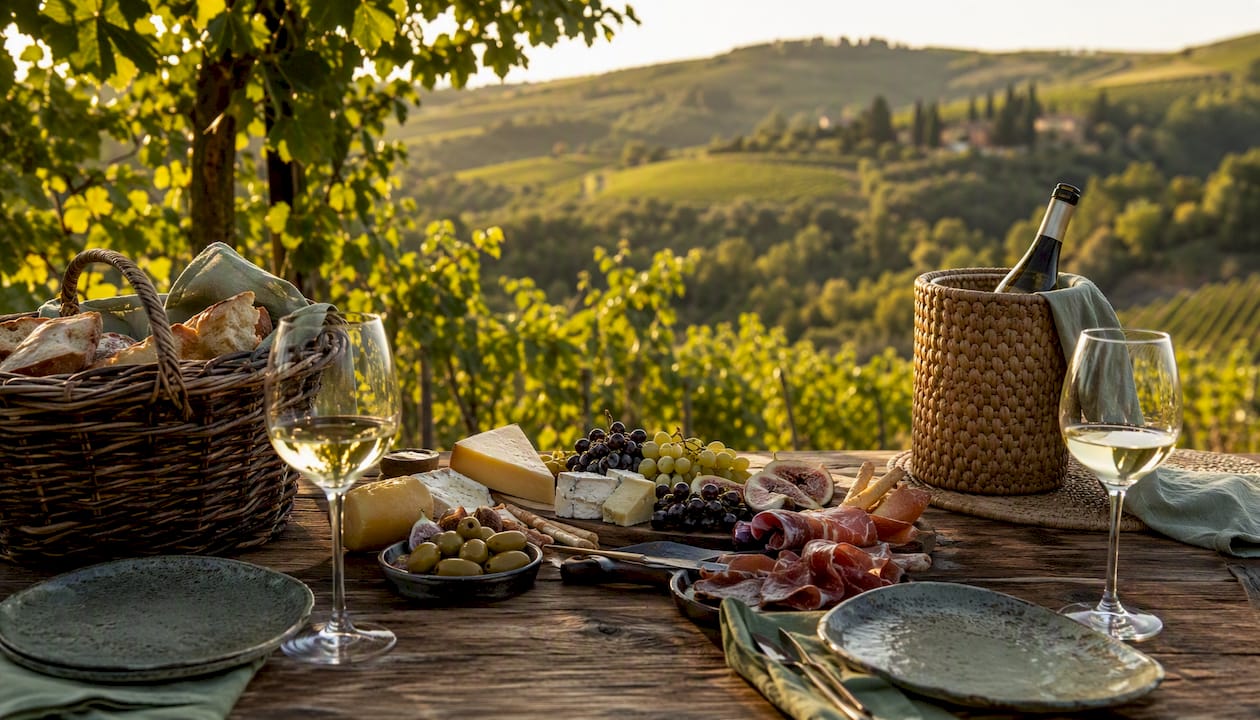
A hamper of local cheeses, charcuterie, and seasonal produce arrives at a table set among the vines. Paso Robles and Santa Ynez Valley wineries do this particularly well with Rhône varieties like Grenache and Syrah. Duration is typically 2–3 hours; cost varies from $50 to $120 per person including food. The unhurried format makes it ideal for groups traveling with children or anyone who finds a formal tasting room too structured.
Tasting-room crawl
Sonoma County’s road-trip culture is built around this format. You select several tasting rooms along one road corridor — Dry Creek Valley, Alexander Valley, or Russian River — and visit multiple stops in an afternoon. Sonoma County Tourism recommends using a chauffeur service or a designated driver for multi-stop days, since many rooms are appointment-only and the driving distances between clusters add up quickly.
Pro Tip: For a tasting-room crawl, choose one road corridor and stay on it. Crossing between AVAs mid-day costs you 30–45 minutes of driving and breaks the varietal narrative you’re building.
Late-harvest and icewine tasting
Niagara’s U.S.-side producers and select Finger Lakes estates offer late-harvest Riesling and icewine flights in fall and winter, when the grapes have concentrated naturally on the vine. Sessions generally last about an hour to an hour and a half and focus on sweetness levels, acidity balance, and food pairing. These tastings are smaller and quieter than summer visits, which makes them ideal for travelers who want longer conversations with the winemaker.
Immersive food-and-wine pairing
Santa Barbara and Santa Ynez Valley producers have built a strong reputation for multi-course pairing lunches that match estate Chardonnay and Pinot Noir to locally sourced dishes. These run 3–4 hours and cost $100–$200+ per person. The format works best as the centerpiece of a full day rather than one stop among several.
Unique-activity pairings: balloon, boat, and VR
A global roundup of unique winery experiences highlights hot-air balloon rides over Napa Valley followed by a sparkling wine breakfast, underground cellar labyrinth tours in Europe, and VR winery visits that simulate a harvest walk before the tasting begins. These formats usually command premium pricing and require booking weeks in advance, delivering a sensory experience beyond that of a standard tasting room. For occasion travelers — anniversaries, milestone birthdays — they are worth the extra planning.
Sample itineraries by length you can copy and adapt
Pacing is the single factor most travelers get wrong. Limiting yourself to 2–3 winery visits per day keeps the experience relaxed, protects your palate, and leaves room for the long lunch that often becomes the day’s highlight.
Half-day tasting row (3–4 hours)
Arrive at your first tasting room by 10:00 AM, before the midday rush. Spend 60–75 minutes at a seated estate tasting, then walk or drive five minutes to a second producer for a shorter, stand-up flight. Finish with a light lunch at a winery café or a nearby farm-to-table spot. Total cost: $60–$120 per person including fees and lunch. Best for: travelers with an afternoon flight or those adding wine to a broader sightseeing day.
Full-day estate tour (6–7 hours)
- 9:30 AM — Arrive at a prestige estate for a 90-minute seated tasting; book this 2–4 weeks ahead
- 11:30 AM — Short drive to a second producer for a cellar tour or blending workshop
- 1:00 PM — Long lunch at a vineyard restaurant (budget 90 minutes; this is not a stop to rush)
- 3:00 PM — Optional third visit: a relaxed, walk-in tasting room for contrast
- 5:00 PM — Return transfer or drive back
Per-person cost estimate: $120–$250 including tasting fees, lunch, and a private driver share.
Two-day sub-region focus
Day one anchors on one sub-region’s flagship estates; day two explores a neighboring appellation for contrast. In Willamette Valley, Dundee Hills is often the focus on day one and Eola-Amity Hills plus Carlton on day two, with moderate tasting fees per stop. In Finger Lakes, Seneca Lake producers on day one and Keuka Lake on day two. Two days in one sub-region consistently produces deeper understanding than a single rushed day across multiple AVAs.
Three-day multi-AVA exploration
A three-day Napa Valley plan works well with one higher-tier estate anchoring each day, a second visit for contrast, and a rest afternoon built in. Winetravelguides.com’s three-day Napa itinerary recommends booking top estates 2–4 weeks ahead, with tasting fees ranging from $40 to $150+ depending on the experience tier.
Relaxed weekend slow-wine template
Two days, one sub-region, no more than two stops per day. Morning tasting, long lunch, afternoon walk through the vines, evening at a local inn. This template prioritizes depth over quantity and suits travelers who want to remember what they drank rather than how many places they visited.
U.S. wine regions and a handful of international ideas
U.S. hotspots
- Napa Valley, California — The benchmark for American Cabernet Sauvignon and Bordeaux-style blends. A seated estate tasting on the Silverado Trail runs $40–$150+; visit in September for harvest energy, or April–May for quieter appointments and green vine scenery.
- Sonoma County, California — More casual than Napa and far more varied: Pinot Noir in Russian River Valley, Zinfandel in Dry Creek, Cabernet in Alexander Valley. Map your day by road cluster and use a designated driver or chauffeur service for multi-stop afternoons.
- Willamette Valley, Oregon — Oregon’s spiritual home of Pinot Noir, with sub-regions that each express the grape differently. Tasting fees run $15–$45; the three-day itinerary covering Dundee Hills, Eola-Amity, and McMinnville is a reliable template for a first visit.
- Finger Lakes, New York — Riesling is the star, though Cabernet Franc and Pinot Noir have grown significantly in quality. Organize by lake: Seneca and Keuka offer the densest concentration of producers. Tasting fees typically run $10–$40; reserve top-tier producers 2–4 weeks ahead in summer.
- Walla Walla, Washington — A compact, walkable downtown tasting district makes this one of the most self-guided-friendly wine towns in the U.S. Syrah, Cabernet Sauvignon, and Merlot dominate. Visit in late spring or early fall for the best combination of weather and open tasting rooms.
- Paso Robles, California — Rhône varieties thrive here: Grenache, Syrah, Mourvèdre, and Viognier. The region’s relaxed agricultural character suits vineyard picnic tastings and longer, unhurried afternoons. Tasting fees are generally lower than Napa, often $20–$60.
- Santa Barbara / Santa Ynez, California — Made famous by the film Sideways, this region delivers Pinot Noir and Chardonnay with a coastal freshness. The Santa Ynez Valley’s Danish-influenced town of Solvang adds a cultural layer to a wine day. Pairing lunches here are among the best in California.
- Niagara (U.S. side, New York) — Ice wine and late-harvest Riesling are the draws, particularly in fall and winter. The region sits close to Niagara Falls, making it easy to combine with a broader upstate New York trip. Tasting rooms are smaller and more intimate than their California counterparts.
International inspiration
Burgundy, France — A four-day plan covering Chablis, Côte de Nuits, Côte de Beaune, and Côte Chalonnaise gives far more context than a Beaune-only weekend. Small domaines here book out quickly; a professional tour service can unlock family producers that don’t advertise publicly.
Santorini, Greece — Assyrtiko grown in volcanic soil produces some of the world’s most mineral-driven whites. Sunset tastings overlooking the caldera are a genuine experience, not just a backdrop. Combine with a boat transfer between villages for a wine-and-landscape day that’s hard to replicate anywhere else.
Niagara, Canada (cross-border idea) — The Ontario side of Niagara is one of the world’s premier icewine regions. If you’re visiting the U.S. side, crossing the border for a half-day adds a genuinely different wine style to your trip. For travelers who enjoy combining wine with other curated activities, pairing a wine day with a golf trip is a format that works well in several European destinations too.
How to plan a wine tour from scratch: a practical checklist
Good wine tasting experiences don’t happen by accident. The planning decisions you make three weeks before arrival shape the entire day.
Step-by-step planning checklist
- Define your wine style — Know whether you want bold reds, aromatic whites, sparkling, or dessert wines before choosing a region. This single decision narrows your destination list immediately.
- Choose a region and sub-region — Pick one sub-region per day, not one region per day. The difference between Dundee Hills and Eola-Amity Hills in Willamette Valley is as significant as the difference between two separate appellations.
- Research producers — Identify two anchor estates (prestige or highly rated) and one or two contrast stops (smaller, walk-in-friendly). Use Wine Enthusiast, Wine Spectator, or regional tourism boards to build your shortlist.
- Book appointments — Contact prestige estates 2–4 weeks ahead, especially during harvest season (late August through October in most U.S. regions). Many top producers require reservations and charge non-refundable tasting fees.
- Reserve lunch — A winery restaurant or a nearby farm-to-table spot should be booked at the same time as your tastings. Lunch is not an afterthought; it resets your palate and anchors the day.
- Arrange transport — Decide between a designated driver, a private chauffeur, or a guided tour vehicle before you finalize your stop list. Driving between tasting rooms after three or four pours is neither safe nor legal.
- Confirm policies — Check cancellation terms, group size limits, accessibility, and whether food is served at each stop.
Questions to ask when booking
- What is the cancellation policy, and is the tasting fee refundable?
- What is the maximum group size for this experience?
- Is food served, or should we arrive having eaten?
- Is the venue wheelchair accessible?
- Is parking available, or do you recommend a drop-off point?
- Can we purchase bottles to take away, and is there storage or chilling available?
Budget reference
| Experience tier | Typical tasting fee | Notes |
|---|---|---|
| Walk-in / casual | $15–$40/person | Finger Lakes, Paso Robles, Willamette Valley |
| Seated / guided | $40–$150+/person | Sonoma, Santa Barbara, Walla Walla |
| Premium / cellar | $40–$150+/person | Napa Valley prestige estates |
| Private chauffeured day | $120–$250/person | Includes driver, flexibility, bottle storage |
Etiquette and packing notes
- Wear neutral or light-colored clothing; red wine splashes are a real hazard
- Avoid heavy perfume or cologne, which interferes with aroma evaluation for you and other guests
- Spitting is accepted and encouraged at professional tastings; use the provided vessel without hesitation
- Tipping a tasting-room host $5–$10 per person is customary when the experience was personalized
- Bring a small cooler bag or ask your driver to store purchased bottles out of direct sunlight
- A small notebook or tasting app (Vivino, CellarTracker) helps you remember what you actually liked
Expert-backed tips for a more meaningful wine trip
The most experienced wine travelers share one habit: they slow down. Wine-country guides and operators consistently recommend allowing 45 minutes or more per seated tasting, not because the wine demands it, but because the conversation that opens up after the formal pour is where the real education happens.
The case for slow wine travel
Fewer stops with longer engagement produces better recall and richer conversations with hosts than a quantity-focused crawl. A two-day focused sub-region trip almost always outperforms a frenetic multi-AVA dash. You leave knowing the producers, the soils, and the vintage story rather than a blur of tasting notes. The Willamette Valley itinerary approach treats each sub-region as a full chapter, not a bullet point.
Practical insider tips
- Reference a specific wine in your booking request. Mentioning a producer’s single-vineyard bottling or a recent vintage you’ve read about signals genuine interest and often earns you a longer, more candid conversation with the winemaker.
- Choose an off-peak tasting time. Booking the first slot of the morning (10:00–10:30 AM) or a late-afternoon slot (4:00–4:30 PM) puts you in the room when staff are least rushed and most willing to open an extra bottle.
- Treat wine country as working agriculture. During harvest, typically late August through October in European zones, tastings can be canceled at short notice when production needs spike. Build flexibility into your schedule and confirm appointments 48 hours before arrival.
- Ask for a winemaker meet-and-greet when booking. Many small estates will arrange a brief introduction if asked politely in advance; this is rarely offered spontaneously but almost never refused.
- Book with a professional service for family-run estates. Small domaines in Burgundy and comparable regions often don’t advertise publicly. A knowledgeable tour operator or private driver with local contacts can unlock doors that a direct booking request cannot.
Pro Tip: When visiting during harvest, always have a backup stop in mind. Harvest-season cancellations are common and rarely the producer’s fault. A flexible itinerary with one confirmed walk-in option protects the whole day.
What a well-paced two-day wine trip actually feels like
Picture two travelers arriving in Sonoma County on a Friday afternoon. They’ve booked a private driver for both days, which means the first decision of the morning is simply which glass to pick up. Day one centers on Russian River Valley: a 10:00 AM seated tasting at a small Pinot Noir estate, where the host spends twenty minutes on the vineyard’s fog-line history before pouring a single barrel sample that wasn’t on the menu. Lunch follows at a farm restaurant nearby, unhurried, with a glass of the estate’s Chardonnay alongside local oysters.
The afternoon brings one more stop, a contrast tasting at a Dry Creek Zinfandel producer, chosen specifically because it tells a different soil story. By 5:00 PM, they’re back at their inn with two bottles in the trunk and a clear sense of what they actually prefer. Day two follows the same rhythm in Alexander Valley, anchored by one prestige estate and one smaller, walk-in producer. No palate fatigue. No rushed lunches. No arguments about who’s driving.
That is what the slow-wine approach delivers: not fewer experiences, but more memorable ones. Choosing a private wine tour format removes every logistical friction point and lets the wine, the landscape, and the conversation take the foreground.
Private chauffeured wine days, done the right way
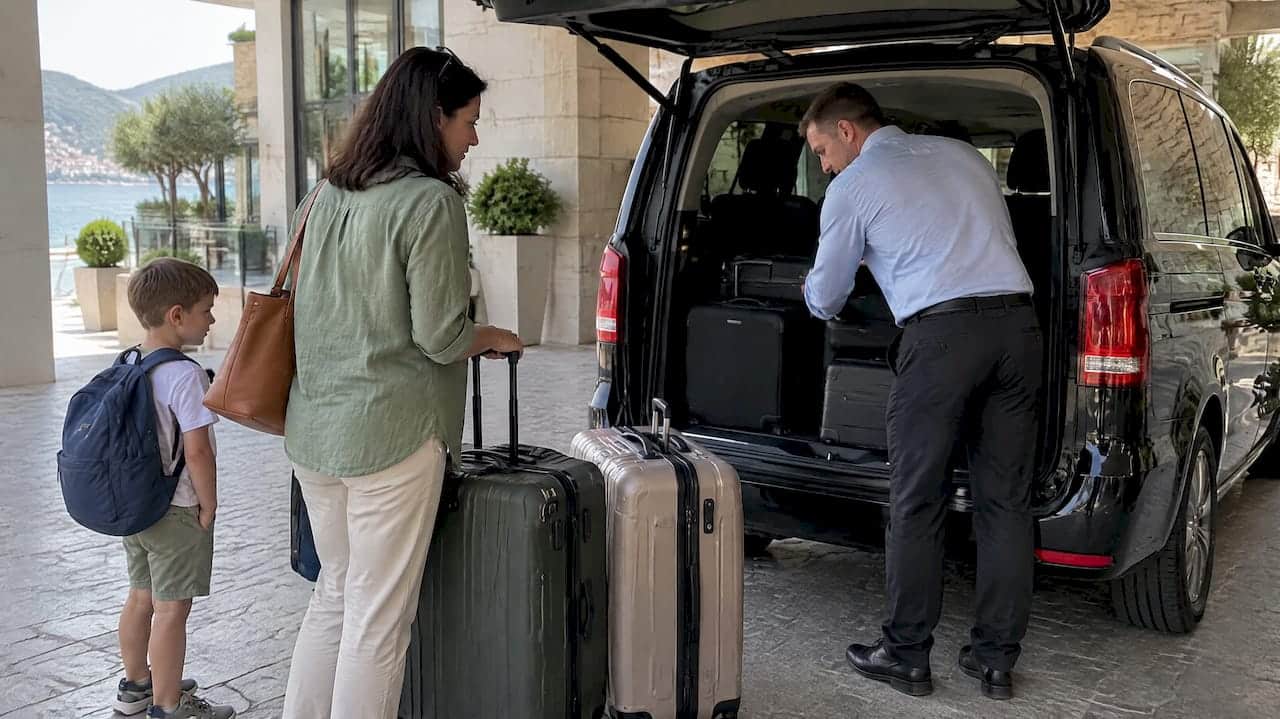
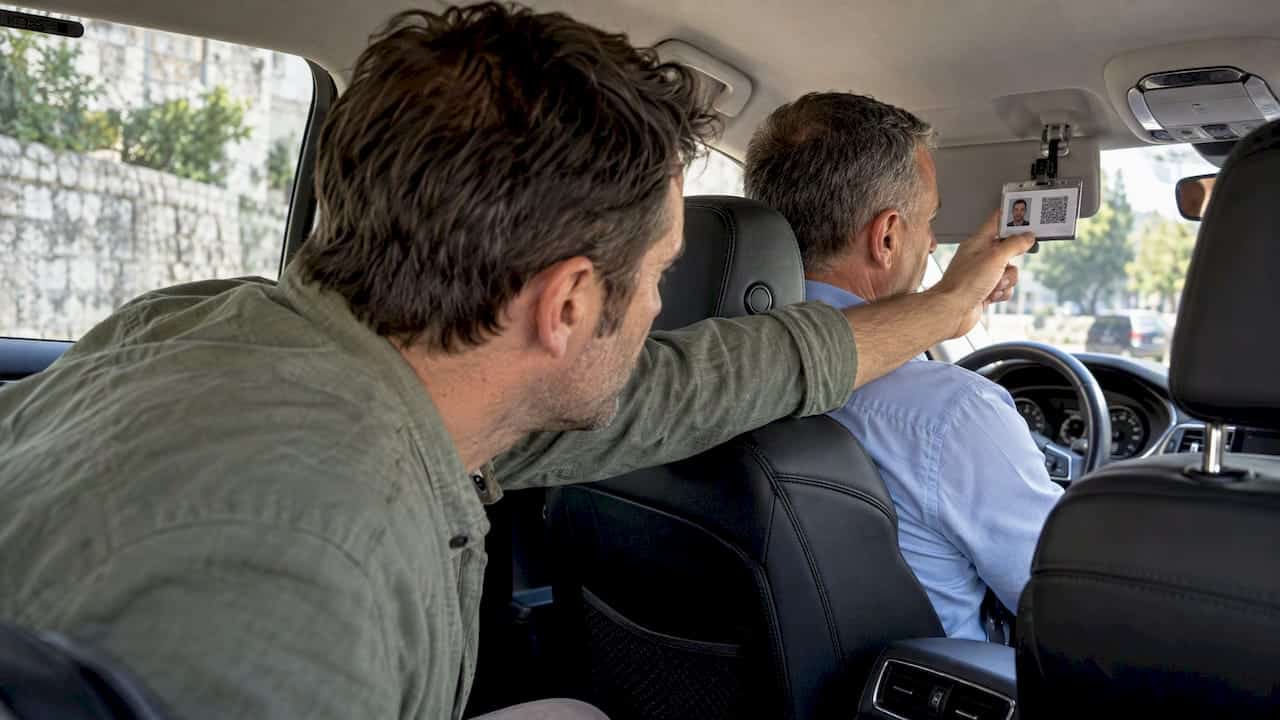
For travelers who want the itineraries above without the logistics, a private chauffeured wine day removes the single biggest friction point: transport. Croatia-private-transfers offers door-to-door private transfers and fully customized tour days with English-speaking drivers in premium Mercedes vehicles, giving you the freedom to taste without watching the clock or the road.
The practical advantages are concrete. Your driver knows the road clusters, the parking constraints at prestige estates, and the fastest route between sub-regions. Purchased bottles travel safely in a climate-controlled trunk rather than a hot rental car. Your group stays together, arrives on time, and leaves when you’re ready, not when a shared shuttle decides. For a luxury private tour experience that matches the quality of the wines you’re tasting, the chauffeured format is the natural choice. To plan your wine day with Croatia-private-transfers, visit the private transfers page and request a custom itinerary.
Sources
- Winetravelguides
- Winetravelguides
- Burgundy Wine Itinerary (2026): A 4-Day Plan by a Winemaker
- 14 Unique Winery Tours From Around The World – Tasting Table
- Sonoma County Wine Tasting Road Trip Itinerary – Sonoma County Tourism
- Finger Lakes Wine Itinerary: 2-3 Day Plan (2026)