

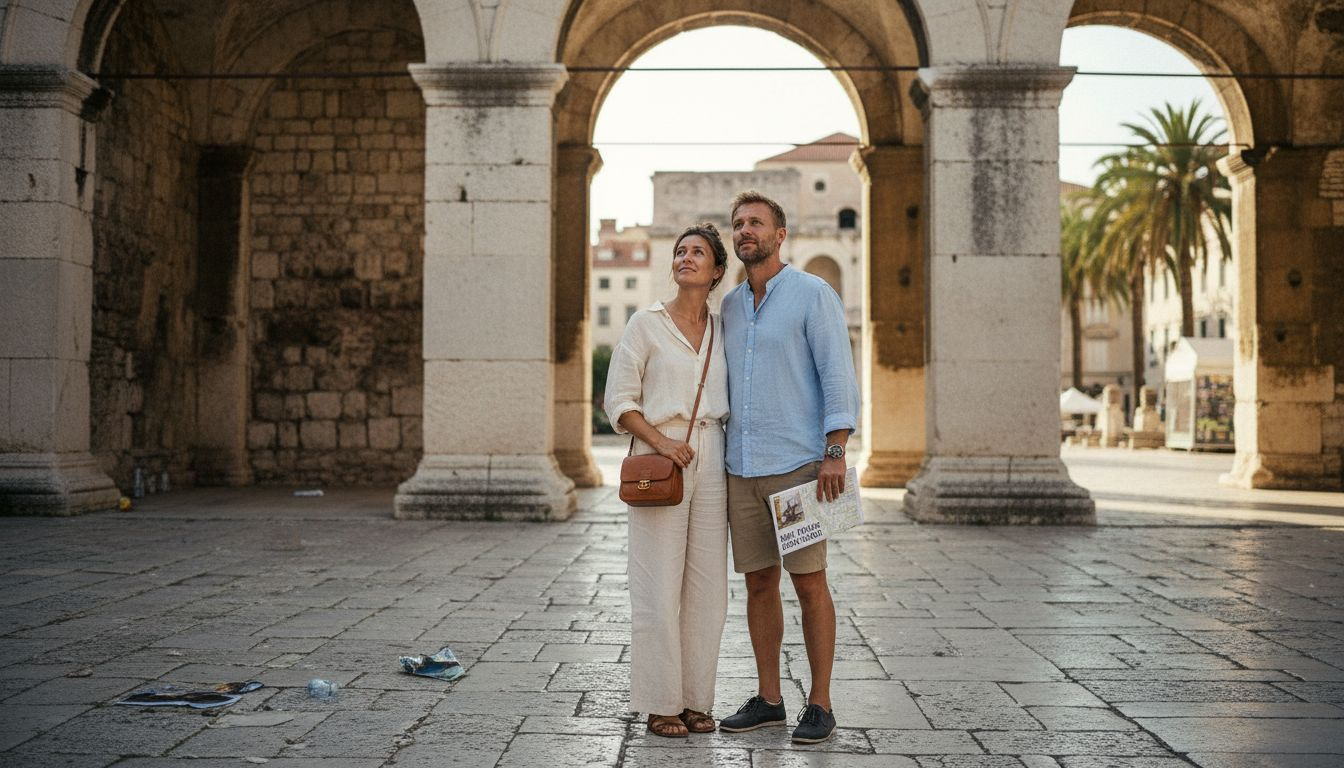
Why Visit UNESCO Sites in Croatia: Heritage Meets Luxury
For those who crave more than ordinary sightseeing, Croatia’s ten UNESCO World Heritage Sites invite luxury travelers into a world where history and nature blend effortlessly. These renowned locations, from the ancient walls of Dubrovnik to the pristine wonders of Plitvice Lakes National Park, reflect centuries of profound cultural significance and environmental stewardship. Expect exclusive access, seamless comfort, and deep insights from expert local guides as you explore Croatia’s most celebrated treasures with unmatched sophistication.
Table of Contents
- Unesco Sites In Croatia Defined And Explained
- Types Of Croatian Unesco Attractions And Distinctions
- Cultural And Natural Highlights Worth Experiencing
- Luxury Travel Benefits: Private Tours And Comfort
- Common Missteps Visiting Unesco Sites In Croatia
Key Takeaways
| Point | Details |
|---|---|
| UNESCO Heritage Significance | Croatia has ten UNESCO World Heritage Sites, representing a blend of cultural and natural treasures. These sites showcase the country’s historical richness and biodiversity. |
| Cultural and Natural Divisions | UNESCO sites in Croatia are categorized as cultural or natural heritage, each offering unique experiences and insights into the country’s history and environment. |
| Guided Tours Recommended | To enhance the visit, book guided tours with local experts for deeper historical context and to minimize environmental impact. |
| Planning and Awareness | Avoid common tourist pitfalls by researching site-specific guidelines and considering travel during less crowded times for a more enriching experience. |
UNESCO Sites in Croatia Defined and Explained
Croatia boasts an impressive collection of UNESCO World Heritage Sites that represent the country’s rich historical and natural diversity. Ten remarkable sites showcase Croatia’s exceptional cultural landscapes and environmental treasures, spanning eight cultural locations and two extraordinary natural wonders.
These UNESCO sites reflect Croatia’s profound historical significance and remarkable preservation efforts. The designated locations represent multiple periods of human civilization and natural development, including:
- Historic urban complexes like Diocletian’s Palace in Split
- Medieval walled cities such as Dubrovnik
- Natural landscapes including Plitvice Lakes National Park
- Archaeological sites demonstrating ancient Roman and Venetian influences
The process of UNESCO recognition requires sites to meet stringent criteria demonstrating outstanding universal value. Croatia successfully joined the UNESCO World Heritage Convention in 1992, following its independence, and has since been dedicated to protecting and showcasing these exceptional locations.
The two natural UNESCO sites represent Croatia’s commitment to environmental conservation. Plitvice Lakes National Park, with its cascading waterfalls and interconnected lakes, stands as a prime example of geological and ecological significance. These sites not only protect remarkable landscapes but also serve as critical research and preservation zones for unique ecosystems.
Pro tip: When visiting UNESCO sites in Croatia, book guided tours with local experts who can provide deep historical context and ensure minimal environmental impact.
Types of Croatian UNESCO Attractions and Distinctions
Croatia’s UNESCO World Heritage Sites represent an extraordinary tapestry of cultural and natural treasures, showcasing the nation’s remarkable historical and environmental diversity. These sites are meticulously categorized to highlight Croatia’s most exceptional landscapes, architectural achievements, and historical legacies.
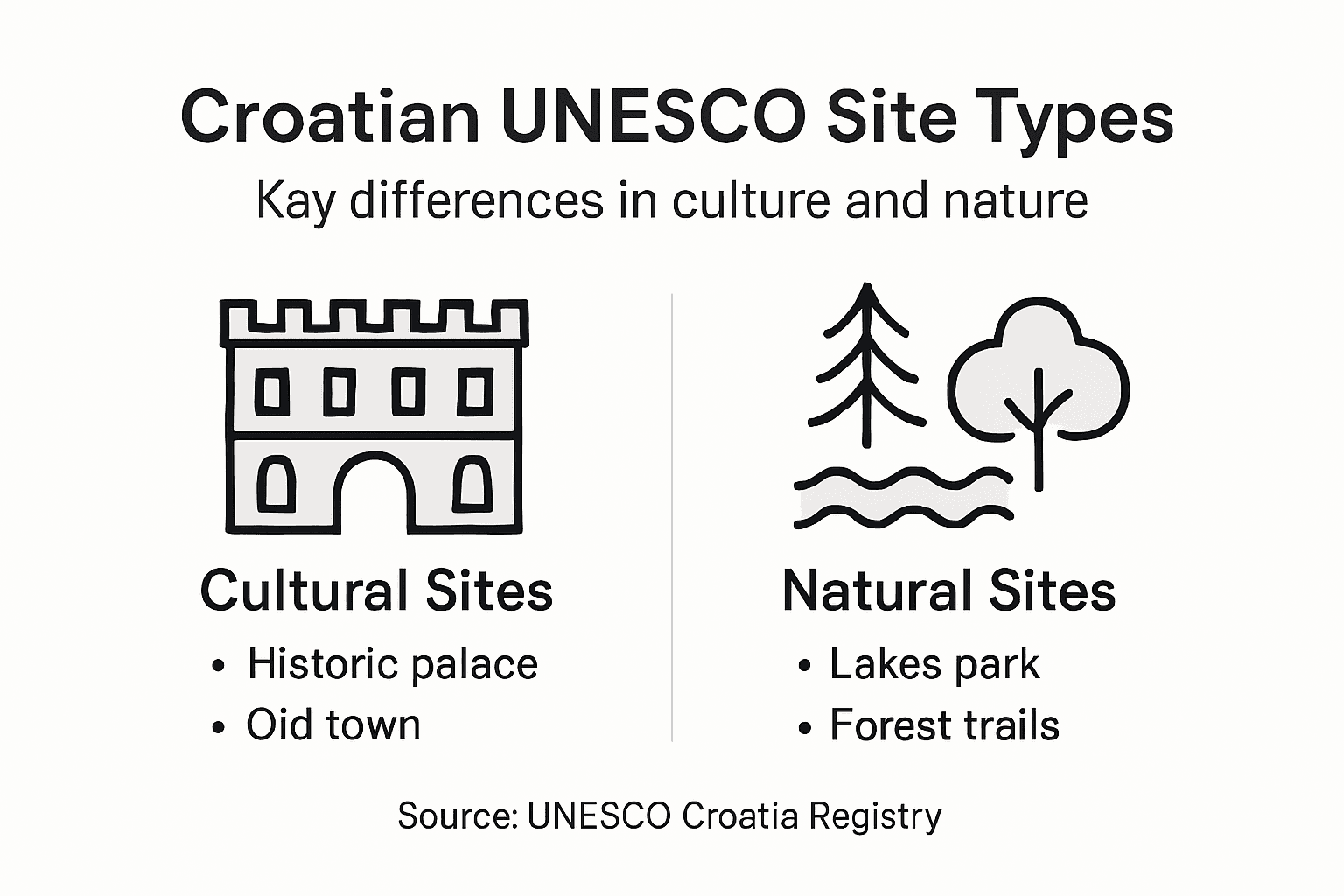
The UNESCO sites in Croatia can be broadly classified into two primary categories:
-
Cultural Heritage Sites:
- Monumental architectural complexes
- Historic urban centers
- Archaeological sites
- Medieval defensive structures
- Remarkable architectural landmarks
-
Natural Heritage Sites:
- National parks
- Unique ecosystem habitats
- Geological formations
- Pristine landscape preserves
Among the most notable cultural sites, Diocletian’s Palace in Split stands as a testament to Roman architectural brilliance. The medieval city of Dubrovnik, with its impeccably preserved stone walls and historic core, represents another pinnacle of cultural significance. These sites demonstrate Croatia’s rich historical layers, from ancient civilizations to medieval kingdoms.
The natural UNESCO sites, particularly Plitvice Lakes National Park, showcase Croatia’s exceptional environmental diversity. These locations are not merely tourist destinations but critical preservation zones that protect unique ecological systems and geological phenomena. They offer visitors an immersive experience of Croatia’s breathtaking natural landscapes while maintaining strict conservation standards.
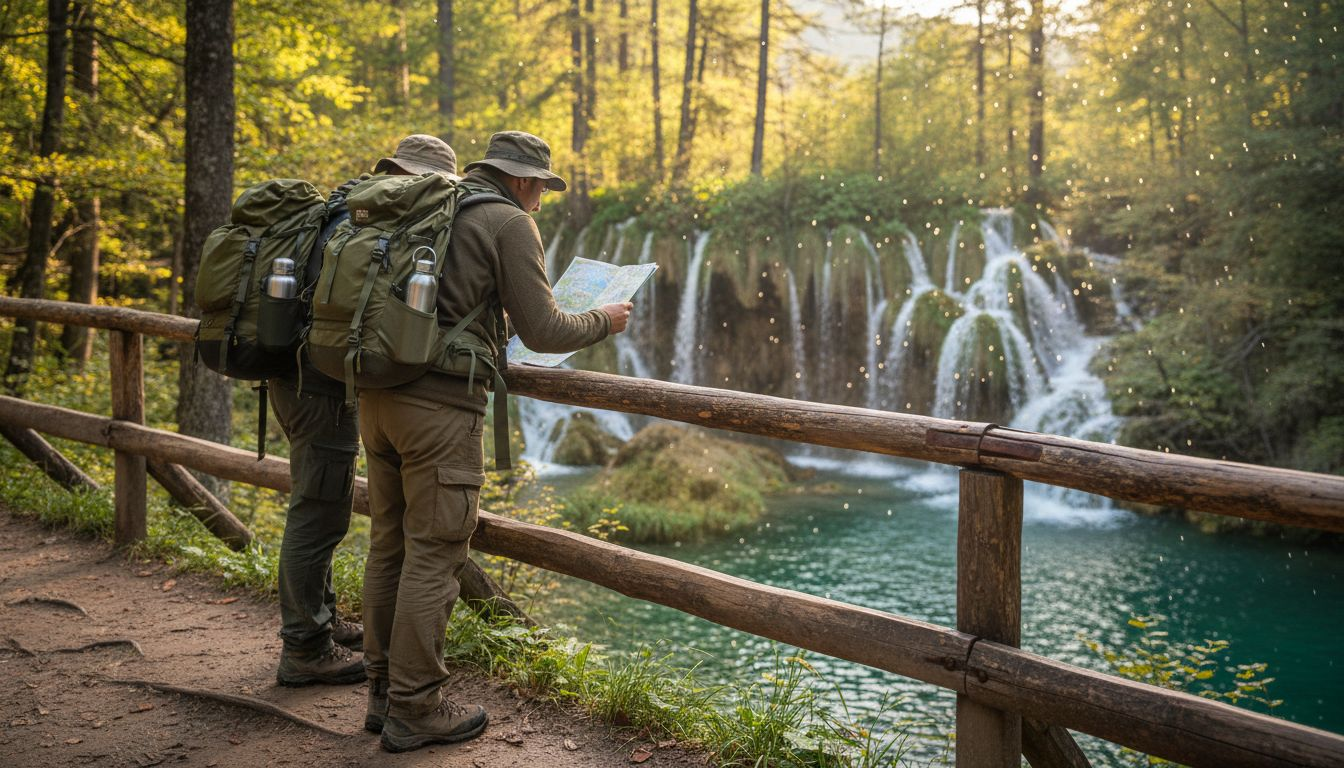
Pro tip: Consider hiring specialized local guides who can provide in-depth insights into the historical and ecological significance of each UNESCO site during your visit.
Here’s how Croatia’s UNESCO World Heritage Sites can be categorized and what they offer visitors:
| Category | Main Focus | Example Site | Typical Visitor Experience |
|---|---|---|---|
| Cultural Heritage | Historic architecture | Diocletian’s Palace, Split | Guided history tours, city walks |
| Cultural Heritage | Ancient traditions & crafts | Local festivals, music | Engaging with local communities |
| Natural Heritage | Unique geological formations | Plitvice Lakes National Park | Scenic hikes, wildlife observation |
| Natural Heritage | Preserved ecosystems | Island preserves | Nature photography, eco-education |
Cultural and Natural Highlights Worth Experiencing
Croatia’s UNESCO heritage represents an extraordinary collection of cultural and natural treasures that captivate travelers seeking immersive and meaningful experiences. These remarkable sites offer a profound journey through Croatia’s rich historical narrative and exceptional environmental landscapes.
The most compelling cultural highlights include:
-
Architectural Marvels:
- Diocletian’s Palace in Split
- Euphrasian Basilica in Poreč
- Medieval walls of Dubrovnik
- Historic urban cores with centuries-old structures
-
Intangible Cultural Heritage:
- Traditional music performances
- Ancient falconry practices
- Religious festivals
- Local craft traditions
- Unique agricultural practices
Beyond architectural wonders, Croatia’s UNESCO sites celebrate living cultural traditions that have been meticulously preserved through generations. The intangible heritage, including traditional music and religious festivals, provides visitors with a profound connection to the country’s cultural depth and authenticity.
The natural UNESCO sites offer equally stunning experiences, showcasing Croatia’s remarkable ecological diversity. National parks like Plitvice Lakes demonstrate extraordinary geological formations, featuring cascading waterfalls, interconnected lakes, and pristine forests that represent some of Europe’s most breathtaking natural landscapes. These protected areas not only preserve critical ecosystems but also provide visitors with immersive experiences of untouched wilderness.
Pro tip: Reserve guided tours that specialize in cultural and natural heritage to gain deeper insights into Croatia’s UNESCO sites and support local conservation efforts.
Luxury Travel Benefits: Private Tours and Comfort
Exploring Croatia’s UNESCO heritage through private luxury transfers and tours transforms a standard vacation into an extraordinary, personalized journey. These premium experiences elevate cultural exploration by combining historical discovery with unparalleled comfort and exclusive access.
Private tour advantages include:
-
Personalized Experiences:
- Customized itineraries tailored to individual interests
- Flexible scheduling and pace
- Direct access to expert local guides
- Intimate, small-group experiences
-
Premium Comfort Features:
- Modern, air-conditioned vehicles
- English-speaking professional drivers
- Door-to-door transportation
- Seamless logistics and planning
Luxury travelers appreciate the nuanced approach of private tours that go beyond standard group experiences. These curated journeys allow deeper engagement with Croatia’s UNESCO sites, providing context, insider knowledge, and the flexibility to explore at one’s own pace. Professional guides offer rich narratives about historical landmarks, ensuring travelers understand the profound cultural significance of each destination.
The transportation itself becomes part of the experience, with high-end vehicles and professionally trained drivers transforming travel time into an opportunity for cultural immersion. Travelers can relax in comfort, enjoying scenic routes between UNESCO sites while receiving personalized insights and recommendations from local experts.
Pro tip: Book private tours during shoulder seasons for optimal balance between comfortable weather, fewer crowds, and more personalized experiences at UNESCO sites.
Common Missteps Visiting UNESCO Sites in Croatia
Discovering Croatia’s UNESCO heritage requires careful planning and awareness to ensure an enriching experience. Travelers often encounter common pitfalls when exploring cultural sites that can significantly impact their journey’s quality and enjoyment.
Key mistakes to avoid include:
-
Timing and Seasonal Challenges:
- Visiting during peak summer months
- Underestimating extreme heat conditions
- Failing to book accommodations in advance
- Overlooking shoulder season travel opportunities
-
Logistical and Preparation Errors:
- Not carrying local currency
- Wearing inappropriate footwear
- Ignoring site-specific dress codes
- Limiting exploration to coastal areas
- Skipping guided tour options
Overcrowding represents a significant challenge at popular UNESCO sites like Dubrovnik’s historic core. Visitors frequently underestimate the impact of mass tourism on these delicate cultural landscapes. Strategic planning involves selecting less crowded times, understanding site preservation guidelines, and respecting local conservation efforts.
Cultural sensitivity plays a crucial role in meaningful UNESCO site experiences. Travelers must recognize that these locations are not merely tourist attractions but living historical environments deserving profound respect. Understanding local customs, adhering to site-specific rules, and maintaining a thoughtful approach can transform a typical visit into a deeply enriching cultural encounter.
Pro tip: Research site-specific guidelines and consider early morning or late afternoon visits to minimize crowds and maximize your UNESCO site experience.
To help travelers avoid common issues, here’s a summary of frequent mistakes and how to prevent them:
| Mistake | Impact on Experience | How to Avoid |
|---|---|---|
| Visiting during peak season | Overcrowding, higher costs | Travel in shoulder months |
| Neglecting site dress codes | Restricted access, offense | Research guidelines |
| Skipping expert guides | Missed history/context | Book local guided tours |
| Poor footwear choice | Discomfort, limited exploration | Choose sturdy shoes |
Experience Croatia’s UNESCO Heritage in Ultimate Comfort and Style
Visiting Croatia’s UNESCO sites offers a journey through extraordinary cultural and natural wonders. However, navigating famed locations like Diocletian’s Palace or Plitvice Lakes National Park can pose challenges such as overcrowding, limited flexibility, and logistical complexities. Travelers eager to explore these treasures deeply while avoiding common pitfalls will appreciate tailored solutions that combine expert local knowledge with personalized comfort.
Croatia Private Transfers & Tours addresses these precise needs by providing luxury, private transportation and customized tours. Enjoy:
- Personalized itineraries focused on your interests in history, culture, and nature
- Flexible scheduling to avoid peak crowds and maximize your experience
- Professional English-speaking drivers and guides offering invaluable insights
- Premium vehicles ensuring stress-free travel between UNESCO sites and beyond
Take advantage of our Uncategorized Archives to explore unique tour options and discover how easy it is to transform your visit into a deeply meaningful, luxurious adventure. Your ideal cultural journey awaits at Croatia Private Transfers & Tours.
Don’t settle for ordinary. Elevate your Croatia UNESCO site explorations with a private, expertly guided experience crafted just for you. Book now to unlock the perfect balance of heritage, comfort, and personalized attention while availability lasts.
Frequently Asked Questions
What are the most notable UNESCO sites to visit?
Croatia is home to several significant UNESCO sites, including cultural treasures like Diocletian’s Palace in Split and the medieval city of Dubrovnik, as well as the natural wonder of Plitvice Lakes National Park.
How can private tours enhance my experience at UNESCO sites?
Private tours offer personalized itineraries, flexible scheduling, and direct access to expert local guides, allowing for deeper engagement and a more comfortable exploration of UNESCO sites.
What tips can help me avoid common mistakes when visiting UNESCO sites?
To avoid common pitfalls, travel during the shoulder seasons, research site-specific dress codes, wear appropriate footwear, and consider booking guided tours to gain historical context.
Why is it important to respect local customs at UNESCO sites?
Respecting local customs is crucial because UNESCO sites are not just tourist attractions but living historical environments. A thoughtful approach enhances your experience and supports the preservation and integrity of these important cultural spaces.