


Croatia Bike Transfers: Private Door to Door from €60
For most cyclists arranging a bike transfer in Croatia, a private transfer booked through a trusted local operator is the fastest way to move both bikes and passengers door-to-door with real flexibility. Croatia Private Transfers & Tours stands out for travelers who want that comfort and control. If time is tighter than budget, regional bike-transfer operators with dedicated trailers or HŽ Putnički prijevoz trains with bike space are worth checking first.
TL;DR:
- Private door-to-door transfers are recommended for groups with e-bikes, heavy luggage, or multiple stops, especially when timing is tight.
- Costs depend on distance, group size, and bike type, with sample prices starting around €60 for short routes and increasing with length and load.
- Operators requiring e-bike battery removal or special packaging should be prioritized over rail options, which have stricter restrictions and responsibility for securing bikes.
- Booking early and confirming capacity, liability, and equipment photos helps ensure a reliable service and avoids surprises at pickup.
- Trains are suitable for budget travelers on straightforward routes, but private transfers provide greater flexibility for complex or multi-location cycling itineraries.
Table of Contents
- What Are Your Options for a Bike Transfer in Croatia?
- What Bike-Transfer Services Include From Booking to Drop-Off
- What Do Bike Transfers Cost in Croatia?
- How Do You Choose the Right Bike Transfer Operator?
- Can You Take Bikes on Croatian Trains?
- When Does a Private Transfer Actually Make the Trip Easier?
- Book a Private Bike Transfer With Croatia Private Transfers & Tours
- Sources
- FAQ
What Are Your Options for a Bike Transfer in Croatia?
A transfer s biciklima (bike transfer) in Croatia generally falls into three categories: private door-to-door services, regional operators with dedicated bike trailers, and rail travel through Croatian Railways. Each suits a different kind of trip, and the right pick depends on group size, schedule, and how much hands-on flexibility you actually need.
A private transfer operator offering licensed, English-speaking drivers and door-to-door service can be the natural fit for multi-stop itineraries, e-bike riders, or families juggling gear alongside bicycles. Regional operators, often running vans with ten to twenty-bike trailers, work well for point-to-point routes at a set price. Bike-rental centers that double as transfer providers, such as Bike Center Poreč, typically use a simple inquiry form and tailor pickup times to riders’ schedules.
| Option | Best for | Capacity | Price shape | Coverage | Booking method |
|---|---|---|---|---|---|
| Croatia Private Transfers & Tours | Flexible, personalized door-to-door bike transfers | Custom vehicle sizing per group and bike count | Quoted per trip | Nationwide, Croatia | Online inquiry, quote on request |
| Regional bike-transfer operators (vans/trailers) | Fixed-route transfers for set groups | Trailers often hold 10 to 20 bikes | Distance-based, published sample rates | Regional (e.g., Istria) | Online booking form |
| Bike-rental centers offering transfers | Riders already renting locally | Small vans, limited bike racks | Varies by rental package | Local town or region | Inquiry form, phone |
| HŽ Putnički prijevoz (trains) | Budget travel between major stations | Dedicated bike spaces per train | Standard train fare plus bike ticket | Croatia rail network | Ticket counter or online |
Capacity and price shape decide which option fits your trip. A solo cyclist crossing one region might do fine on a train, while a group of six with e-bikes and luggage almost always needs a private vehicle sized to match.
What Bike-Transfer Services Include From Booking to Drop-Off
Booking a bike transfer starts with the basics: pickup and drop-off addresses, the number and type of bikes, and your preferred pickup window. Most operators, including bike-rental centers like Bike Center Poreč, run this through an online inquiry form rather than a phone call, and many Croatian booking forms include a standard data-processing notice in line with GDPR practices.
On pickup day, expect this sequence:
- The driver or crew arrives at the agreed time and loads bikes onto a trailer or roof/rear rack.
- Bikes get secured with straps or hooks, the same method used on trains.
- Passengers board separately, with luggage stowed in the vehicle rather than strapped to the bikes.
- You confirm your bike is locked or secured before departure, since responsibility for the lock itself typically stays with the rider.
E-bikes add a wrinkle. Some operators require battery removal or special packaging before loading, a safety precaution worth confirming when you request your quote. Bulky panniers or oversized cases can also affect what fits in a standard trailer, so mention them upfront rather than at pickup.
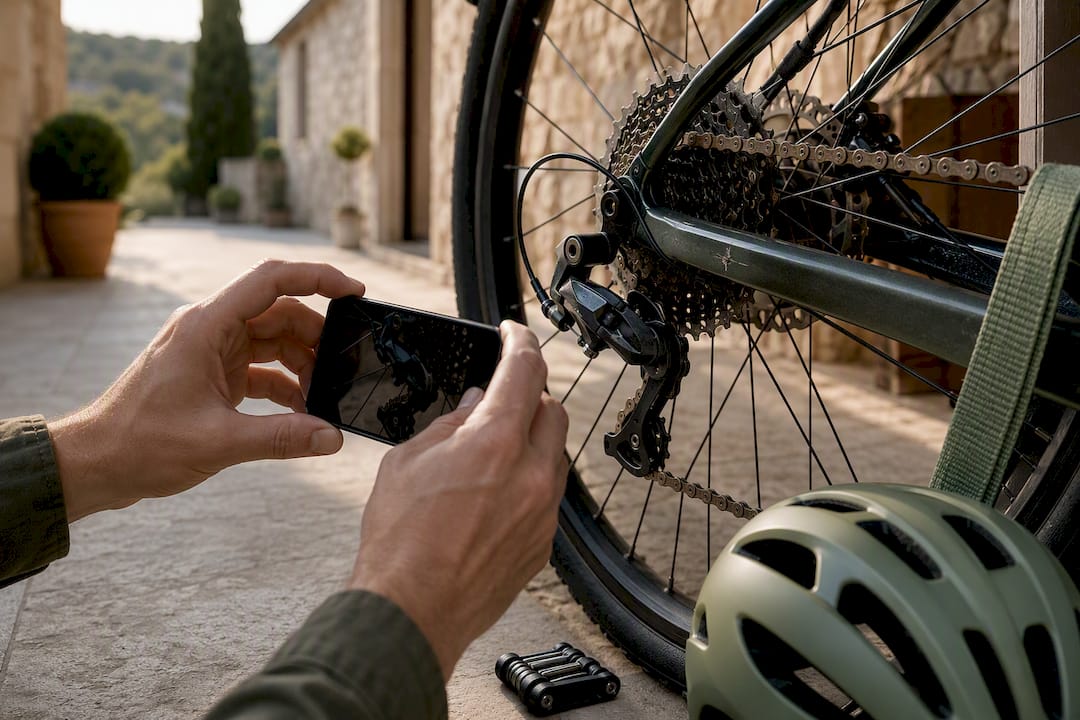
Pro Tip: Photograph your bike before handoff, especially derailleurs and any pre-existing scratches. It takes thirty seconds and settles any dispute about handling before it starts.
What Do Bike Transfers Cost in Croatia?
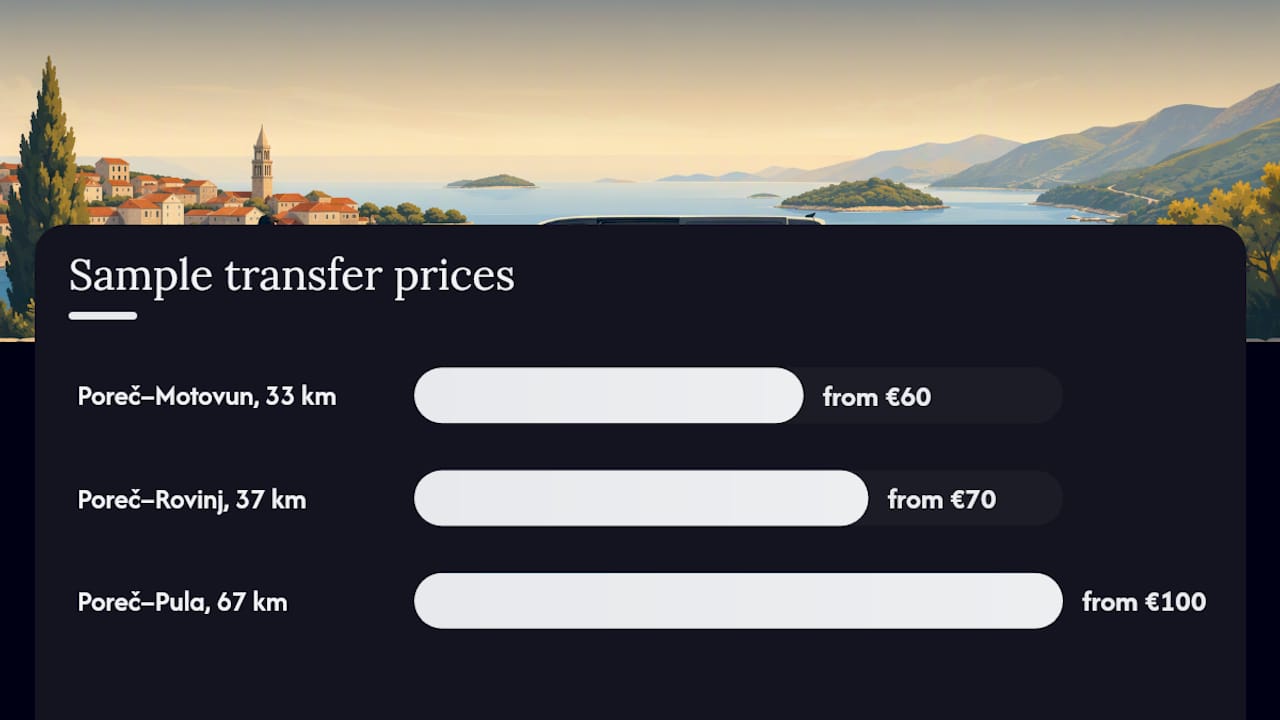
Sample pricing from Istria gives a useful benchmark for what a private bike transfer actually costs. Blis Transfer lists routes such as Poreč to Motovun (33 km) from €60, Poreč to Rovinj (37 km) from €70, and Poreč to Pula (67 km) from €100, with airport runs sometimes exceeding that. Distance is the main driver of price, but it is far from the only one.
Vehicle choice depends on group size and bike count:
- A solo rider or couple usually fits in a standard van with a small bike rack.
- Groups of six to ten often need a dedicated trailer, with some operators running trailers built for up to 20 bikes.
- E-bikes take more space and weight per unit, which can push a mid-size group into a larger vehicle than the headcount alone would suggest.
Airport pickups, extra luggage, and off-hour scheduling all tend to push the price shape higher, since they add driver time or route complexity. Ask for an itemized quote before you commit. That single request, according to guidance from Blis Transfer, lets you compare operators without guessing what a “base rate” actually covers.
How Do You Choose the Right Bike Transfer Operator?
Picking the right operator comes down to five questions and a handful of warning signs. Ask each candidate the following before booking:
- What is your maximum bike capacity, and does that include e-bikes at their heavier weight?
- Do you have specific rules for e-bike batteries, such as removal or separate packaging?
- What insurance or liability coverage applies if a bike is damaged in transit?
- What is your cancellation or date-change policy, and is there a fee?
- Can you send photos or specs of the actual trailer or vehicle before I book?
Treat vague answers as red flags. An operator with no clear contact method, pricing that shifts without explanation, or no willingness to share equipment photos is not one to trust with an expensive bike. Operators that publish real photos and exact capacity numbers, the kind Bike Center Poreč and Blis Transfer both offer, tend to be the more reliable choice.
As a decision rule: choose a private transfer like Croatia Private Transfers & Tours when your route involves multiple stops, mixed group needs, or e-bikes. Lean on a regional operator for a simple point-to-point run, and consider the train only when your schedule is loose and your route runs along the rail network.
Can You Take Bikes on Croatian Trains?
HŽ Putnički prijevoz, Croatia’s national rail operator, allows bicycles on trains with dedicated bike spaces, typically around 10 bikes per train. Folded bikes can usually travel as regular luggage when they fit within standard dimensions.
Using the train comes with a few practical steps:
- Arrive 5 to 10 minutes early to load your bike before departure.
- Secure the bike yourself using the hooks and straps provided onboard.
- Keep responsibility for locking your own bike during the ride, since staff generally do not manage this for you.
Trains work well for long, budget-conscious legs of a trip, but they rarely solve the first and last mile to a trailhead or hotel. Pairing a train for the long haul with a private transfer for the final stretch, especially from an airport or a station outside town, is a pattern bike-transit integration guidance also recommends for balancing cost against convenience. E-bike riders should double-check battery rules before boarding, since train policies on batteries can differ from what a private operator allows.
When Does a Private Transfer Actually Make the Trip Easier?
A private transfer earns its cost on multi-stop tours, for groups with mixed fitness levels or heavy luggage, and on tight airport-to-start schedules where a missed train connection would derail the whole day. For a single, budget-friendly hop between two towns on the rail line, public transit is often perfectly sufficient. The tradeoff is simple: pay for flexibility when your itinerary has several moving parts, and save the money when it does not. Whichever way you lean, run through the five booking questions above before you commit to any operator.
— Croatia
Book a Private Bike Transfer With Croatia Private Transfers & Tours
A door-to-door private transfer service can be an alternative to piecing together trains, taxis, and rental-shop shuttles yourself, especially when your route crosses multiple towns or ends at an airport on a schedule. Transfers with licensed, English-speaking drivers and vehicles sized to your group avoid negotiating trailer space with strangers or hunting for a bike-friendly train slot.
When you send a booking request, include your pickup and drop-off points, the number and type of bikes (standard, e-bike, or folding), passenger count, and any extra luggage. That level of detail lets the team return an accurate, itemized quote instead of a vague estimate. Whether you need a single private transfer between coastal towns or a longer multi-day route planned around cycling stops, request a quote through the Private Transfers Croatia page and get a straight answer on cost and capacity before you travel.
Sources
FAQ
How Much Does a Bike Transfer Cost in Croatia?
Regional operators in Istria publish sample rates from around €60 for shorter routes like Poreč to Motovun, rising past €100 for longer runs such as Poreč to Pula. Private transfers with Croatia Private Transfers & Tours are quoted per trip based on route, group size, and bike count, so current pricing is available on request.
Can I Bring My E-Bike on a Bike Transfer?
Most operators accept e-bikes but may require the battery to be removed or packaged separately for transport, a point worth confirming when you request your quote. Private transfers tend to offer more flexibility here than trains, since drivers can accommodate specific handling requests.
Do Croatian Trains Allow Bikes?
Yes, HŽ Putnički prijevoz permits bicycles on trains with dedicated bike space, typically around 10 bikes per train, and allows folded bikes as regular luggage when they fit. Passengers are responsible for loading, securing, and locking their own bike.
How Far in Advance Should I Book a Bike Transfer?
Booking as early as possible gives operators time to confirm vehicle and trailer capacity, especially for groups or e-bikes. Croatia Private Transfers & Tours works from inquiries submitted through its private transfers page, and earlier requests generally get more scheduling flexibility.
What Should I Ask Before Booking a Bike-Transfer Operator?
Ask about bike capacity, e-bike battery rules, insurance coverage, and cancellation policy, and request photos of the actual vehicle or trailer. An operator that cannot answer these clearly, or has no visible contact method, is a sign to keep looking.


