
Zagreb to Plitvice Day Trip: 6–7 AM Pickup, Rastoke Stop, Avoid Crowds
For most travelers, the direct public bus is the cheapest and simplest way from Zagreb to Plitvice Lakes, with fares from around €12 one-way and the fastest runs taking about 1 hour 50 minutes. A private transfer is worth the extra cost if you’re traveling with family, keeping to a tight schedule, or want to add a stop in Rastoke along the way. An organized day tour suits travelers who want the logistics handled for them, at the price of some flexibility.
TL;DR:
- Bus tickets from Zagreb to Plitvice Lakes start at around €12 and take approximately 1 hour 50 minutes, with direct routes being faster than those via stops.
- Private transfers offer fixed schedules, door-to-door service, and the ability to include stops like Rastoke, making them ideal for families or travelers with tight timelines.
- Organized day tours bundle transport, guides, and park tickets, but move at the group’s pace and are best for those who prefer pre-arranged logistics.
- Booking tickets early for summer departures prevents sold-out buses and timed-entry slots, especially for early departures before 09:00.
- Visiting during shoulder seasons or early in the morning reduces crowds, while weather conditions can significantly impact access, especially in winter.
Table of Contents
- Bus, Private Transfer, Tour, or Rental Car: Which Fits Your Trip?
- How Do You Get From Zagreb to Plitvice by Bus?
- When Does a Private Transfer Make Sense From Zagreb to Plitvice?
- What Do Organized Day Tours Include, and Are They Worth It?
- What’s the Best Schedule for a Zagreb to Plitvice Day Trip?
- How Do You Book Bus and Park Tickets Without Getting Stuck?
- What Should You Pack and Plan for on the Day?
- When Is the Best Time to Visit Plitvice Lakes to Avoid Crowds?
- How Does Weather Affect a Plitvice Lakes Trip Throughout the Year?
- A Publisher’s View on Getting the Logistics Right
- Ready for a Direct, Stress-Free Ride to Plitvice?
- Sources
Bus, Private Transfer, Tour, or Rental Car: Which Fits Your Trip?
Every route from Zagreb to Plitvice Lakes involves a trade-off between cost, comfort, and control over your schedule. Here’s how the four main options stack up before you commit to one.
- Public bus: the lowest cost, with frequent departures, but shared timetables mean less control over exact arrival and departure times.
- Private transfer: door-to-door pickup, a fixed schedule built around your day, and the option to add stops, at a higher price than a bus ticket.
- Organized day tour: a guide and often a park ticket bundled in, ideal if you don’t want to plan anything yourself, though you’ll move at the group’s pace.
- Rental car: total independence and the freedom to detour, but you’ll deal with Croatian road rules, parking near the park entrances, and unfamiliar signage.
If lowest cost is your priority, the bus section below covers timetables and fares in detail. If you need predictable timing or you’re traveling with young kids and luggage, skip ahead to the private transfer section. Families or groups wanting zero planning should look at the day tour breakdown, and independent drivers will find route notes further down.
How Do You Get From Zagreb to Plitvice by Bus?
Almost every bus to Plitvice Lakes leaves from Autobusni kolodvor Zagreb, the city’s main bus station on Avenija Marina Držića, a short tram or taxi ride from the city center. This is also where you’ll return, so it’s worth knowing the layout before you travel, especially if you’re catching an early departure with luggage in tow.
Buses typically stop at both park entrances, but not every service hits both. Entrance 1 sits closer to the Upper Lakes and the main boat crossing, while Entrance 2 is nearer the Lower Lakes and Veliki Slap, the park’s largest waterfall. Check your ticket or ask the driver which entrance your service stops at first, since it determines which trail makes sense to start with.
In summer, the route runs multiple daily departures, dropping to a handful of services in the off-season. Arriva’s route page lists station addresses and sample timetables, and shows regular services running about 2 to 2.5 hours. That’s noticeably longer than the fastest option: operator timetables from FlixBus show top runs at around 1 hour 50 minutes over a distance of roughly 130 to 137 kilometers. The gap comes down to routing. Some services travel via the D1 highway and make multiple stops along the way, which adds real time compared to a direct express run or a private transfer with no intermediate pickups.
Fares typically start around €12 to €16 one-way, though prices climb during peak season and with late bookings. A few practical booking notes:
- Buy tickets through operator apps like the Arriva Croatia app, the FlixBus site, or in person at the station kiosk.
- Early departures sell out first in summer, sometimes a full day ahead, so book those seats as soon as your dates are set.
- Local operator schedules, such as the one listed by AKZ, are worth cross-checking against the app in case of seasonal changes.
When Does a Private Transfer Make Sense From Zagreb to Plitvice?
A private transfer trades the bus’s lower fare for a fixed schedule built entirely around you. There’s no waiting for a shared departure slot, no risk of a sold-out early bus, and no D1 detours through intermediate towns.
A typical private transfer includes:
- Pickup directly at your hotel or apartment in Zagreb, at a time you choose.
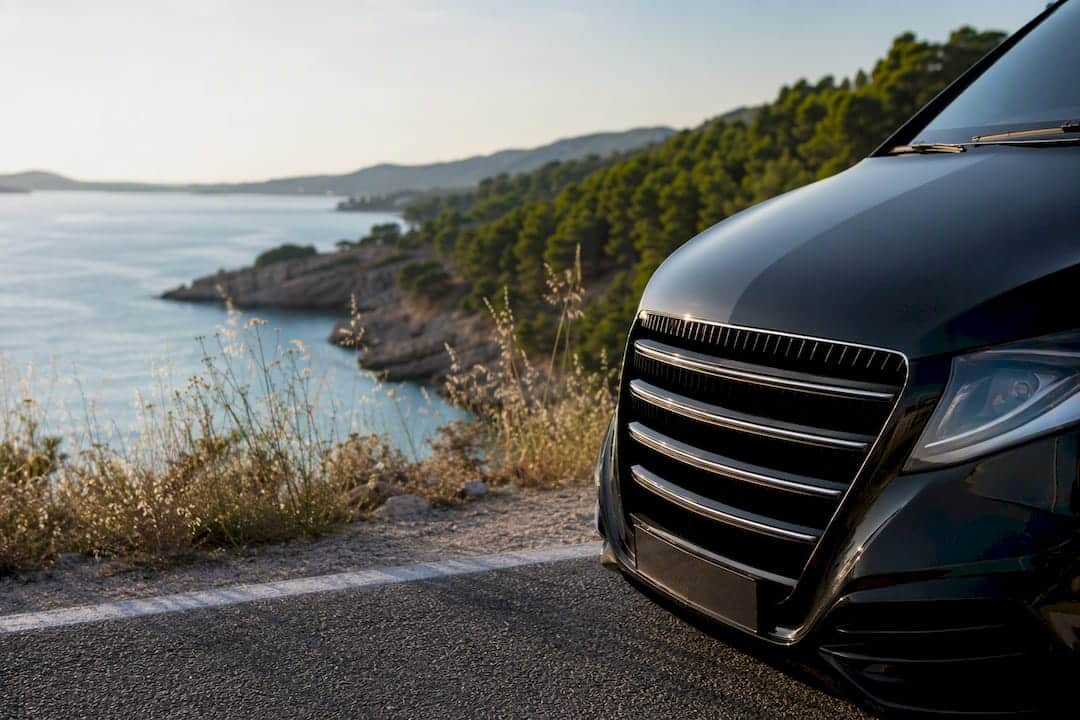
- A licensed, English-speaking driver and a modern, air-conditioned vehicle, often a Mercedes sedan or minivan.
- The option to add a stop at Rastoke, the small watermill village near Slunj, which is far easier to work into a private itinerary than a fixed bus route.
Private transfers are priced per vehicle rather than per seat, which means the cost per person often narrows for families or small groups compared to buying several bus tickets. The trade-off is a higher total fare than the bus, but you gain a direct route without intermediate stops and a driver who adjusts to your actual travel day rather than a printed timetable.
Pro Tip: If you’re catching a flight later in the day or heading south toward Split afterward, a private transfer that continues past Plitvice saves you from backtracking to Zagreb entirely.
What Do Organized Day Tours Include, and Are They Worth It?
A coach day tour typically bundles round-trip transport from Zagreb, a guide, and often the park entrance ticket into one price, sometimes with a Rastoke stop built in. The usual schedule runs an early morning departure, several hours inside the park by mid-morning, and a return to Zagreb by late afternoon or early evening.
- Pricing generally lands between the cost of a solo bus ticket and a full private transfer, once the guide and park ticket are factored in.
- The trade-off is pace. You move on the group’s timetable, not your own.
- Day tours suit travelers who want zero planning, a guaranteed park entry even in peak season, or simply have limited time in Croatia and want the day handled for them.
If you’re weighing this against door-to-door flexibility, it helps to compare it directly with what a private transfer service offers on the same route.
What’s the Best Schedule for a Zagreb to Plitvice Day Trip?
Timing makes or breaks a same-day visit. The park is large, the crowds build fast after mid-morning, and a mistimed departure can cost you an hour of standing in line rather than walking the trails.
- Leave Zagreb between 05:45 and 08:00 if possible. Early departures put you ahead of the tour-coach rush, which tends to hit the main entrances by mid-morning.
- Check the park’s official opening hours and timed-entry rules before you travel. In June through September, entry runs on timed slots, so your bus or transfer arrival needs to line up with the slot you booked.
- Budget 4 to 6 hours inside for the main circuits, routes B or C, including the boat crossing on Kozjak Lake and the short train segment between the Upper and Lower Lakes.
- Confirm your return bus timetable, or your private transfer’s pickup time, before you head into the park. Through-buses back to Zagreb can fill up fast on busy afternoons.
How Do You Book Bus and Park Tickets Without Getting Stuck?
A short checklist keeps this simple, and it prevents the two most common failures: a sold-out early bus and a fully booked timed-entry slot.
- Buy park tickets on the official Plitvice Lakes website ahead of time, especially for June through September visits.
- Book bus tickets in advance for early departures, since those seats are the scarce inventory in high season and can sell out the day before.
- Confirm which entrance your bus actually stops at, then match your park ticket to Entrance 1 or Entrance 2 accordingly.
- Keep a printed or phone copy of every confirmation, and carry some cash for smaller vendors near the entrances.
What Should You Pack and Plan for on the Day?
A few small details separate a comfortable visit from an uncomfortable one, and none of them are obvious until you’re standing on a wet boardwalk in the wrong shoes.
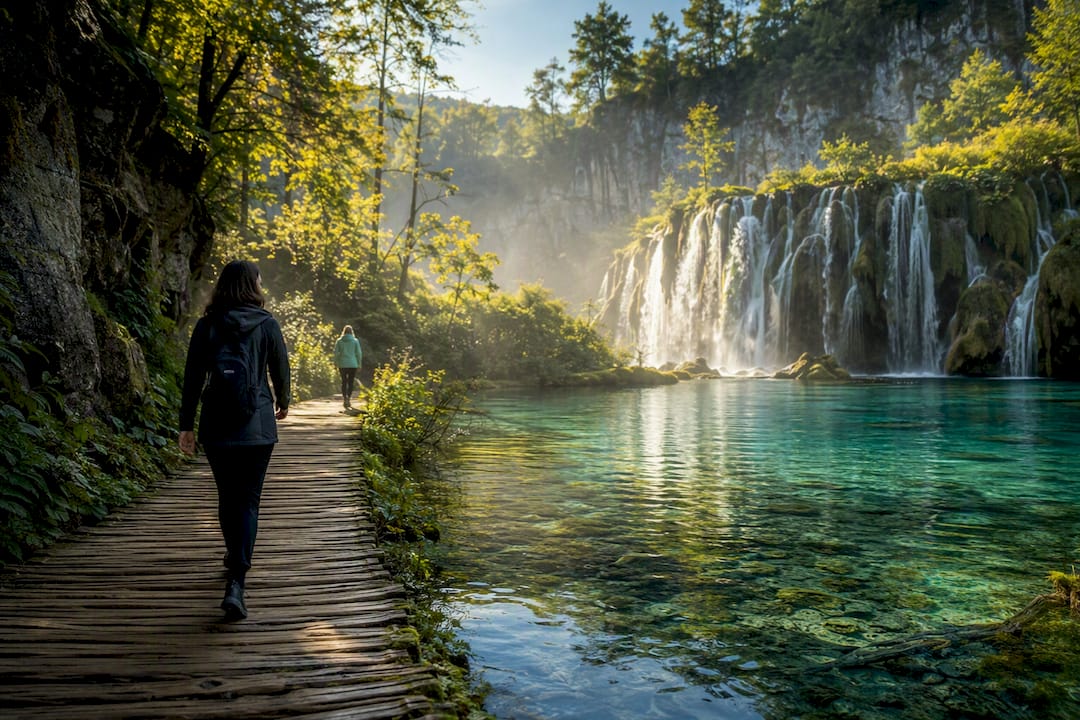
- Wear non-slip shoes. The wooden boardwalks around the lakes get slippery, especially after rain or heavy foot traffic.
- Pack water and snacks. Food options inside the park are limited and priced higher than what you’ll find in Zagreb.
- If mobility is a concern, plan your route carefully. Some sections involve long walks or stairs, and the terrain isn’t uniformly flat.
- Cards work at ticket counters and main facilities, but small kiosks and roadside stands near the entrances are sometimes cash-only.
Pro Tip: Pack a light rain jacket even in summer. The waterfalls generate their own mist, and afternoon showers are common in the surrounding hills.
When Is the Best Time to Visit Plitvice Lakes to Avoid Crowds?
The single biggest lever against crowding is departure time, not season. Arriving before 09:00, whether by bus or private transfer, gets you ahead of the coach groups that dominate the main trails from mid-morning through early afternoon.
Weekdays run noticeably quieter than weekends, particularly from June through August when domestic and international tourism both peak. If your schedule allows any flexibility, shifting a visit from Saturday to Tuesday makes a real difference in how crowded the boardwalks feel around Veliki Slap and the boat docks.
Entrance choice matters too. Entrance 2, near the Lower Lakes, tends to draw slightly less morning traffic than Entrance 1, since most tour buses funnel toward the Upper Lakes circuit first. Starting at Entrance 2 and working your way north can mean walking against the crowd rather than with it.
Shoulder months, specifically May and late September into early October, offer a genuine advantage: cooler temperatures, thinner crowds, and still-reliable weather for the full boardwalk circuit. Late afternoon visits in summer, after the day-tour buses depart around 3 or 4 PM, also open up a quieter window if your transport allows a later return.
How Does Weather Affect a Plitvice Lakes Trip Throughout the Year?
Plitvice sits at elevation in a continental climate zone, which means the seasonal swing is sharper than what coastal Croatia experiences. Summer days, June through August, run warm and mostly dry, but afternoon thunderstorms build over the surrounding hills often enough that a rain layer is worth packing regardless of the forecast.
Winter brings snow and ice to the boardwalks, and some upper trail sections close for safety during the coldest stretches. If you’re visiting between December and February, confirm which circuits are open before you plan your bus or transfer timing, since a shortened visit changes how much time you actually need inside the park.
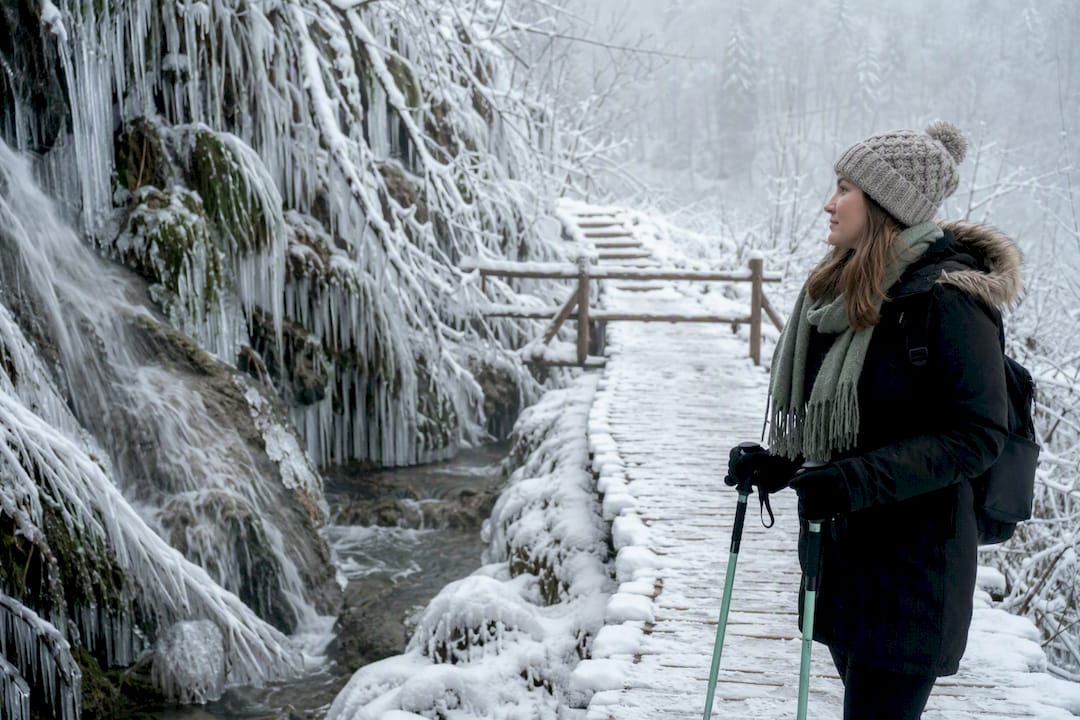
Spring, April into May, tends to bring the fullest waterfalls thanks to snowmelt, along with a real chance of rain on any given day. Autumn, September into November, offers some of the most dramatic scenery as the forest colors change around the lakes, paired with cooler, generally drier conditions than spring.
Whatever the season, road conditions between Zagreb and Plitvice can shift quickly in winter, with fog and occasional ice on the route. That’s one more reason a private transfer with a driver who knows the road can matter more in January than in July, when weather rarely disrupts the drive at all.
A Publisher’s View on Getting the Logistics Right
The itinerary that tends to work best starts with a pickup window between 06:00 and 07:00, a stop in Rastoke on the way south, and arrival at Plitvice’s Entrance 2 with enough daylight left for the full Lower Lakes to Upper Lakes circuit. Licensed drivers running modern vehicle classes make that kind of flexible routing possible in a way a fixed bus timetable simply can’t. What surprises most first-time visitors isn’t the scenery, it’s how much a single hour of extra flexibility in the morning changes the entire day.
— Croatia
Ready for a Direct, Stress-Free Ride to Plitvice?
If the bus timetables and timed-entry slots above sound like more coordination than you want to manage, a private transfer solves the problem in one booking. Croatia-private-transfers puts a licensed, English-speaking driver and a modern, air-conditioned vehicle at your door in Zagreb, with no fixed departure time to catch and no D1 detours to sit through.
This works especially well for families juggling luggage, travelers on a tight return flight, or anyone who wants to add a stop in Rastoke without renegotiating a bus schedule — making it one of the best family activities in Dalmatia for those traveling with kids. You set the pickup time, the driver handles the route, and you arrive at whichever entrance matches your day plan. Explore the private transfer options from Zagreb and lock in a pickup time that fits your itinerary.
Sources
- Zagreb to Plitvice Lakes – GeckoRoutes
- Bus Zagreb to Plitvice Lakes (Plitvička Jezera) – FlixBus
- Bus Zagreb – Plitvička Jezera – Arriva Croatia
- Plitvice Lakes National Park – price list