

Your Guide to a Razgledni Transfer Hrvatska Experience
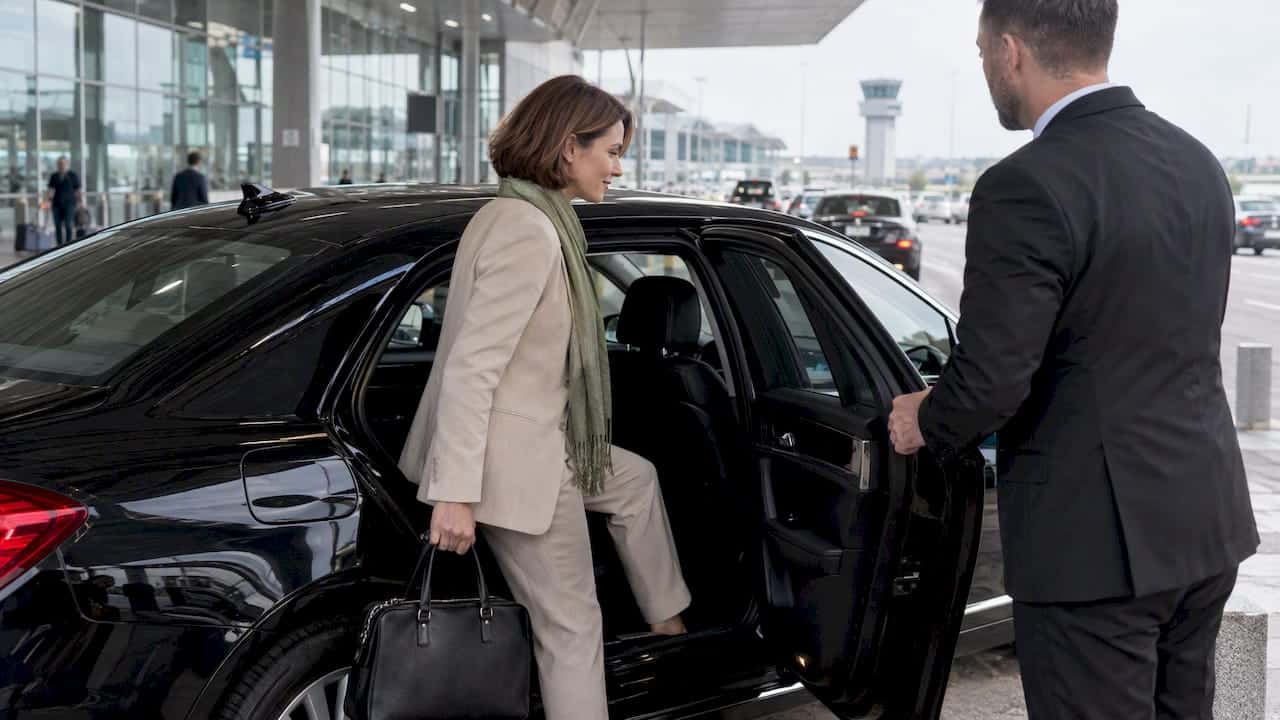
Book a private sightseeing transfer, or “razgledni transfer,” for the most comfortable and flexible way to see Croatia’s coastline and inland treasures. You get a licensed, English-speaking driver, a modern air-conditioned vehicle such as a Mercedes sedan or minivan, and door-to-door pickup that bends around your pace, not a fixed departure board.
The core appeal is simple: no group schedule, no rushed photo stops, and stops chosen by you rather than a busload of strangers. To book one, have these ready:
- Travel dates and approximate start time
- Pickup and drop-off addresses
- Number of passengers and luggage pieces
- Preferred scenic stops or must-see attractions
Key Takeaways
Private sightseeing transfers beat fixed-route buses on flexibility, comfort, and local insight, provided you confirm vehicle class, driver credentials, and inclusions before booking.
| Point | Details |
|---|---|
| Coastal route timing | Split to Dubrovnik runs 3.5 to 4 hours direct, or 6 to 10 hours with scenic stops. |
| Inland day trips | Plitvice and Krka work best as a full day and half day, respectively, from major cities. |
| Cross-border trips | Mostar and Kravice Falls require a valid passport and add time for border checks. |
| Booking timing | Reserve early for July and August, when peak demand affects price and availability. |
| Trusted provider | Croatia-private-transfers offers licensed English-speaking drivers and Mercedes-class vehicles across coastal and inland routes. |
Table of Contents
- What Is a Razgledni Transfer in Croatia?
- Which scenic routes and stops should you request?
- How do private sightseeing transfers actually work?
- What determines the price of a private transfer?
- How do you choose a reliable provider and avoid getting burned?
- What itineraries should you request when booking?
- Who are the trusted operators for scenic transfers in Croatia?
- Why specialized local drivers change the sightseeing experience
- Ready to book your private Croatian sightseeing transfer?
- Where to go for more route planning and inspiration
- Frequently asked questions about razgledni transfer hrvatska
- Sources
What Is a Razgledni Transfer in Croatia?
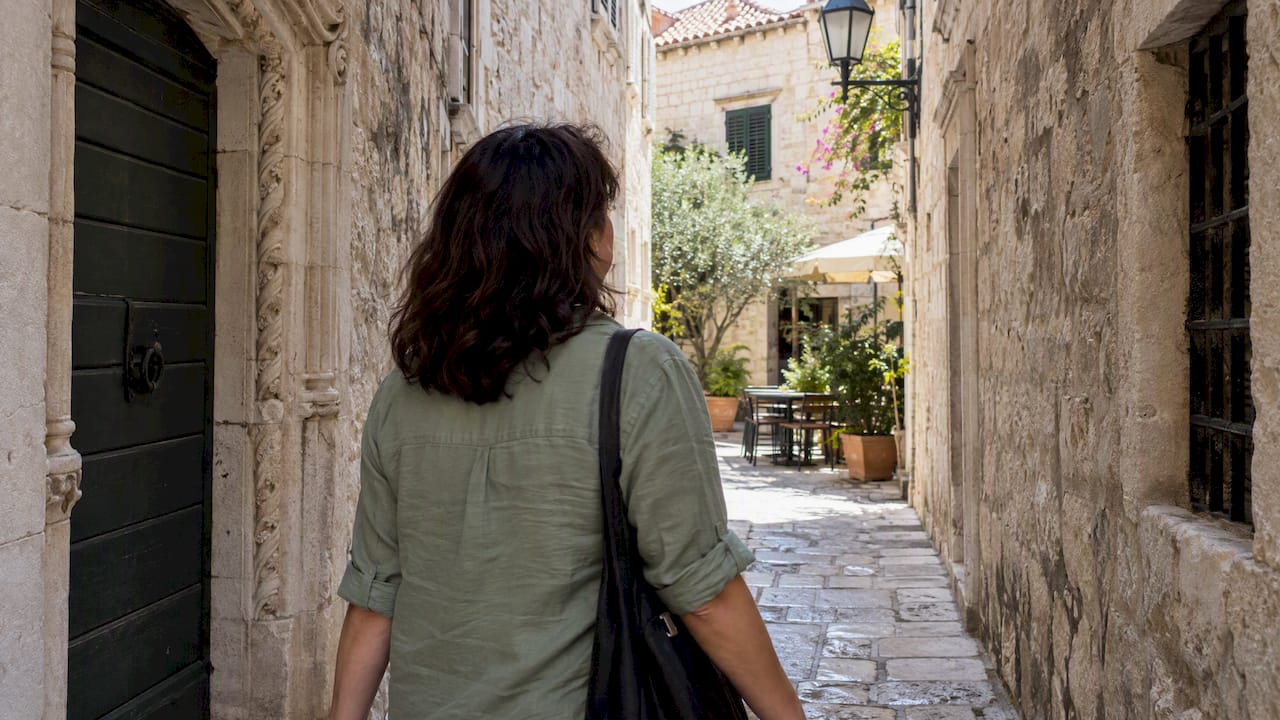
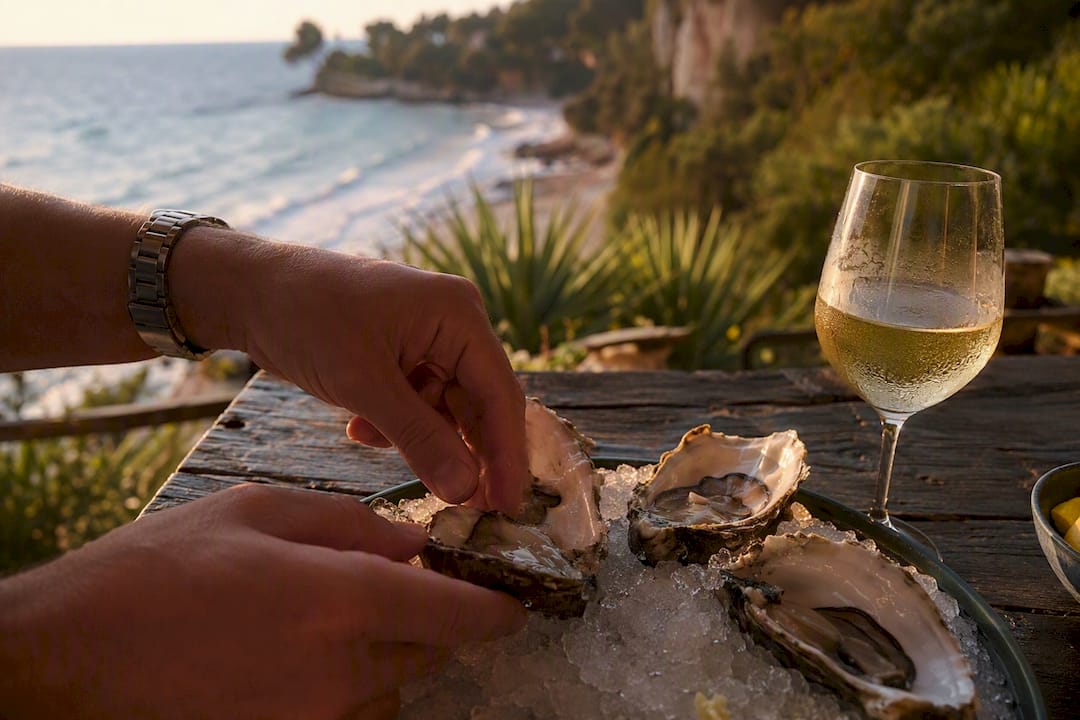
A razgledni transfer, Croatian for “sightseeing transfer,” is a private, point-to-point journey built around scenic stops rather than a straight line from A to B. Unlike a standard intercity shuttle, it treats the drive itself as part of the experience, with the driver adjusting the route so you can walk a medieval town wall, taste local oysters, or photograph a waterfall along the way. It differs from a bus tour by seating only your own group and from a rental car by pairing you with a local driver who already knows which stops are worth the extra twenty minutes.
Which scenic routes and stops should you request?
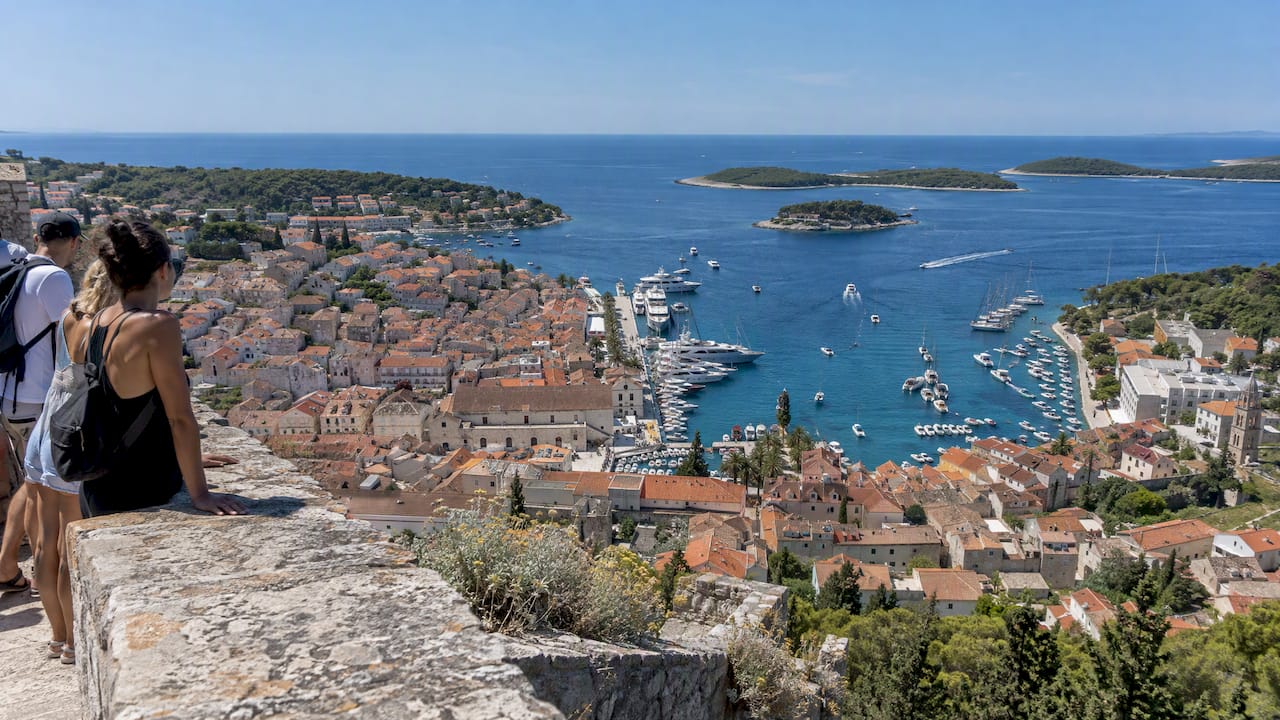
Croatia’s best private sightseeing routes split into two categories: coastal drama and inland freshwater scenery. Picking the right one starts with knowing what each actually delivers.
- Split to Dubrovnik, direct or scenic. The direct coastal transfer runs about 3.5 to 4 hours, tracing the Adriatic highway with the sea on one side and limestone cliffs on the other. Add stops in Ston for oysters and salt pans, the Pelješac peninsula for vineyards, and Korčula’s old town, and the same trip can extend over most of a day.
- Plitvice Lakes and Krka Waterfalls. Both rank among Croatia’s most requested inland day trips from Zagreb, Zadar, and Split. Plitvice rewards a full day given its size; Krka works well as a half-day add-on from Split or Šibenik.
- Mostar and Kravice Falls. These cross into Bosnia and Herzegovina, adding border formalities and travel time, but the reward is a genuinely different landscape and a taste of Ottoman-era architecture within a single long day.
Pro Tip: Request an early morning departure for Plitvice or Krka. Arriving before the tour buses means quieter trails and softer light for photos.
How do private sightseeing transfers actually work?
Booking one means confirming a handful of practical details upfront so nothing gets negotiated roadside.
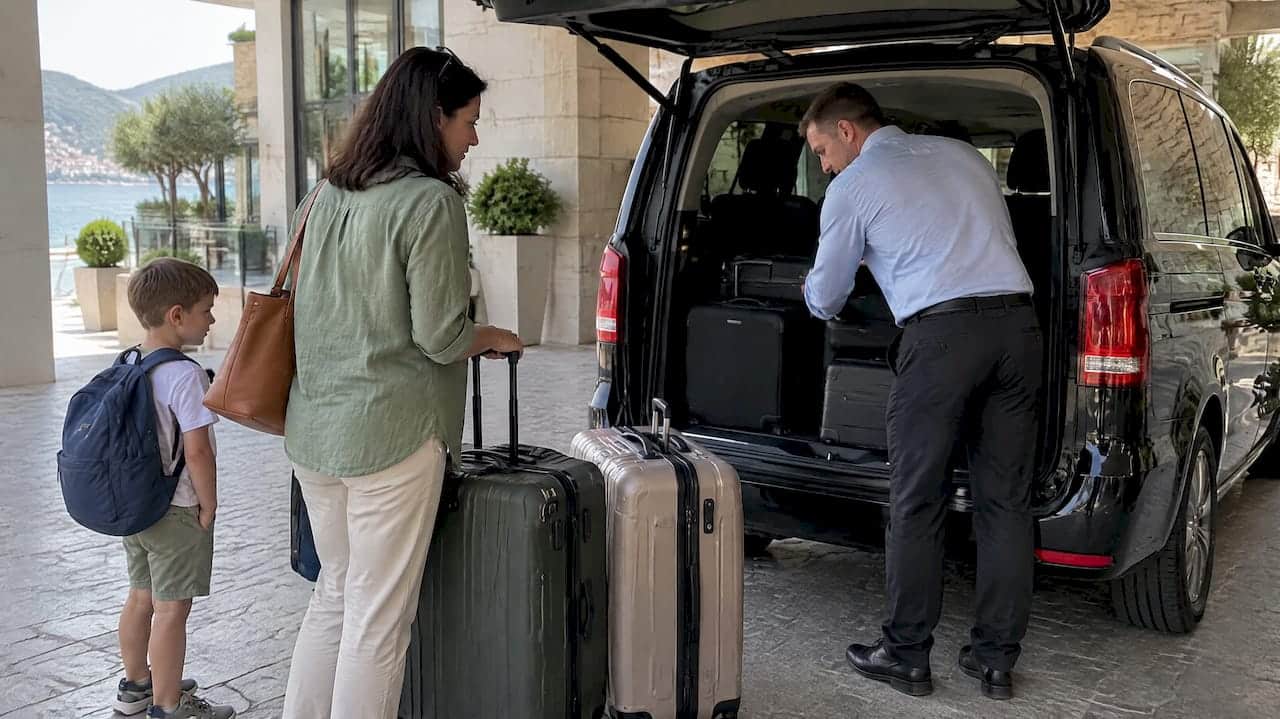
- Vehicle class: A sedan comfortably fits two to three passengers with luggage; a Mercedes-class minivan suits families or groups of four to seven.
- Waiting time and stops: Confirm how many photo or meal stops are included and whether waiting time at each is built into the quote.
- Luggage and accessibility: Mention wheelchair needs, car seats, or oversized bags when booking, not the morning of.
- Border crossings: Trips toward Mostar cross into Bosnia and Herzegovina, so bring a valid passport, since these routes typically add time for border checks.
What determines the price of a private transfer?
Distance and total hours on the road drive most of the cost, followed by vehicle class, the season, and any add-on experiences like a wine tasting or guided monument visit.
- Included as standard: driver, fuel, and road tolls.
- Usually excluded: national park or attraction entrance fees, guided walking tours, and food or wine tastings, since providers commonly separate transport from paid activities.
- Rough framing: a short intercity transfer costs far less than a full day of coastal sightseeing with multiple stops. Always request an itemized quote rather than a flat number.
- Payment and tipping: Cash in euros and card payments are both widely accepted; tipping 10% for exceptional service is customary but never mandatory.
Private, expert-led experiences often carry a premium over standard transport, a fair trade when the alternative is a fixed-route bus that skips Ston entirely.
How do you choose a reliable provider and avoid getting burned?
A good transfer company answers every question below without hesitation. A shaky one dodges at least one.
- Confirm the vehicle class and driver license. Ask for proof of commercial insurance and a licensed operator, not a friend with a van.
- Ask about flexibility. “Can we add a stop in Ston?” and “What’s your waiting-time policy at each location?” reveal whether the itinerary bends to you.
- Clarify what’s included. Entrance fees, tastings, and extra hours beyond the quoted itinerary should be priced before you sign anything.
- Ask about cross-border trips. If Mostar or Kravice Falls is on your list, confirm the driver can legally cross into Bosnia and Herzegovina.
- Check cancellation terms. A trustworthy operator states refund windows in writing, not verbally.
Red flags: no visible license or insurance documentation, vague or shifting pricing, no local phone contact, and quotes noticeably below the market range.
Pro Tip: Reserve well before July or August, since peak-season demand pushes both prices and availability in the wrong direction for last-minute planners. Get written confirmation of pickup time and location, then verify your driver’s contact number the evening before.
What itineraries should you request when booking?
Copy any of these directly into your booking request, then adjust for your pace.
- Coastal scenic day, Split to Dubrovnik. Choose the direct 3.5 to 4 hour transfer, or the full scenic version through Ston, Pelješac, and Korčula, which runs 6 to 10 hours and turns transport into the day’s main event.
- Krka Waterfalls half-day from Šibenik or Split. Confirm boat access to the park entrance in advance, since ferry schedules affect your total window at the falls.
- Two to three day coastal plus inland combination. Pair a Split to Dubrovnik scenic day with an overnight, then loop back inland to Plitvice, giving each landscape its own unrushed day rather than cramming both into one.
Who are the trusted operators for scenic transfers in Croatia?
Reputation in this business comes down to three checkable things: a valid transport license, driver reviews mentioning specific routes rather than generic praise, and transparency about what a quote covers before you pay a deposit.
Look for operators who publish their vehicle fleet openly, Mercedes sedans and minivans rather than unspecified “comfortable cars,” and who list actual driver qualifications instead of a stock photo and a phone number. A provider willing to name the exact route options, Split to Dubrovnik direct versus the Ston and Pelješac variant, Plitvice from three different starting cities, cross-border runs to Mostar, signals they’ve done this enough times to know the details that matter.
Reviews matter, but read them for specifics. “Great driver” tells you nothing. “Driver adjusted our route to catch sunset at Korčula and knew a quieter spot for oysters near Ston” tells you the company actually customizes trips rather than running the same script for everyone.
Croatia-private-transfers built its offering around exactly this standard: licensed, English-speaking drivers, a fleet that includes Mercedes-class vehicles, and route coverage spanning the coastal corridor and the inland national parks. That combination, verifiable credentials paired with real route flexibility, is what separates a dependable sightseeing transfer from a gamble.
Why specialized local drivers change the sightseeing experience
Fixed-group bus tours run on someone else’s clock. A private driver who actually lives in the region reads the road differently, timing a coastal stretch for golden hour or rerouting around a market day that would otherwise eat an hour in traffic. That local judgment is not a small convenience. It’s the difference between seeing Croatia and being shown a version of it optimized for forty seats.
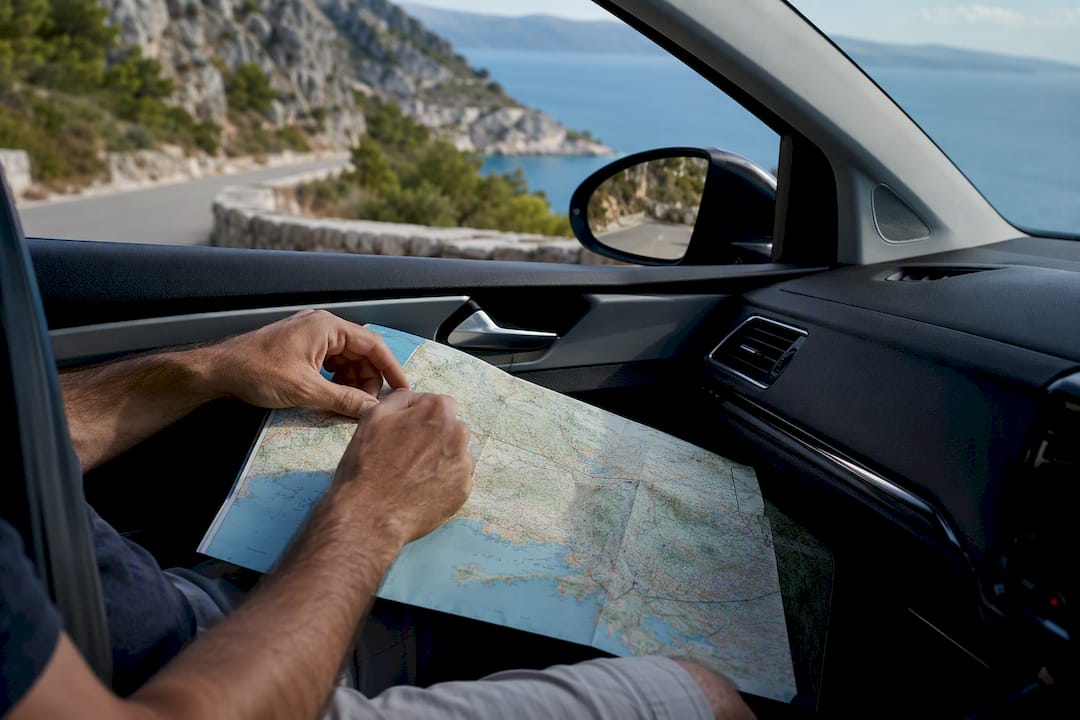
Personalization matters just as much for pace. Families with young kids need different stop lengths than a couple chasing photography light, and a fixed itinerary cannot flex for either. Licensed drivers and properly insured, air-conditioned vehicles remove the safety guesswork, letting the actual decisions, where to stop, how long to linger, be about interest rather than logistics.
Ready to book your private Croatian sightseeing transfer?
Croatia-private-transfers gives you a direct alternative to piecing together buses, ferries, and rental cars for a trip that deserves better pacing. Every transfer comes with a licensed, English-speaking driver, a modern Mercedes-class vehicle, and stops built around what you actually want to see, not a fixed tour schedule shared with strangers.
Booking takes three steps: send your travel dates and pickup and drop-off points, confirm which stops and vehicle class fit your group, then receive a written quote and confirmation before you travel. Whether you want the coastal run from Split to Dubrovnik, a day trip to Plitvice Lakes, or a multi-day combination of coast and inland parks, the same standard applies: licensed drivers, transparent pricing, and an itinerary shaped around you. Start your request on the private transfers landing page and get a written quote before your dates fill up.
Where to go for more route planning and inspiration
A few more pages round out your planning before you lock in dates.
- Zagreb to Split transfer with a Plitvice Lakes stop for a ready-made inland to coastal combination.
- Best scenic routes in Croatia for choosing between coastal and inland drives.
- What is a scenic private tour? for a deeper look at how these transfers differ from standard tours.
- Croatia by sea for pairing a land transfer with a coastal sailing leg.
Frequently asked questions about razgledni transfer hrvatska
How long does a Split to Dubrovnik sightseeing transfer take?
A direct transfer takes 3.5 to 4 hours. Adding scenic stops like Ston, Pelješac, or Korčula extends the day to 6 to 10 hours depending on how many you request.
Are entrance fees included in a private sightseeing transfer?
Usually not. The base price covers the driver, fuel, and tolls, while national park entries, guided tours, and tastings are typically quoted separately.
Do I need a passport for a transfer to Mostar or Kravice Falls?
Yes. Both destinations sit in Bosnia and Herzegovina, so bring a valid passport and expect a short delay at the border checkpoint.
What is the best time of year to book a scenic transfer in Croatia?
Spring and early fall offer comfortable temperatures and lighter crowds, while July and August require booking well in advance due to peak demand.
Can the driver adjust the route for extra stops?
Most private providers welcome this, provided you confirm additional stops and any extra time when booking rather than requesting changes mid-route.
Sources
- Split to Dubrovnik Private Transfer Tour | Ston, Korčula, Mostar Routes
- Croatia Private Tours with Local Experts