

How to Plan Wine Tasting Tours: Day & Weekend Guide
TL;DR:
- A successful wine tasting tour hinges on careful planning of region, wineries, reservations, transportation, and lunch. Clustering wineries within a 30-minute drive and reserving popular estates 2-4 weeks ahead optimizes the experience. Private transport offers safety, flexibility, and expertise, elevating the quality of the day.
A well-paced wine tasting tour comes down to five decisions made before you leave home: choose your region, shortlist several wineries, secure a few key reservations, arrange transport, and plan lunch. Get those right, and the day unfolds with the kind of unhurried pleasure that makes wine country worth the trip.
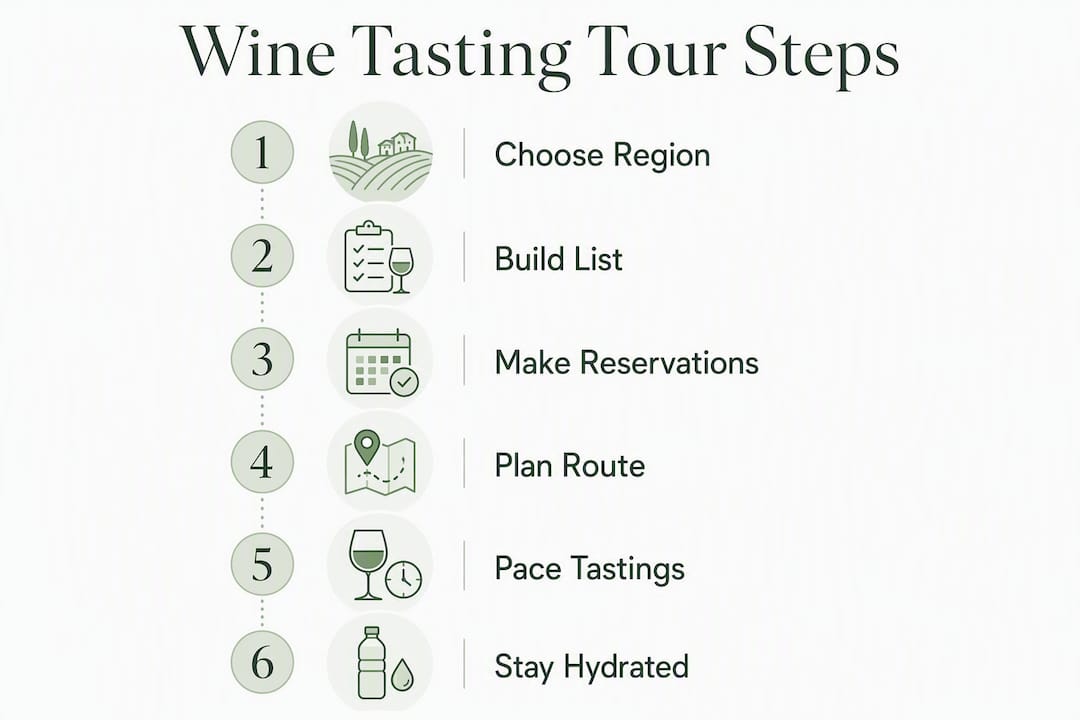
Your compact planning checklist:
- Choose a wine region that matches your trip length and wine style preferences
- Research 12–15 candidate wineries, then narrow to 5–8 strong options
- Book appointments at your top 2–4 picks at least 2–4 weeks in advance for popular estates
- Allocate 45–60 minutes per tasting, with 15–30 minute travel buffers between stops
- Confirm a designated driver, rideshare plan, or private transfer before the day
- Reserve a lunch spot, especially during peak season
- Pack a collapsible wine carrier, water bottle, and notepad or phone for tasting notes
Quick numbers to remember: Aim for 3–4 wineries per day; each tasting runs 45–60 minutes with 4–6 pours of about 1–2 ounces each. For high-demand estates, send your reservation request 2–4 weeks out.
Table of Contents
- Which wine region is the right fit for your trip?
- How do you build a winery list and lock in reservations?
- How do you pace a tasting day without burning out your palate?
- How do you taste like a pro and get the most from each visit?
- Transport options and safety: what are your real choices?
- Where to eat, where to stay, and what else shapes the day
- What should you pack, and how do you get bottles home safely?
- What does a wine tour actually cost, and when should you book?
- Sample 1-day and 2-day itineraries you can copy and adapt
- When does a private chauffeur genuinely improve the experience?
- Key Takeaways
- What actually turns a good wine tour into a memorable one
- Croatia-private-transfers: private wine touring done right
Which wine region is the right fit for your trip?
The region you choose shapes everything else: how many wineries you can realistically visit, what styles fill your glass, and how much time you spend in the car versus at the table.
Start by matching region to trip length. A single day works beautifully in a compact appellation like Paso Robles or the Willamette Valley’s Dundee Hills, where top producers cluster within a short drive of each other. A long weekend opens up larger territories: Napa Valley’s six visitor sub-AVAs, the Santa Ynez Valley’s distinct microclimates, or the rolling hills of Virginia’s Charlottesville wine country. According to wine travel planning frameworks, a day trip suits 2–3 wineries, a long weekend can cover 6–10 total, and a full week allows deeper exploration across sub-regions.
Wine style matters just as much as geography. If your group gravitates toward elegant Pinot Noir, Oregon’s Willamette Valley or California’s Sonoma Coast will reward you far more than Napa’s Cabernet corridor. Sparkling wine enthusiasts will find Anderson Valley and the Carneros AVA particularly rewarding. Matching the region to your palate means every stop feels purposeful rather than accidental.
Pro Tip: Before committing to a region, check the harvest calendar. Harvest months bring energy and color, but they also bring crowds and occasionally reduced public tasting access, as production staff are fully occupied. Spring and early summer tend to offer the best combination of access, atmosphere, and shorter wait times at tasting rooms.
Consider practical logistics alongside the romance of the destination. Confirm that your chosen wineries cluster within a 30-minute drive of each other, that rideshare services operate in the area (many rural wine regions have limited coverage), and that lodging options exist close enough to eliminate long end-of-day drives. A region that looks compact on a map can still surprise you with winding two-lane roads that double your travel time.
How do you build a winery list and lock in reservations?
The most reliable method starts broad and narrows deliberately. Begin with a research list of 12–15 candidate wineries, then evaluate each against three criteria: tasting style and format, fee structure, and geographic position on your route. From that pool, select a handful of strong contenders before you start mapping your day.
What to look for when evaluating candidates:
- Tasting format: seated flight, stand-up bar, cave tour, or reserve library tasting
- Fee: basic flights typically run $20–$40; reserve or library tastings often reach $50–$100+
- Reservation policy: appointments-only, reservation-preferred, or walk-in welcome
- Location relative to your other stops: aim to cluster within a 30-minute radius
- Cancellation policy: some estates charge a fee for no-shows or late cancellations
Once your shortlist is set, decide which visits genuinely need a reservation. Reserve tastings, cave tours, winemaker-led flights, and any visit to a high-profile estate almost always require advance booking. Walk-in-friendly spots, particularly smaller family producers and tasting rooms in town centers, can fill your flexible slots.
Booking sequence:
- Send reservation requests to your top 2–4 priority estates first, targeting 2–4 weeks ahead for popular producers during peak season.
- Hold one or two slots intentionally open for spontaneous discoveries or walk-in stops you find on the day.
- Confirm all reservations by email or phone the week before your visit.
- Screenshot or print confirmations, including the winery address and contact number, in case of connectivity issues in rural areas.
Guided tours suit first-time visitors who want structure and context, while self-guided itineraries give experienced travelers the freedom to linger at a favorite producer. Both approaches benefit from the same advance research; the difference is simply how much flexibility you build into the schedule.
How do you pace a tasting day without burning out your palate?
The recommended ceiling of a few tastings per day exists for a good reason. Each standard tasting delivers several small pours, and by the fourth stop, even experienced tasters notice that their ability to distinguish subtle differences begins to fade. Palate fatigue is real, and it quietly undermines the pleasure of every subsequent glass.
Map your stops geographically before you set times. Cluster wineries within a 30-minute drive of each other and build buffers between appointments to absorb a longer-than-expected tasting, a scenic detour, or a spontaneous purchase conversation with a winemaker. A schedule that looks tight on paper becomes genuinely stressful when a single delay cascades through the afternoon.
Pro Tip: Schedule your most important or reserve tasting first, when your palate is at its sharpest. A 10:00 or 10:30 AM appointment at a premium estate will yield far more nuance than the same tasting attempted at 3:00 PM after three prior stops.
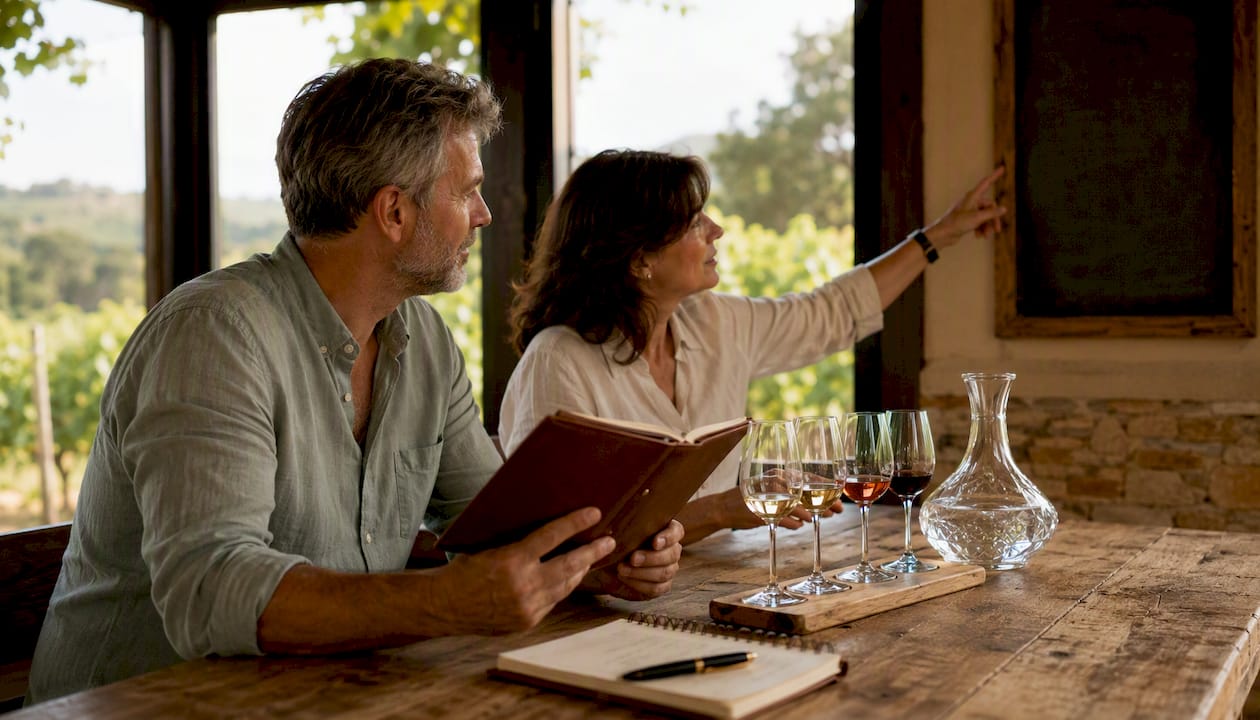
A practical daily structure looks like this: a reserved tasting at 10:00–10:30 AM, a second stop mid-morning, a leisurely lunch from noon to 1:30 PM, one or two afternoon visits, and a final 30-minute window before closing to buy bottles and pack them carefully. That rhythm leaves room for the unhurried conversations and quiet moments that make wine country memorable, rather than a checklist to sprint through.
How do you taste like a pro and get the most from each visit?
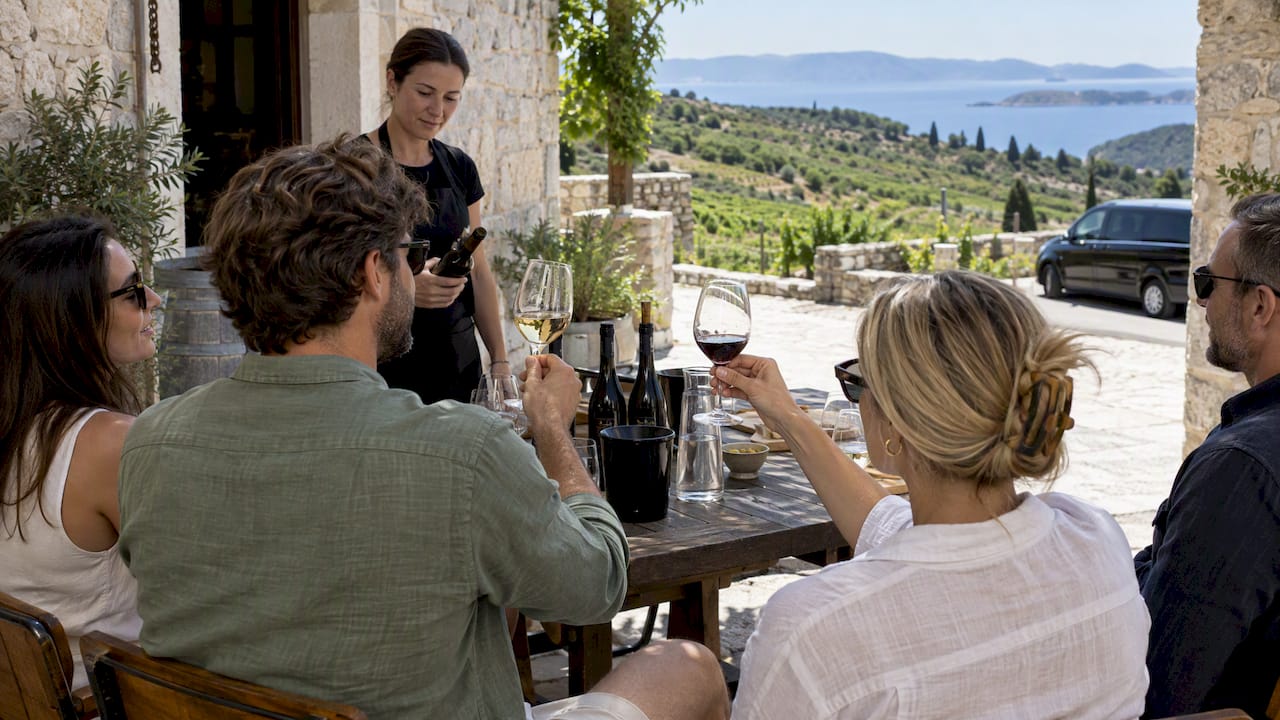
A tasting flight is a structured sequence of wines, typically 4–6 pours, served in a deliberate order from lighter to fuller styles. That progression matters: starting with a crisp sparkling wine or a bright white and moving toward heavier reds preserves your ability to perceive detail throughout the flight. Reversing that order, or jumping between styles randomly, accelerates palate fatigue.
Professional tasters use spit buckets without hesitation, and you should too on a multi-stop day. Spitting is not a sign of disrespect; it is how sommeliers evaluate dozens of wines in a single session without losing their edge. Most tasting rooms provide them quietly, and using one signals that you take the experience seriously.
Note-taking does not require a formal system. A quick photo of the bottle label paired with a single line of impression (“bright cherry, dry finish, would buy for dinner parties”) is enough to reconstruct your preferences when you return home. Apps like Vivino or a simple notes app work well; the goal is capturing the impression while it is fresh, not writing a tasting essay.
Suggested questions that open real conversations:
- “What makes this vintage different from the last few years?”
- “Is there a wine you’d recommend pairing with a specific dish tonight?”
- “Do you offer any library or older vintages for tasting?”
On the question of fees: when you purchase a bottle, many estates waive the tasting fee entirely. Ask about this policy before you pay, particularly at smaller producers where the gesture matters more to them than the fee revenue.
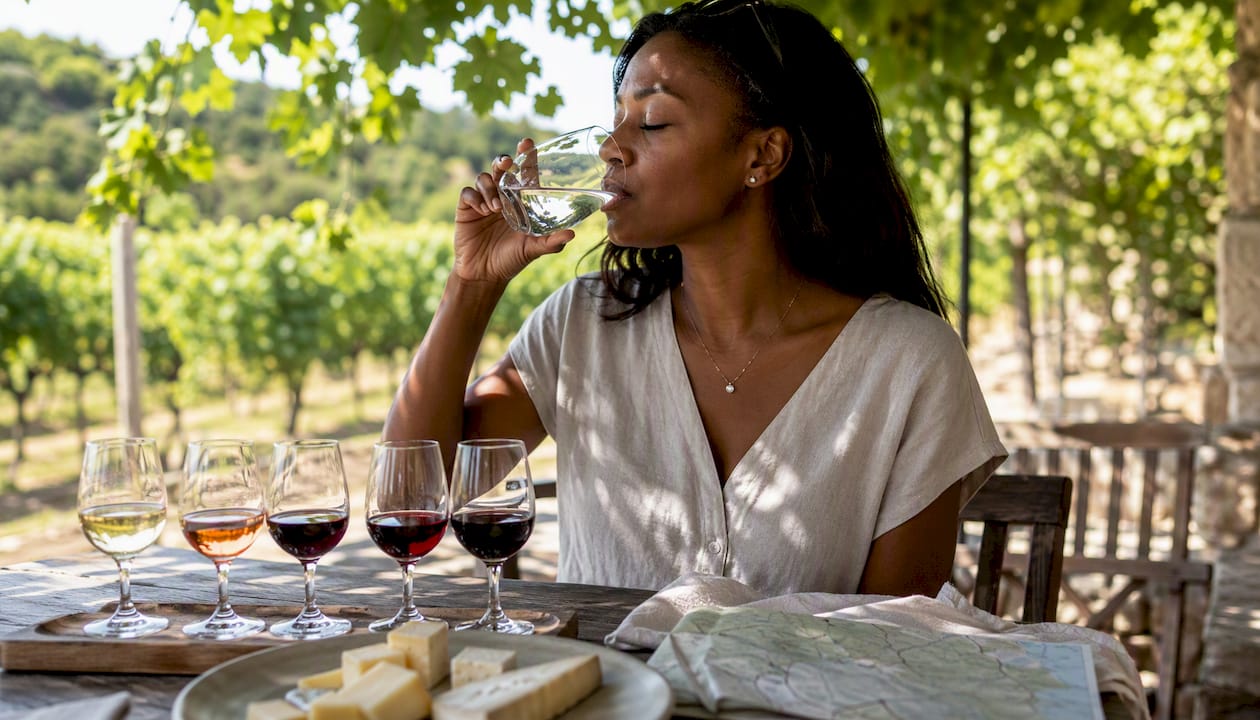
Pro Tip: Drink water between every flight, not just between stops. Hydration slows alcohol absorption and keeps your palate cleaner. Most tasting rooms provide water; if yours does not, carry a bottle.
Transport options and safety: what are your real choices?
The clearest rule in wine touring is also the simplest: do not drive after multiple tastings. Even at 1–2 ounces per pour across three or four stops, the cumulative effect is meaningful, and rural wine country roads are rarely forgiving.
Transport options compared:
- Designated driver: Free, but one person sacrifices the full tasting experience. Works well for groups of two where one person genuinely prefers not to drink.
- Rideshare (Uber/Lyft): Convenient in regions with reliable coverage, but rural wine country often has limited availability, surge pricing on weekend afternoons, and long wait times between wineries.
- Public transport: Available in a handful of wine regions (some Napa Valley routes, for example), but schedules rarely align with tasting room hours and transfers add significant time.
- Shuttle or wine tour bus: Structured group departures, fixed routes, and shared costs. Good value for solo travelers or couples joining a group; less flexible for custom itineraries.
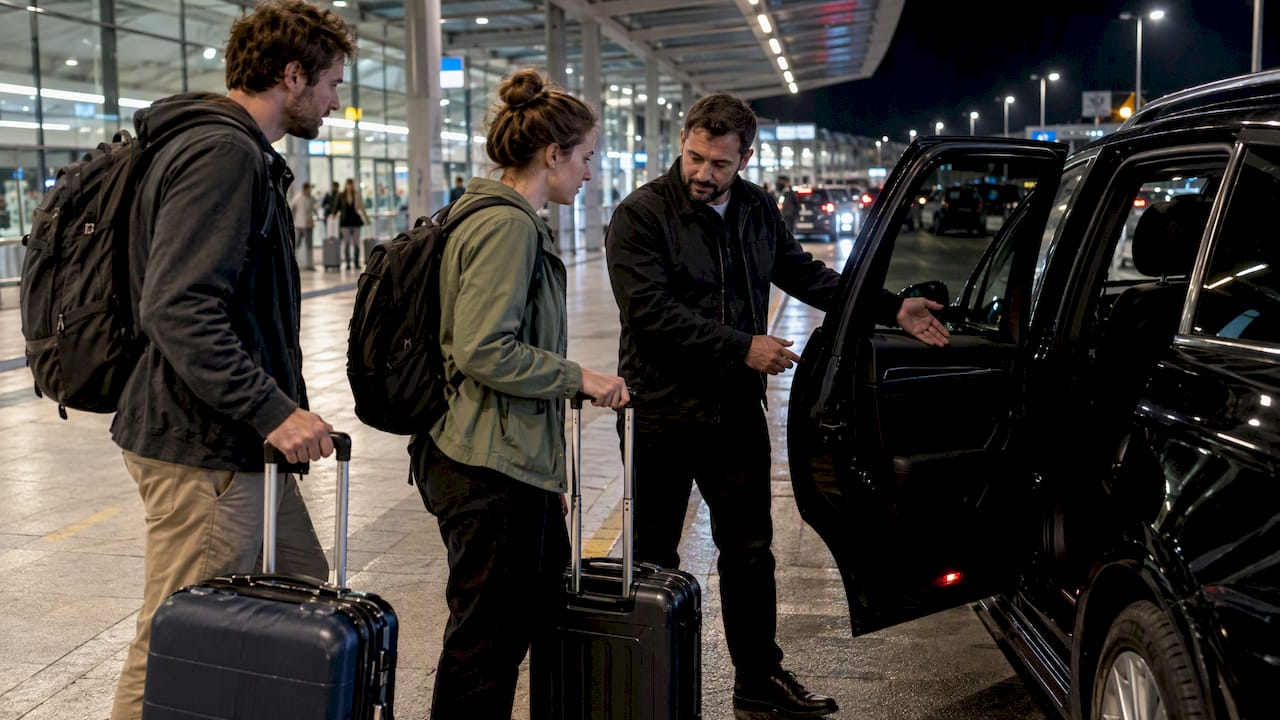
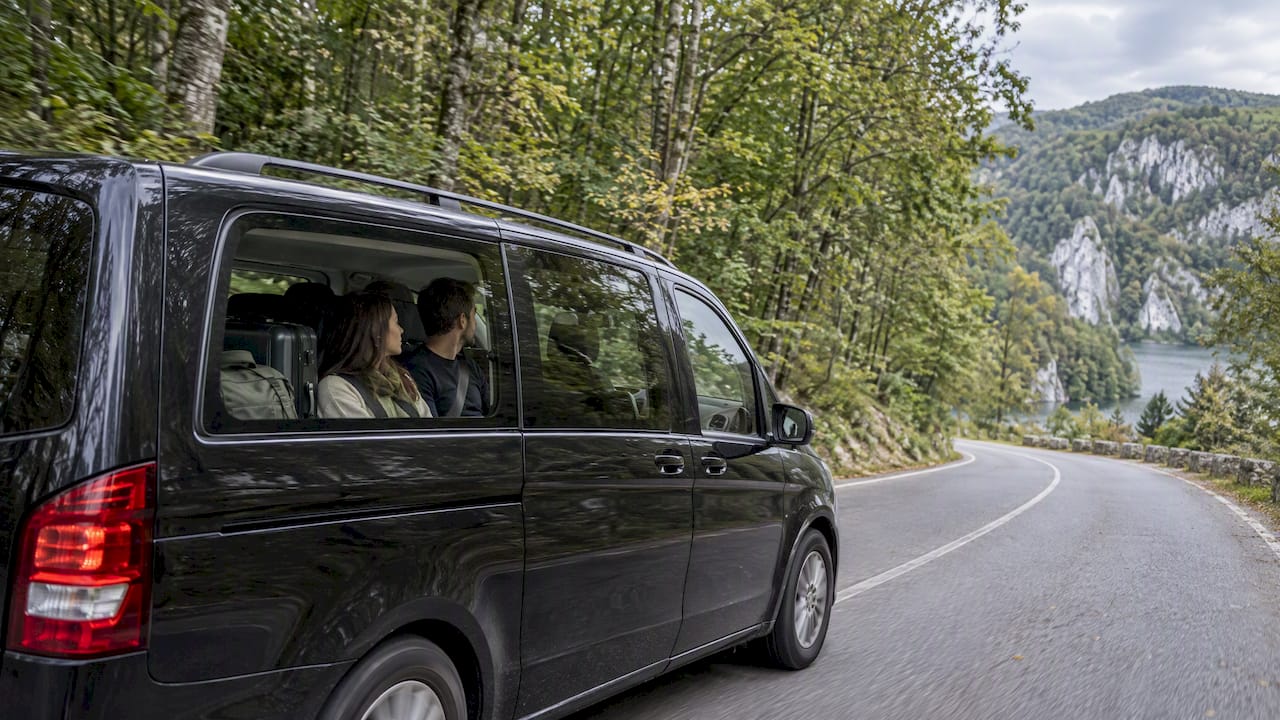
- Private chauffeur or transfer: Door-to-door service, fully flexible scheduling, and a driver who can wait while you linger. The most relaxed option for multi-stop days, particularly for groups of four or more splitting the cost.
Safety note: Oregon, California, and most US wine states enforce a 0.08% blood alcohol limit. Wine touring on a multi-stop day makes it genuinely difficult to gauge your own level accurately. Arranging non-driving transport before you leave is the single decision that removes all uncertainty.
For groups of four to six people, the per-person cost of a private transfer often compares favorably to the combined cost of rideshare rides across a full day, particularly when you factor in wait times and the freedom to adjust your schedule on the fly. Understanding the full value of private transport goes beyond safety: it includes the ability to store purchased bottles safely, rely on a driver who knows the roads, and arrive at each appointment on time without the anxiety of parking.
Where to eat, where to stay, and what else shapes the day
Lunch is not a logistical afterthought on a tasting day. It is the reset that makes the afternoon enjoyable. A proper midday meal, ideally something with bread, protein, and fat, slows alcohol absorption and refreshes the palate. During peak season in popular regions like Napa or Sonoma, the best restaurants fill up by 11:30 AM. Book your lunch reservation at the same time you book your winery appointments.
Position your lunch spot geographically between your morning and afternoon stops. A 60–90 minute midday break is the right length: enough time to eat without rushing, but not so long that the afternoon feels truncated. Towns like Yountville in Napa, McMinnville in Willamette Valley, and Los Olivos in Santa Ynez are well-positioned lunch hubs with strong restaurant options.
Pro Tip: Stay as close to your chosen sub-region as possible. Driving 45 minutes back to a distant hotel after a full tasting day adds fatigue and cost. Many wine regions have charming inns, bed-and-breakfasts, or boutique hotels within the appellation itself, and booking one of these means your last tasting of the day can be genuinely your last stop.
A few practical logistics worth confirming in advance: mobile reception in rural wine country is often unreliable, so download your winery confirmations and maps offline before you leave. Identify a spot to store purchased bottles during the day, whether that is your vehicle’s trunk (in cooler weather) or a winery’s hold service. And note restroom availability: not every tasting room has facilities, particularly at small estate producers.
What should you pack, and how do you get bottles home safely?
Packing for a wine tasting day is lighter than most travelers expect, but a few specific items make a real difference.
Essential packing list:
- Collapsible wine carrier or padded wine tote (holds 2–6 bottles)
- Individual padded wine sleeves for checked luggage transport
- Small daypack or crossbody bag for personal items
- Reusable water bottle (at least 16 oz)
- Notepad or phone with a notes app for tasting impressions
- Light layers for cellar temperatures, which often run 55–60°F regardless of outside weather
- Sunscreen and comfortable walking shoes for vineyard walks
For bottles purchased during the tour, you have three main options: carry them in your vehicle, pack them in checked luggage, or ship them directly from the winery.
Shipping becomes the practical choice when you purchase 6–8 or more bottles, since airline checked-luggage fees, breakage risk, and weight limits make carrying that volume home genuinely inconvenient. Many wineries partner with specialist shipping providers and can arrange direct-to-door delivery; ask about fees, transit times, and whether they ship to your state, as wine shipping laws vary by destination.
Pro Tip: If you do pack bottles in checked luggage, wrap each one in a padded sleeve, then surround it with soft clothing. Place bottles in the center of the bag, not near the edges. A wine skin (an inflatable plastic sleeve designed for travel) adds an extra layer of protection and is worth the $15–$20 investment if you travel to wine regions regularly.
For temperature-sensitive wines, particularly delicate whites or older vintages, ask the winery whether they offer temperature-controlled shipping. Summer shipping across hot states can damage wine in transit; a reputable winery will advise you honestly on timing and carrier options.
What does a wine tour actually cost, and when should you book?
Tasting fees vary widely by region and tier. Basic flights at smaller producers typically run $20–$40 per person; reserve or library tastings at high-profile estates often reach $50–$100 or more. Lunch for two at a mid-range wine country restaurant runs $60–$100 before tip. A private driver or chauffeur for a full day in a major US wine region generally starts around $300–$500 for the vehicle, which splits favorably across a group of four to six. Lodging in wine country ranges from $150 per night at modest inns to $400+ at boutique properties during peak season.
Reservation timeline (work backward from your travel date):
- 8–12 weeks out: Book lodging, especially for weekend visits during harvest (September–November) or spring bloom season.
- 4–6 weeks out: Reserve your private driver or shuttle service.
- 2–4 weeks out: Send reservation requests to your top winery picks, particularly for reserve tastings or high-demand estates.
- 1 week out: Confirm all winery appointments, recheck opening hours, and book your lunch reservation.
- Day before: Download maps and confirmations offline; pack your wine carrier and layers.
Tipping norms in US tasting rooms are evolving. A $5–$10 tip per person for an attentive, knowledgeable host is increasingly common and genuinely appreciated, particularly at smaller family estates where the person pouring your wine may also be the winemaker. Cancellation policies vary: some estates charge a fee for no-shows or cancellations within 24–48 hours, so read the fine print when you book.
Pro Tip: For planning a spirit-focused or tasting-focused tour of any kind, the same backward-booking logic applies: lock transport first, then tastings, then dining. Transport is the hardest element to replace at the last minute.
Sample 1-day and 2-day itineraries you can copy and adapt
These templates work for most US wine regions. Adjust start times and travel windows to match your specific geography.
One-day itinerary
- 9:30 AM Depart lodging or meeting point; driver confirms route and first stop.
- 10:00 AM First tasting (reserved, premium flight): 60 minutes. This is your palate’s peak window.
- 11:15 AM Second stop (walk-in or reserved): 45 minutes. Lighter style or a contrast producer.
- 12:15 PM Travel to lunch location.
- 12:30–1:45 PM Lunch. Sit down, eat well, hydrate.
- 2:00 PM Third tasting (reserved or walk-in): 45–60 minutes.
- 3:15 PM Optional fourth stop if energy and palate allow: 30–45 minutes.
- 4:15 PM Purchase and pack bottles; confirm any shipping arrangements with the winery.
- 5:00 PM Return to lodging or departure point.
Two-day itinerary
Day 1: Orientation and lighter styles
- Morning: two walk-in or lightly reserved stops focused on whites, rosé, or sparkling wines.
- Lunch: casual, central to the sub-region.
- Afternoon: one reserved tasting at a mid-tier producer; one spontaneous stop at a small family estate.
- Evening: dinner at a wine country restaurant; check in to lodging within the appellation.
Day 2: Reserve tastings and deeper exploration
- Morning: one premium reserved tasting (cave tour, winemaker flight, or vertical); this is the day’s centerpiece.
- Late morning: one contrast producer, a different AVA or style.
- Lunch: longer, more relaxed midday meal.
- Afternoon: one final stop for bottle purchases and shipping arrangements.
- Late afternoon: depart with bottles packed and notes saved.
Timing matrix (copy and adapt):
| Stop | Appointment time | Travel from previous | Tasting length | Notes |
|---|---|---|---|---|
| Stop 1 | 10:00 AM | — | 60 min | Reserved; premium flight |
| Stop 2 | 11:30 AM | 15 min | 45 min | Walk-in or reserved |
| Lunch | 12:30 PM | 15 min | 45–60 min | Book in advance |
| Stop 3 | 2:00 PM | 15 min | 45 min | Reserved |
| Stop 4 | 3:15 PM | 15 min | 45 min | Optional; walk-in |
When does a private chauffeur genuinely improve the experience?
The practical case for private transport on a wine tour goes well beyond safety, though safety alone justifies the decision. A knowledgeable local driver brings route familiarity that no map app replicates: awareness of which back roads save time, which wineries have tricky parking, and where the best spontaneous stops are between appointments. That local intelligence quietly upgrades the day.
For groups of four to six, the economics often work in favor of a private transfer. Split across the group, a full-day private driver at $300–$500 can cost less per person than a full day of rideshare rides, particularly in rural regions where surge pricing and long wait times are common. Add the ability to store bottles safely in a climate-appropriate vehicle, arrive at each tasting on schedule, and adjust the itinerary in real time, and the value proposition becomes clear.
Pro Tip: For a private wine tour experience, book your driver before you finalize your winery list. A good chauffeur can advise on realistic travel times between your chosen stops and flag scheduling conflicts before they become problems on the day.
Three scenarios where private transport moves from convenient to genuinely worth it: a group making significant bottle purchases where shipping logistics are uncertain; a premium itinerary with timed reserve tastings where a single delay cascades; and any group where one or more members have mobility considerations that make rideshare logistics complicated. In all three cases, the per-person cost is modest relative to the total trip investment, and the experiential return is substantial.
The benefits of luxury transport for discerning travelers extend to the details: a driver who handles luggage and bottles, a vehicle that is waiting when you are ready to leave (not five minutes after you request one), and the freedom to linger at a tasting without watching the clock for a rideshare pickup.
Key Takeaways
A well-planned wine tasting tour requires no more than 3–4 stops per day, reservations sent 2–4 weeks ahead for top estates, and transport arranged before a single bottle is poured.
| Point | Details |
|---|---|
| Daily stop limit | Cap at 3–4 wineries per day; each tasting runs 45–60 minutes with 4–6 pours of about 1–2 oz each. |
| Reservation lead time | Book popular and reserve tastings 2–4 weeks in advance; confirm all appointments the week before. |
| Transport rule | Arrange a designated driver, shuttle, or private chauffeur before the day; never rely on improvised rideshare in rural regions. |
| Packing essentials | Bring a collapsible wine carrier, padded sleeves, water bottle, and light layers for cellar temperatures. |
| Croatia-private-transfers | For wine touring that calls for a private, knowledgeable driver and a fully flexible schedule, Croatia-private-transfers offers curated private transfer and tour services built around exactly this kind of day. |
What actually turns a good wine tour into a memorable one
The most common mistake in wine tour planning is treating it like a sightseeing checklist: more stops, more stamps, more ground covered. The tours that stay with you are almost always the ones where you spent an extra 20 minutes talking to a winemaker about a single barrel, or where you sat on a terrace long enough to actually taste the difference between two vintages side by side.
Depth beats breadth, consistently. Fewer wineries visited with genuine attention produce clearer impressions, more considered purchases, and a richer sense of place than six rushed stops ever will. The quality of a tasting experience tends to decrease as itinerary speed increases, and that is a trade-off worth making deliberately rather than discovering at the end of a long day.
The other element that separates good tours from great ones is the unbooked slot. Leaving one afternoon stop deliberately open for discovery, a small producer spotted from the road, a recommendation from your lunch server, a winery a host mentions in passing, creates the kind of spontaneous moment that no amount of advance research can manufacture. Plan carefully, then leave room for the day to surprise you.
Croatia-private-transfers: private wine touring done right
Planning a wine tasting itinerary takes real effort: research, reservations, route mapping, and the constant logistics of keeping a group on schedule without anyone feeling rushed. The transport piece, often treated as an afterthought, is actually the variable that determines whether the day flows or fractures.
Croatia-private-transfers offers private transfers and fully tailored tour itineraries for travelers who want the planning handled with the same care they bring to choosing the wines. English-speaking drivers in premium Mercedes vehicles handle the routing, the timing, and the bottle logistics, so every person in the group can focus entirely on the experience. Whether you are organizing a single curated day or a multi-day wine touring itinerary, the bespoke private tour service is built around your schedule, your preferences, and your pace. Contact Croatia-private-transfers to arrange your private wine touring day.