
The Role of Local Expertise in Tours That Matter
TL;DR:
- Local guides deepen cultural understanding and offer insider access that transforms travel experiences. They ensure safety, flexibility, and sustainable tourism while creating meaningful personal connections. Relying on local expertise delivers authentic, enriching travel that digital tools alone cannot provide.
Local expertise in tours is defined as the deep cultural, historical, and logistical knowledge that trained local guides bring to every travel experience. This knowledge transforms a standard itinerary into something genuinely personal and memorable. Research confirms that guide competency in cultural interpretation directly drives tourist satisfaction and heritage preservation. Travelers who rely on local guides gain access to stories, places, and perspectives that no app or printed guidebook can replicate. The demand for authentic, personalized travel has never been stronger, and the local guide sits at the center of that shift.
How does local expertise shape cultural authenticity in tours?
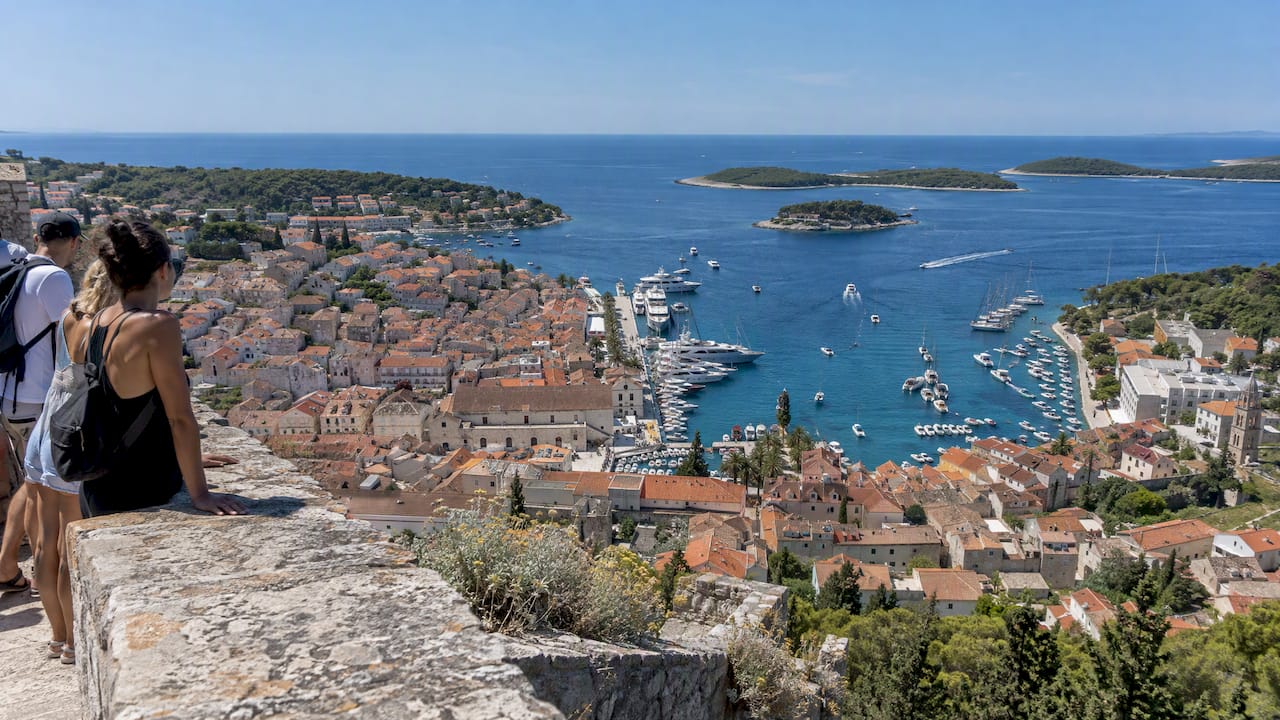
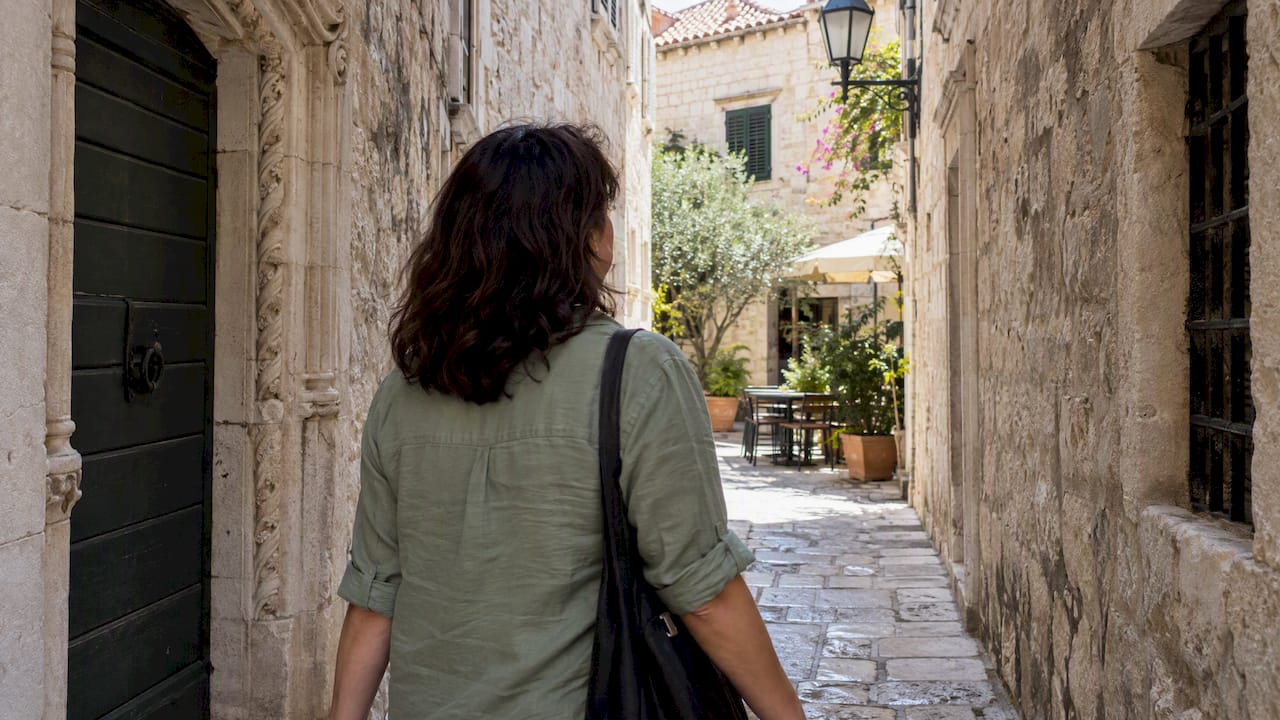
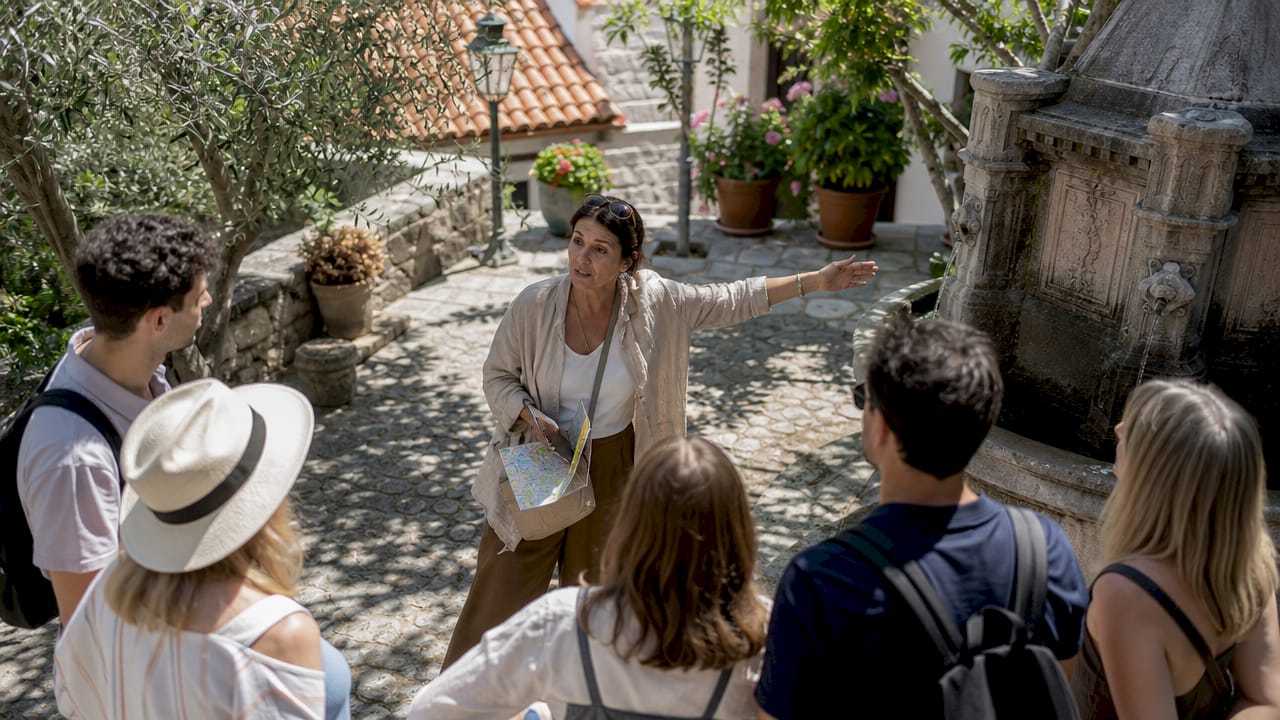
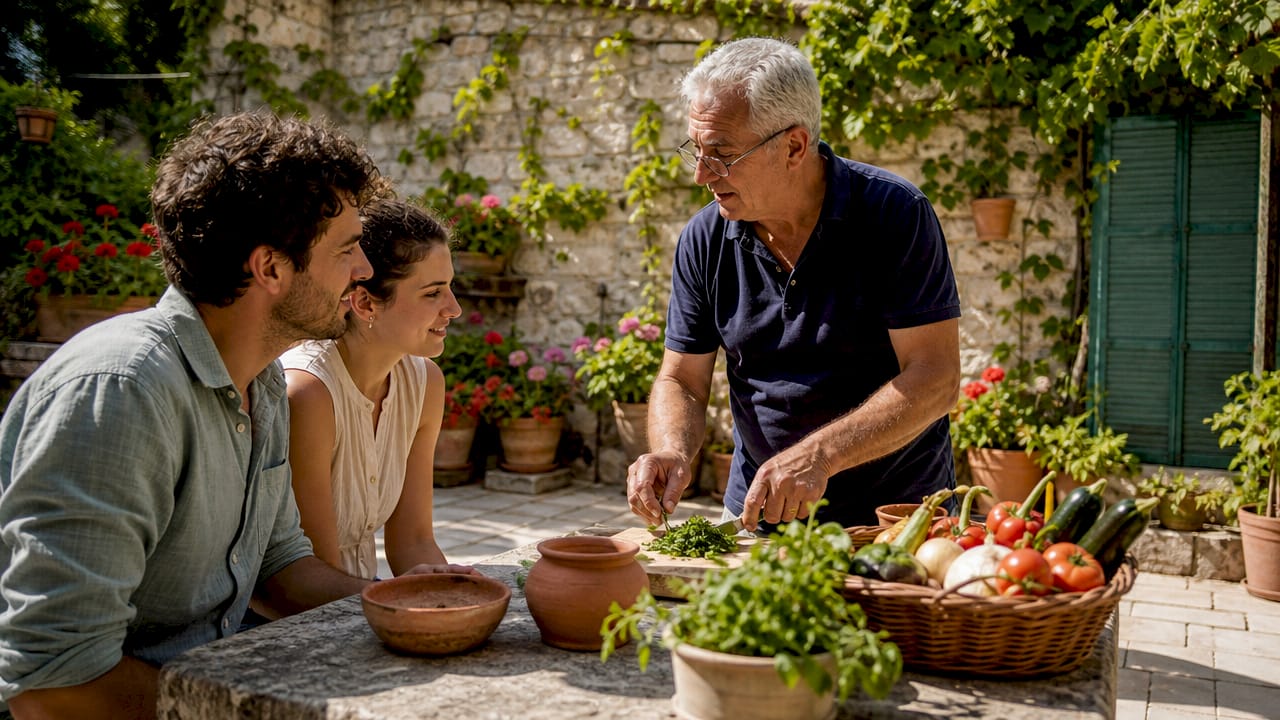
Local guides do far more than point at landmarks. They contextualize history, explain living traditions, and translate the symbolic meanings behind what travelers see. A guide leading you through Dubrovnik’s old city walls does not just cite construction dates. She explains which noble family commissioned which tower, why the city’s layout reflects a medieval obsession with water management, and which alley leads to a courtyard that locals still use for Sunday gatherings. That depth of storytelling is what transforms travel into cultural narrative rather than a checklist of sights.
The benefits of local knowledge extend well beyond history lessons. Guides carry insider access to places that never appear in travel apps:
- Hidden coves along the Dalmatian coast that require knowing a local fisherman
- Village markets where artisans sell traditional lacework, not mass-produced souvenirs
- Seasonal rituals, such as olive harvest festivals, that only happen if you know when and where to look
- Family-run konobas (traditional Croatian taverns) where the menu changes daily based on the catch
Pro Tip: Ask your guide about a local custom or food tradition before the tour begins. That single question often unlocks an entirely different, richer version of the day.
Research involving 12 local guides and 25 international travelers confirms that guides act as cultural interpreters whose communication skills directly shape how authentically visitors experience a destination. That finding matters because it places the guide’s role well above logistics. The guide is the primary filter through which culture reaches the traveler.
What practical roles do local guides play in safe, flexible travel?
Safety and adaptability are two of the most undervalued contributions that local guides make. Travelers often focus on cultural enrichment but overlook the practical layer of expertise that keeps a trip running smoothly.
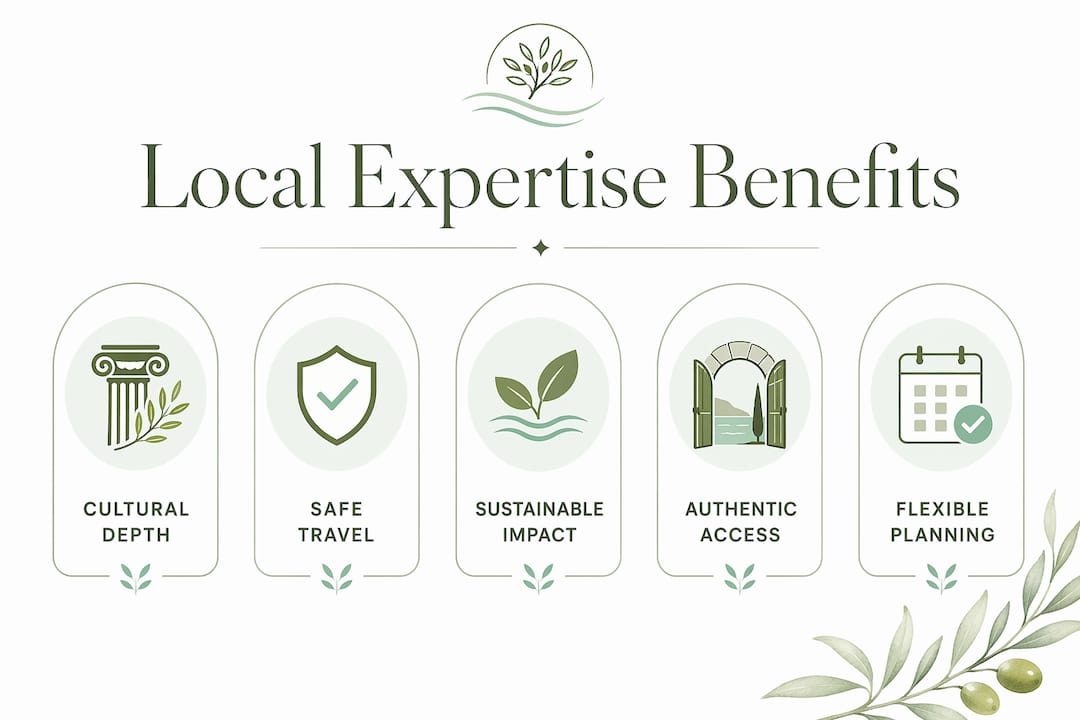
- Route knowledge. Local guides know which roads flood in october, which mountain paths require permits, and which neighborhoods are best avoided after dark. That knowledge protects travelers without requiring them to research every detail themselves.
- Real-time itinerary adjustment. Experienced guides pivot plans in real time based on weather, unexpected crowds, or traveler energy levels. If Plitvice Lakes is packed on a tuesday morning, a skilled guide reroutes to a quieter trail without losing any of the experience’s quality.
- Cultural etiquette compliance. Guides brief travelers on dress codes for religious sites, photography restrictions, and appropriate behavior in sensitive locations. This prevents awkward or disrespectful situations before they happen.
- Access to restricted sites. Local guides leverage community relationships to open doors that remain closed to independent travelers. A monastery courtyard, a private vineyard, or a conservation zone may only be accessible through a guide with established local trust.
- Emergency navigation. In unfamiliar environments, guides know the nearest medical facility, the local emergency number, and the fastest route out of a difficult situation.
Pro Tip: When booking a private guide, ask specifically about their contingency planning. A guide who can name two alternative sites for every planned stop is a guide who has done this work seriously.
Solo travelers and families with children benefit most from this practical layer of expertise. The peace of mind that comes from traveling with someone who genuinely knows the territory is not a luxury add-on. It is a core part of what makes a trip feel effortless.
How does local expertise support sustainable tourism?
Local guides are one of the most direct channels through which tourism spending reaches the communities that host travelers. When a guide recommends a family-run restaurant over a chain hotel dining room, or steers a group toward a cooperative craft shop rather than an airport gift store, money stays in the local economy. Research shows that direct local bookings strengthen community welfare and help preserve traditional crafts and livelihoods that would otherwise fade under commercial pressure.
The connection between guide professionalism and community development is well documented. A three-year assessment of community-based tourism projects found that professional guide training boosts local income, creates jobs, and safeguards both cultural and natural assets. That link is significant. It means investing in a trained local guide is not just a personal travel choice. It is a contribution to the long-term health of the destination.
| Benefit | What it means for travelers and communities |
|---|---|
| Economic retention | Spending stays local rather than flowing to international platforms |
| Heritage preservation | Guides actively teach travelers to respect and protect cultural sites |
| Job creation | Professional guiding supports stable local employment |
| Environmental stewardship | Guides educate travelers on conservation practices at natural sites |
Local guides also navigate the tension between authenticity and commercial pressure. Research shows that guides shape local identities for visitor consumption, which creates a responsibility to represent culture honestly rather than perform a simplified version of it. The best guides hold that line with care, offering travelers a genuine window into local life rather than a curated spectacle.
What sets seasoned local experts apart from scripted guides or apps?
The difference between a true local expert and a scripted group guide is the difference between a conversation and a lecture. Generic guides follow fixed routes, deliver rehearsed commentary, and rarely adapt to what a specific group of travelers actually wants to know. Local experts read the room, follow curiosity, and adjust depth and focus in real time.
Travel apps offer broad coverage but lack the one thing that makes cultural knowledge meaningful: human context. An app can tell you that a church was built in 1459. A local guide tells you why the community still gathers there every friday evening, what the frescoes inside mean to the families whose ancestors painted them, and which local baker sells the bread that has been blessed there for generations. Private local guides provide personalized cultural exchange and real-time flexibility that scripted group tours cannot match.
“Authentic travel increasingly depends on local relationships and insider knowledge to go beyond generic recommendations. The guide is not a supplement to the experience. The guide is the experience.”
Local experts also function as cultural gatekeepers. They decide which stories get told, which places get visited, and how travelers are prepared to receive what they encounter. That curatorial role carries weight. A skilled guide at Croatia’s Krka Waterfalls does not just describe the ecosystem. She explains the conservation rules, the history of the mills along the river, and why the local community fought to keep the site from overdevelopment. That perspective shapes how travelers leave a place, and whether they leave it better than they found it.
The importance of local guides becomes clearest when you compare the emotional residue of each experience. Travelers who use scripted group tours often remember the sites. Travelers who work with genuine local experts remember the people, the stories, and the moments that felt unrepeatable.
Key Takeaways
Local expertise is the single most reliable factor separating a forgettable tour from a genuinely transformative travel experience.
| Point | Details |
|---|---|
| Cultural depth over information | Local guides provide context, story, and meaning that apps and scripted tours cannot replicate. |
| Safety and flexibility | Guides adjust plans in real time and navigate access, etiquette, and emergencies with local knowledge. |
| Economic and community impact | Booking local guides channels spending directly into communities and supports heritage preservation. |
| Authenticity requires human connection | The most meaningful travel moments come from relationships and insider access, not itineraries. |
| Professionalism matters | Trained, licensed guides balance cultural integrity with traveler comfort and sustainable practices. |
Why I believe local expertise is the one thing you should never skip
Travelers sometimes tell me they researched a destination so thoroughly before arriving that they felt they did not need a guide. I understand that instinct. Good research is valuable. But research gives you facts. A local guide gives you meaning.
I have watched travelers stand in front of Diocletian’s Palace in Split and see Roman architecture. Then I have watched the same travelers, guided by someone whose family has lived in that city for generations, suddenly understand that people still live inside those ancient walls, that the palace is not a ruin but a neighborhood, and that the woman hanging laundry from a second-floor window is doing exactly what her great-grandmother did. That shift in understanding does not come from a guidebook.
The misconception I encounter most often is that technology has closed the gap between independent travel and guided travel. It has not. Apps surface information. Guides surface understanding. Those are different things, and the gap between them is where the most memorable travel experiences live.
Travelers who personalize their day trips with genuine local expertise consistently report richer, more emotionally resonant experiences than those who rely on digital tools alone. That pattern holds across destinations, budgets, and traveler types. Local knowledge is not a premium add-on. It is the foundation of travel worth remembering.
— Croatia
Curated local expertise, built into every Croatia-private-transfers experience
Croatia-private-transfers pairs every private transfer and tour with licensed, English-speaking drivers and guides who carry deep knowledge of Croatia’s culture, history, and hidden corners.
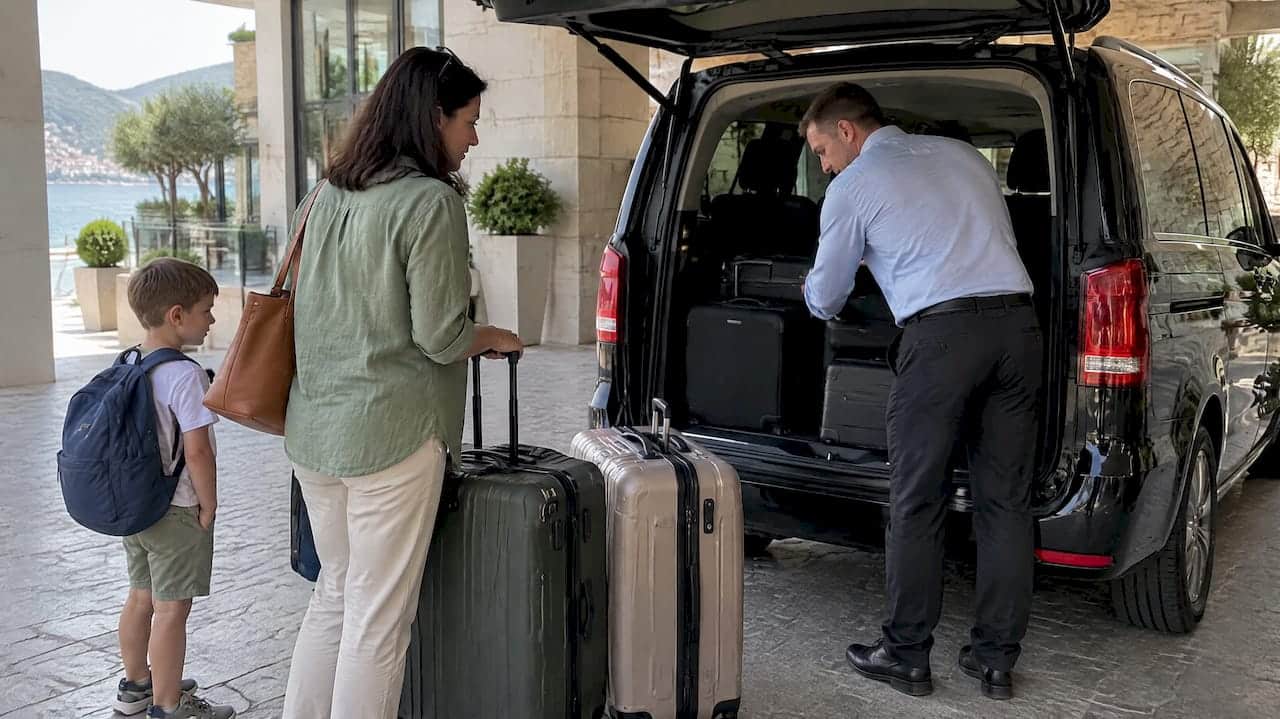
Whether you are arriving at Split Airport and want a driver who can point out the layers of history along the coastal road, or you are planning a bespoke private tour through Plitvice Lakes and Krka Waterfalls, every experience is shaped by genuine local insight. Croatia-private-transfers offers private transfers across Croatia in modern, air-conditioned Mercedes vehicles, with itineraries tailored to your interests, pace, and curiosity. The local expertise is not an optional extra. It is built into every booking.
FAQ
What is the role of local expertise in tours?
Local expertise in tours refers to the cultural, historical, and logistical knowledge that trained local guides bring to travel experiences. Research confirms that guide competency in cultural interpretation directly drives tourist satisfaction and heritage preservation.
Why are local guides better than travel apps?
Local guides provide human context, real-time flexibility, and access to culturally sensitive sites that apps cannot replicate. Apps deliver information; guides deliver meaning, relationships, and personalized experiences.
How do local guides support sustainable tourism?
Professional local guides channel tourism spending into local economies, create jobs, and educate travelers on conservation and respectful conduct. A three-year assessment of community-based tourism projects links guide professionalism directly to economic and cultural asset preservation.
What should I look for when choosing a local guide?
Prioritize licensed, trained guides who demonstrate cultural knowledge, flexibility, and the ability to name contingency plans. Private guides who offer personalized itineraries consistently outperform scripted group tour leaders in traveler satisfaction.
How does local expertise enhance tours in Croatia specifically?
Croatia’s layered history, UNESCO sites, and coastal culture reward travelers who have a guide who can explain the human stories behind the landscapes. Local guides in Croatia provide access to family-run restaurants, conservation zones, and cultural traditions that independent travelers rarely encounter.