

Explaining Luxury Travel Trends in 2026
TL;DR:
- Luxury travel now centers on access to meaning, privacy, and personal experiences rather than cost or opulence. Travelers prioritize slow, culturally immersive journeys with seamless logistics, emphasizing flexibility and authentic local engagement. The industry shifts toward privacy, sustainability, and personalized service that foster genuine connections and emotional fulfillment.
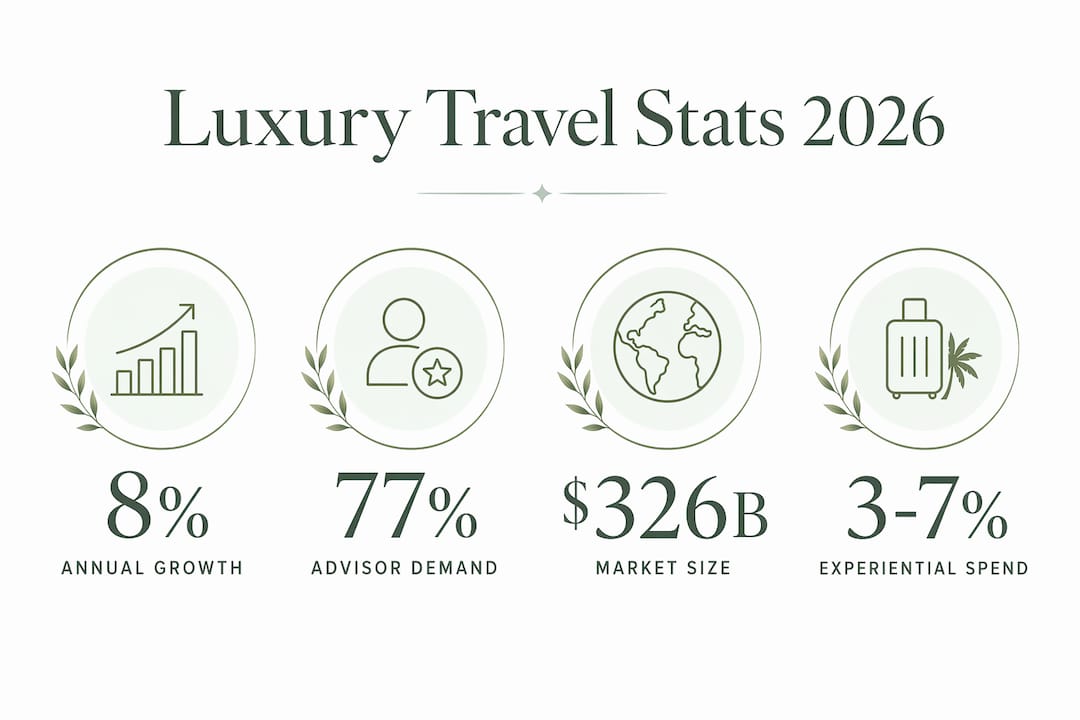
Luxury travel is defined by access to time, meaning, and exclusivity rather than by price tags or opulent surroundings. The global luxury travel market is valued at $326 billion in 2026, growing at 8% annually. That growth is not driven by five-star hotel counts or business-class seat upgrades. It is driven by a fundamental shift in what affluent travelers want: transformative, deeply personal experiences that leave a lasting emotional impression. Explaining luxury travel trends today means understanding that the industry has moved well beyond material excess and into the territory of meaning, privacy, and cultural depth.
What are the main drivers behind luxury travel trends in 2026?
The market data tells a clear story. Experiential luxury spending is projected to grow 3–7% in 2026, outpacing luxury goods growth of just 1–4%. Travelers are redirecting their budgets from things they can own to moments they can remember. That shift is reshaping every corner of the high-end travel industry.
Advisor data reinforces this picture. 77% of luxury travel advisors report increased client demand in 2026, and 71% see higher average spending per trip. The motivations behind these bookings are telling. Milestone celebrations, multigenerational family reunions, and significant anniversaries are driving many of the most ambitious itineraries. Travelers are not simply taking vacations. They are marking chapters of their lives with curated, once-in-a-lifetime experiences.
Spending patterns have also shifted toward specific categories. Bookings for unique dining, leisure, and entertainment experiences rose 30% in 2026. That figure reflects a traveler who wants a private chef’s table in a Venetian palazzo, a dawn visit to a UNESCO site before the crowds arrive, or a guided foraging walk through a Croatian olive grove. The experience itself is the luxury.
| Metric | 2026 Data |
|---|---|
| Global luxury travel market value | $326 billion |
| Annual market growth rate | 8% |
| Advisors reporting higher client demand | 77% |
| Advisors reporting higher average trip spend | 71% |
| Growth in experiential luxury spending | 3–7% |
| Increase in dining and entertainment bookings | 30% |
Key forces shaping demand include:
- Milestone travel: Significant birthdays, anniversaries, and family reunions are replacing standard leisure trips as the primary booking motivation.
- Multigenerational itineraries: Families spanning three generations are traveling together, requiring flexible, private arrangements that work for every age group.
- Bain & Co. research alignment: Industry analysis from Bain & Company consistently identifies experiences over goods as the dominant luxury spending category for the coming decade.
- Last-minute flexibility: Affluent travelers increasingly book closer to departure to maintain spontaneity and control over their schedules.
Pro Tip: If you are a travel advisor, lead client conversations with questions about life events rather than destinations. The emotional context behind a trip shapes every decision that follows, from accommodation type to daily pace.
How have consumer preferences in luxury travel shifted?
The definition of luxury has changed at its core. Privacy and control are now the primary pillars of high-end travel, replacing the traditional markers of visible opulence. Affluent travelers want exclusive-use villas, private vehicle transfers, and itineraries that no one else is following. The desire for seclusion over public display defines the modern luxury traveler’s mindset.
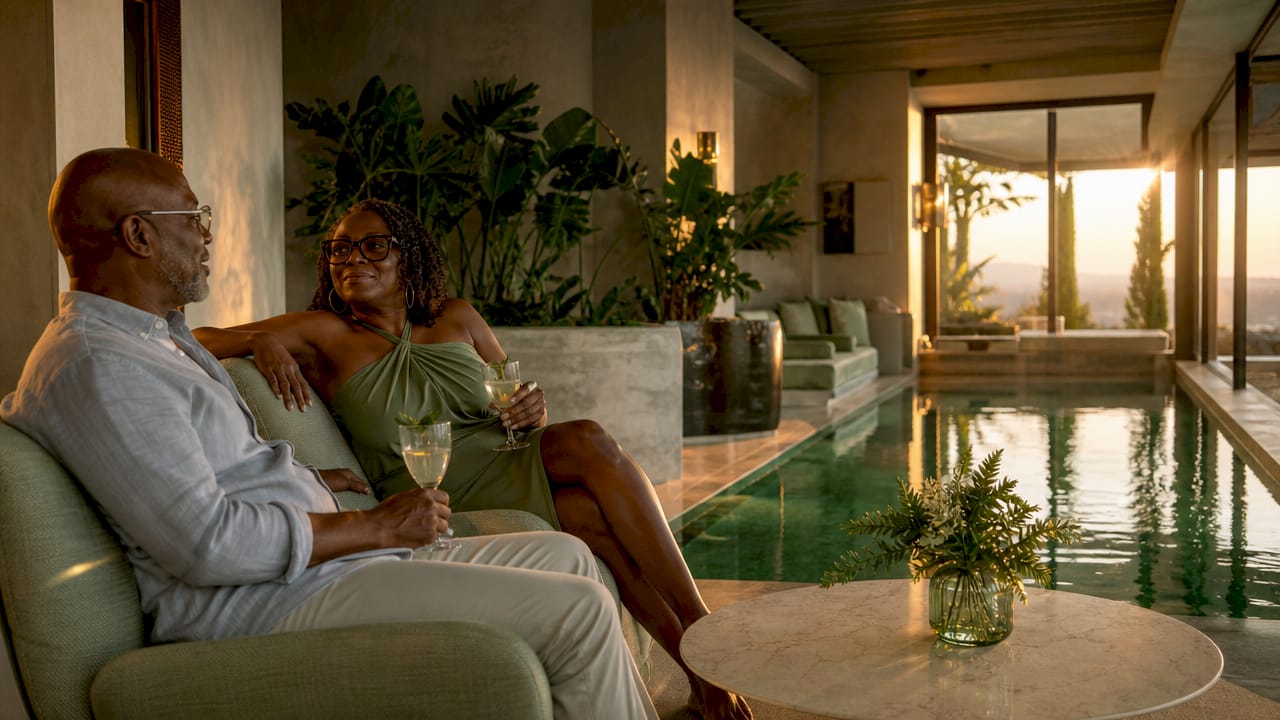
Sustainability has moved from a selling point to a baseline expectation. Luxury travelers now expect genuine environmental and community commitment from every provider they engage. Greenwashing is quickly identified and rejected by this audience. Providers who can demonstrate real conservation partnerships, local hiring practices, and low-impact operations earn lasting loyalty.
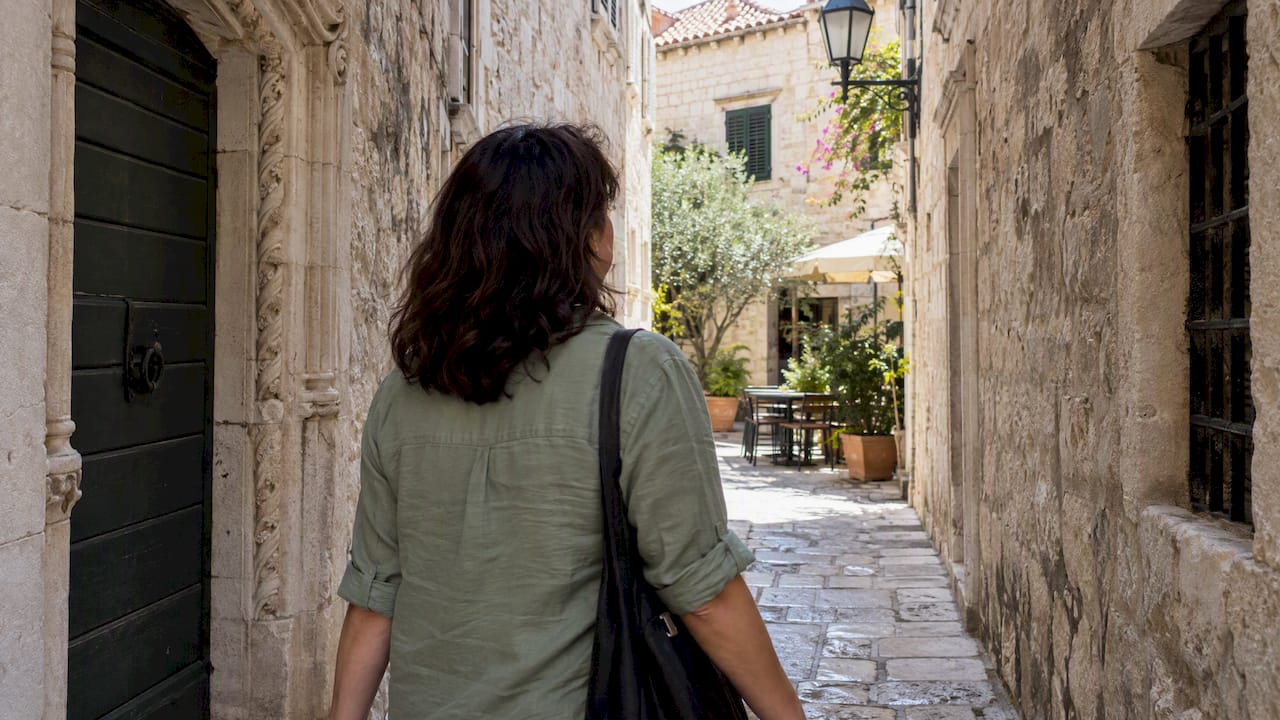
Cultural immersion has replaced sightseeing as the preferred mode of engagement. The shift is from observation to active participation. Travelers want to cook with local families, learn traditional crafts, walk through markets with a local guide who knows every vendor by name, and understand the layers of history beneath a destination’s surface. Personalized travel experiences of this depth require expert local knowledge that no app or generic tour can replicate.
“Luxury is increasingly defined by access to time, meaning, and exclusivity, shifting from sightseeing to active cultural participation.” — CNBC, 2026
Slow travel has become the preferred format for this kind of depth. Stays of 7–14 days at fewer locations allow travelers to build genuine connections with a place rather than collecting passport stamps. Rapid multi-country tours feel exhausting and superficial to this audience. The traveler who once spent ten days visiting six European capitals now spends ten days in one coastal region, learning its rhythms.
The shift toward human-centric customization is equally significant. Pre-trip check-ins, personal local experts, and thoughtfully paced itineraries create lasting value that expensive décor alone cannot match. Travelers remember how a trip made them feel, not the thread count of the sheets.
How do emerging destinations reflect current high-end travel trends?
Geography is shifting alongside preferences. Italy, Greece, and Japan remain perennial favorites for affluent travelers, offering depth of culture, culinary excellence, and timeless beauty. However, a new tier of destinations is drawing serious attention from discerning travelers who want discovery alongside quality.
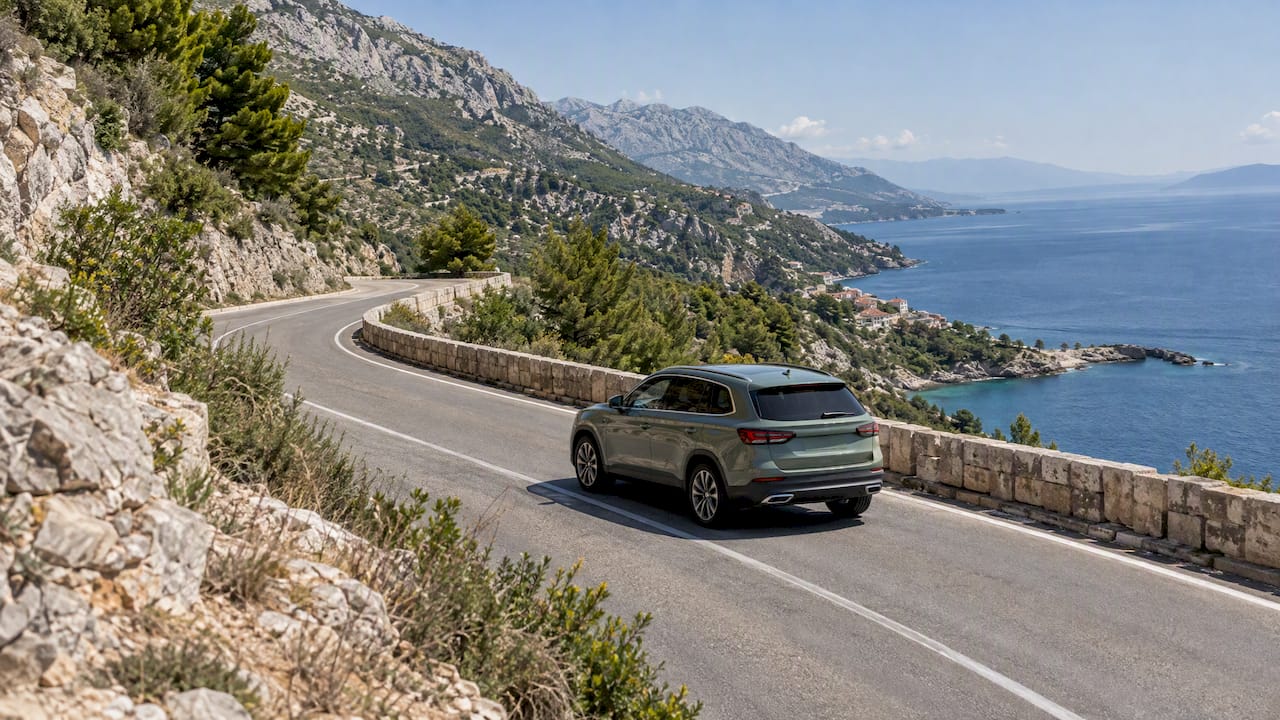
Croatia’s Dalmatian coast has emerged as one of the most compelling luxury destinations in Europe. The combination of UNESCO World Heritage sites, crystalline Adriatic waters, world-class cuisine, and intimate island communities offers exactly what the modern luxury traveler seeks. Portugal’s Alentejo region draws travelers with its cork forests, ancient hilltop villages, and exceptional wine estates. Both destinations reward the slow traveler who is willing to look beyond the obvious.
Emerging luxury travel styles reflect these geographical shifts:
- Historic stays: Travelers are booking restored palaces, fortified farmhouses, and centuries-old monasteries converted into exclusive properties. The building itself becomes part of the experience.
- Culinary immersion: Multi-day food and wine itineraries built around local producers, private tastings, and hands-on cooking sessions are among the fastest-growing luxury formats.
- Countryside retreats: Rural properties offering privacy, nature access, and authentic local life are outperforming urban luxury hotels in traveler satisfaction.
- Outdoor and active experiences: Private guided hikes, boat tours along dramatic coastlines, and exclusive water sports sessions appeal to travelers who want physical engagement with a landscape.
- Smaller, personalized tours: Groups of two to eight travelers are replacing large coach tours entirely in the luxury segment. Smaller groups enable genuine flexibility and deeper access.
| Destination type | Appeal for luxury travelers |
|---|---|
| Established (Italy, Greece, Japan) | Cultural depth, culinary excellence, proven infrastructure |
| Emerging (Croatia, Portugal’s Alentejo) | Discovery, intimacy, authentic local life |
| Rural retreats | Privacy, nature immersion, slow travel compatibility |
| Historic properties | Unique character, exclusivity, sense of place |
What practical implications do these trends have for travelers and professionals?
Removing friction is the defining service standard for luxury travel in 2026. The ultimate luxury experience is one where logistics are fully managed in advance, leaving travelers free to focus entirely on the experience itself. Pre-arranged transfers, confirmed reservations, and briefed local contacts eliminate the transactional moments that interrupt enjoyment. This standard applies whether a traveler is arriving at Split Airport or transferring between Dubrovnik and Kotor.
For travel advisors, the practical implication is clear. Defining luxury for each client individually is now the core skill. A family celebrating a 50th anniversary has entirely different needs than a couple seeking a private wellness retreat. Understanding what luxury means to each specific traveler, through detailed pre-trip conversations, is what separates excellent advisors from average ones.
Travelers planning their own trips benefit from several concrete approaches:
- Book flexible itineraries: Build in unscheduled time at each destination. The best experiences in luxury travel often arise from having the freedom to follow a recommendation from a local guide.
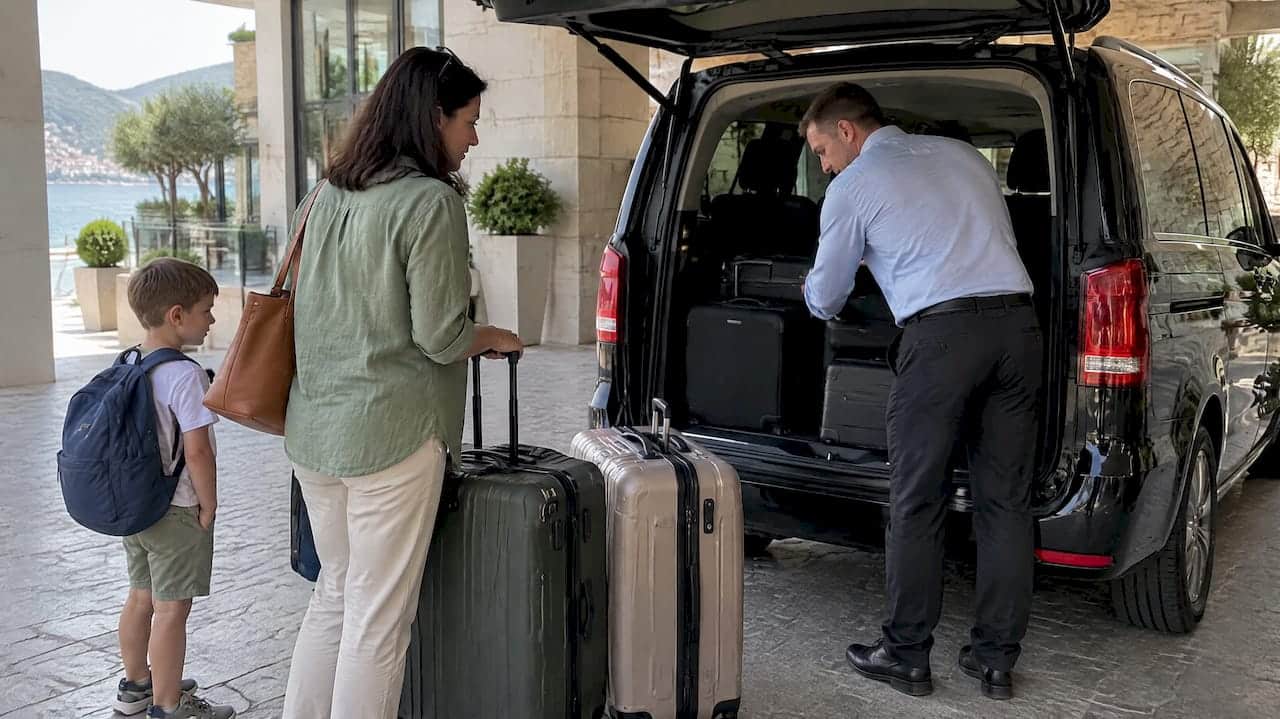
- Prioritize private transfers: Shared shuttles and public transport introduce unpredictability and friction. Private transfers in Croatia and similar destinations provide the controlled, comfortable transitions that protect the overall quality of a trip.
- Invest in local expertise: A knowledgeable local guide or driver who speaks the language and knows the region adds more value than any upgrade in room category.
- Plan for depth, not breadth: Resist the urge to add destinations. One region explored thoroughly delivers more satisfaction than four regions visited briefly.
Pro Tip: When planning a luxury itinerary, allocate at least one full unscheduled day per week. Experienced luxury travelers consistently rate these open days among their most memorable.
Key Takeaways
The most effective approach to luxury travel in 2026 is to prioritize depth, privacy, and personalization over volume, visibility, and material markers of status.
| Point | Details |
|---|---|
| Market growth is experience-led | The $326 billion luxury travel market grows 8% annually, driven by experiential demand. |
| Advisors confirm rising spend | 77% of advisors report higher demand and 71% see higher average trip spending in 2026. |
| Privacy is the new luxury signal | Travelers prefer exclusive-use properties and private transfers over public displays of status. |
| Slow travel delivers more value | Stays of 7–14 days at fewer destinations create richer cultural connections than rapid tours. |
| Friction removal defines service excellence | Pre-arranged logistics and local expertise are the clearest markers of a true luxury experience. |
What luxury travel has taught me about what travelers actually want
Working closely with travelers on Croatia’s Dalmatian coast, I have seen the shift in real time. The guests who arrive expecting a checklist of sights leave satisfied. The guests who arrive open to depth, to a slower pace, to the kind of morning where a local fisherman invites you aboard, leave transformed. Those two outcomes are not equally available to every traveler. They depend entirely on how a trip is built.
The conventional wisdom in luxury travel still leans heavily on property categories and airline classes. I think that framing misses the point almost entirely. The travelers I see returning to Croatia year after year are not coming back for the hotels. They are coming back because someone remembered their preferences, arranged a private boat to an island they mentioned once, and made them feel genuinely known. That is the experience that no star rating captures.
The trends point clearly toward 2027 and beyond. Travelers will continue to demand more privacy, more personalization, and more authenticity. The destinations and providers who deliver on those expectations at a human level, not just a logistical one, will define the next chapter of luxury travel. The future of luxury travel belongs to those who understand that the most valuable thing they can offer a traveler is not a room or a route. It is the feeling of being genuinely cared for.
— Croatia
How Croatia-private-transfers brings these trends to life
Croatia-private-transfers is built around the principles that define luxury travel today: privacy, personalization, and frictionless logistics from the first moment of arrival.
Every transfer is private, every vehicle is modern and air-conditioned, and every driver is licensed, English-speaking, and deeply familiar with the region. Whether you are arriving at Dubrovnik Airport, transferring between Split and Hvar, or planning a curated day trip to Plitvice Lakes or Krka Waterfalls, Croatia-private-transfers removes the logistical friction that interrupts a great trip. For travelers who want to go further, the bespoke tours and private transport options include wine tasting routes, coastal drives, and fully customized multi-day itineraries built around your interests. Luxury travel in Croatia starts with the right transfer.
FAQ
What is luxury travel defined as in 2026?
Luxury travel is defined by access to time, meaning, and exclusivity rather than by price or opulence. The focus has shifted from material markers to transformative, deeply personal experiences.
How large is the global luxury travel market?
The global luxury travel market is valued at $326 billion in 2026, growing at 8% annually. That growth is driven primarily by demand for experience-led travel rather than material goods.
Why are luxury travelers choosing slow travel?
Stays of 7–14 days at fewer destinations allow travelers to build genuine cultural connections rather than collecting brief impressions across multiple countries. Slow travel consistently delivers higher satisfaction for affluent travelers.
What does friction removal mean in luxury travel?
Friction removal means pre-arranging all logistics, including transfers, reservations, and local contacts, so travelers never encounter transactional interruptions during their trip. It is now considered the baseline standard for true luxury service.
How is Croatia positioned as a luxury destination?
Croatia’s Dalmatian coast combines UNESCO World Heritage sites, Adriatic coastline, exceptional cuisine, and intimate island communities. It appeals directly to luxury travelers seeking discovery, privacy, and authentic cultural depth.