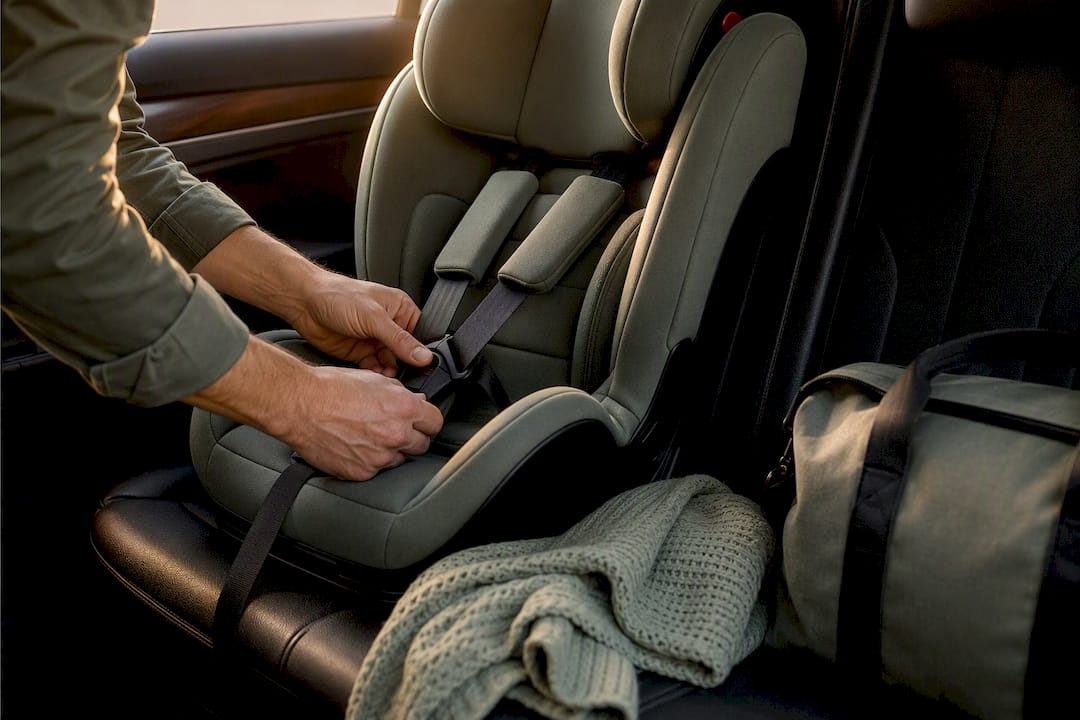


Croatia Airport Transfer Checklist: Your 2026 Guide
TL;DR:
- Pre-booking private transfers for Croatia’s airports ensures reliability, cost savings, and stress-free arrivals.
- Matching transport options to travelers’ profiles helps optimize comfort, timing, and budget during airport transfers.
A Croatia airport transfer checklist is a step-by-step planning tool that covers every decision between landing at Split, Dubrovnik, or Zagreb Airport and reaching your accommodation. Getting this right before you travel saves money, eliminates stress, and protects you from the unofficial touts who prey on unprepared arrivals. Croatia’s three main international airports each offer distinct transport options, and prices range from €3 for a local bus to €60 for a private door-to-door transfer. The right choice depends on your group size, arrival time, budget, and destination.
1. What transport modes does the Croatia airport transfer checklist cover?
Croatia’s airports offer five main transport categories, and knowing each one is the foundation of any solid transfer plan. Prices and reliability vary widely, so comparing them before you book is the single most valuable step you can take.
- Pre-booked private transfers: Private transfers cost €35–€60 depending on route and group size. They include meet-and-greet service, flight tracking, and door-to-door delivery, making them the most reliable option for families and late arrivals.
- Regulated taxis: Official taxi ranks sit just outside arrivals at every major Croatian airport. Regulated taxis run €30–€50 and use fixed fares, so there are no surprises at the end of the ride.
- Shuttle buses: Shared shuttles are the mid-range choice. At Split Airport, the Pleso Prijevoz shuttle costs €8. Dubrovnik Airport shuttles cost about €10, while shared shuttles across Croatia generally run €8–€12 per person.
- Local buses: The cheapest option by far. Split Airport’s bus #37 costs €4, and Dubrovnik’s local bus runs €3. Schedules are limited, though, and the routes add significant travel time.
- Ride-hailing apps (Uber and Bolt): Convenient for daytime arrivals in major cities. Uber and Bolt are less reliable after 10 PM and in remote locations, so they work best as a secondary option rather than a primary plan.
Pro Tip: Book your transfer before you land, not after. Availability for private vehicles shrinks fast during peak summer months, and pre-booking typically locks in a better rate.
For a detailed comparison of shuttle providers across the country, the intercity shuttle options guide covers the full picture.

2. Essential checklist items for booking Croatia airport transfers
A thorough booking checklist prevents the most common arrival headaches. Work through these steps at least 48 hours before your flight.
- Book early. Pre-booking yields better prices and guarantees availability. Transfer companies also monitor your flight’s arrival time and adjust the pickup accordingly at no extra charge.
- Share your flight details. Provide your flight number, airline, and estimated arrival time when booking. This lets the driver track delays in real time without you needing to call.
- Confirm your pickup point. Arrivals halls at Split, Dubrovnik, and Zagreb each have designated meeting areas. Ask your provider exactly where the driver will stand and what sign they will hold.
- Check the luggage policy. Confirm how many bags and what sizes the vehicle accommodates. Families with strollers or travelers with oversized luggage need to specify this at booking.
- Clarify payment method. Most private transfer companies accept card payments online. Regulated taxis typically take cash or card at the rank. Shuttle buses often require cash or a pre-purchased ticket.
- Ask about night surcharges. Arrivals after 10 PM sometimes carry a supplement. Confirm this in writing before you pay.
- Have a backup plan. If your original transfer falls through, know the location of the official taxi rank and the shuttle bus stop outside the terminal before you need them.
- Watch for unofficial touts. Touts inside Split Airport falsely claim that shuttle buses are canceled or full to push travelers toward overpriced rides. Always verify with official signage and the bus stop outside the terminal.
Pro Tip: Screenshot your booking confirmation and save the driver’s phone number offline. Croatian airports have reliable Wi-Fi, but you do not want to depend on it when you are tired and carrying luggage.
The step-by-step airport transfer guide walks through each of these points in greater detail if you want a deeper reference.
3. How to choose the best transfer based on your traveler profile
Matching your transport choice to your actual situation is where most travelers go wrong. The cheapest option is not always the best one, and the most expensive is not always necessary.
- Solo or budget traveler: The local bus or shared shuttle covers most routes at a fraction of the cost. Arrive during daylight hours and allow extra time for the journey.
- Families with children: Pre-booked private transfers are the clear choice. You control the departure time, the vehicle has space for strollers and bags, and there is no waiting at a rank with tired children.
- Late-night arrivals: Ride-hailing apps thin out after 10 PM. A pre-booked private transfer is the only option that guarantees a driver will be waiting regardless of your arrival time.
- Groups of four or more: Private transfers become cost-competitive when you split the fare. A €55 transfer divided among four travelers costs less per person than a regulated taxi for each individual.
- Travelers with mobility needs: Contact your transfer provider directly before booking to confirm the vehicle type and any accessibility features. Private transfer companies can usually arrange adapted vehicles with advance notice.
- Travelers heading to Dubrovnik Old Town: Uber vehicles cannot enter Dubrovnik Old Town, so ride-hailing apps will drop you at a distance from pedestrian zones. Official taxis and private transfers can approach significantly closer.
For a structured breakdown of how to match options to your needs, the airport shuttle selection guide covers 2026 conditions in full.
4. Money and currency tips for paying for your transfer
Croatia adopted the Euro in january 2023, which simplifies payments considerably for most European visitors and removes the old kuna conversion step. That said, where and how you exchange money still matters.
Airport currency exchange booths in Croatia advertise no commission but apply poor exchange rates. Exchange only a small amount at the airport if you need immediate cash, then use city-center ATMs or bank branches for the rest of your trip.
Financial experts recommend minimizing currency exchange at airports and relying on local ATMs after arrival for better value. For travelers who want to check live rates before they land, the currency exchange guide provides current rate comparisons.
- Private transfers: Pay online by card when booking. This locks in the price and removes any cash handling at the airport.
- Regulated taxis: Most accept card, but carry €20–€30 in cash as a backup for older vehicles.
- Shuttle buses: Carry small Euro notes. Drivers rarely have change for large bills.
- Tipping: Tipping is not mandatory in Croatia but is appreciated. Rounding up to the nearest €5 for a private transfer driver is a common and welcomed gesture.
- Night surcharges: Confirm these in writing at booking. Some providers add €5–€10 for arrivals after 10 PM or on public holidays.
For broader advice on safe currency practices while traveling, the safe currency exchange guide covers traveler-specific scenarios in detail.
Key Takeaways
A pre-booked private transfer is the most reliable and cost-effective choice for families, late arrivals, and groups traveling to Croatia’s major airports.
| Point | Details |
|---|---|
| Book transfers before arrival | Pre-booking locks in better rates and guarantees a driver regardless of flight delays. |
| Know your transport options | Prices range from €3 for a local bus to €60 for a private transfer, depending on route and group size. |
| Avoid airport currency booths | Exchange only small amounts at the airport; use city ATMs for better rates. |
| Watch for unofficial touts | Touts inside terminals make false claims; always verify with official signage outside. |
| Match transport to your profile | Late arrivals, families, and Dubrovnik Old Town visitors benefit most from pre-booked private transfers. |
What years of Croatia transfers have taught me
The single most common mistake I see travelers make is treating the airport transfer as an afterthought. They spend weeks planning hotels and day trips, then arrive at Split or Dubrovnik with no plan and find themselves cornered by a tout inside the terminal.
Pre-booking is not just about convenience. It is about control. When your driver is already tracking your flight and holding a sign with your name, the entire arrival experience changes. You walk out of baggage claim with purpose instead of anxiety.
First-time visitors to Croatia often underestimate the geography. Split Airport sits outside the city, Dubrovnik Airport is a long coastal road from the Old Town, and Zagreb Airport has its own quirks with traffic during peak hours. Knowing the route in advance, and having a driver who knows it well, removes a layer of uncertainty that can color your first impression of the country.
Repeat travelers tend to learn this quickly. By their second trip, most have moved away from shared shuttles and ride-hailing apps for anything other than casual daytime rides. The time saved and the comfort gained from a private airport transfer are simply worth the modest price difference, especially after a long international flight.
My honest advice for first-timers: book a private transfer for arrival, then experiment with other options once you are settled and familiar with the local transport rhythm.
— Croatia
How Croatia-private-transfers makes airport arrivals effortless
Planning a trip to Croatia’s stunning coastline, historic cities, or island retreats deserves an arrival experience that matches the destination.
Croatia-private-transfers offers door-to-door private transfers from Split, Dubrovnik, and Zagreb airports in modern, air-conditioned vehicles with licensed, English-speaking drivers. Every booking includes meet-and-greet service and real-time flight tracking, so your driver adjusts automatically to any delay. Vehicles range from executive sedans to spacious minivans, covering solo travelers, families, and groups with equal ease. Booking takes minutes online, and rates are confirmed upfront with no hidden surcharges. For travelers who want their Croatia experience to begin the moment they land, Croatia-private-transfers delivers exactly that.
FAQ
How far in advance should I book a Croatia airport transfer?
Booking at least 48 hours in advance secures better rates and guarantees availability, especially during Croatia’s busy summer season from june through september.
What is the cheapest way to get from Split Airport to the city?
The local bus #37 costs €4 and is the cheapest option, though it runs on a limited schedule. The Pleso Prijevoz shuttle at €8 offers more frequent departures and is a practical middle ground.
Can I use Uber in Dubrovnik?
Uber operates in Dubrovnik but cannot enter the Old Town. For access closer to pedestrian zones, official taxis or pre-booked private transfers are the better choice.
What should I do if my flight is delayed and I have a pre-booked transfer?
Reputable transfer companies track your flight in real time and adjust the pickup time automatically. Contact your provider directly if the delay exceeds two hours to confirm the arrangement.
Is it safe to exchange currency at Croatian airports?
Airport exchange booths use poor rates despite advertising no commission. Exchange only what you need immediately at the airport, then use a city-center ATM for the rest of your cash needs.