
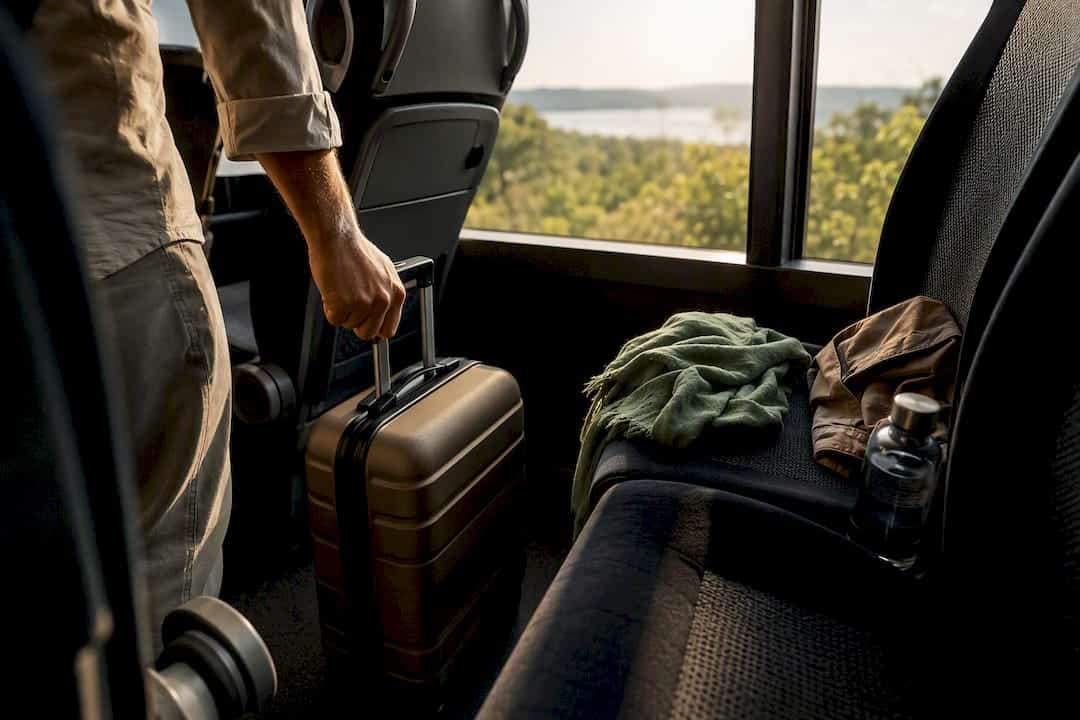
From €18.98 Bus Seats: Zagreb to Rovinj Prices and Why They Differ
Expect bus fares from about €18.98 and private transfers priced from a considerably higher per-vehicle rate. Choose the bus for the lowest cost, and choose a private transfer when your priority is comfort, flexibility, or traveling as a group. The booking section below walks through exactly how to lock in either option with confidence.
TL;DR:
- Private transfers are priced per vehicle, making them more cost-effective for groups of three or more, especially when sharing the fare.
- Travelers with oversized luggage, early or late flight schedules, or family groups benefit most from private or shuttle transfers due to flexibility and space.
- Booking private transfers requires providing flight and luggage details upfront, requesting a fixed quote that includes tolls and waiting fees.
- The decision between bus and private transfer depends on the value of your time and flexibility, with larger groups often saving money on private options despite higher upfront costs.
Table of Contents
- Cijena Zagreb Rovinj Transfer: A Quick Price and Time Snapshot
- How the Options Compare: Who Each One Actually Suits
- What Drives Private Transfer Pricing
- How to Book and Pay: A Step-by-Step Checklist
- Schedules, Journey Times, and Luggage Rules
- What We Offer: Private Transfers Built for This Route
- Insider Tips to Save Money and Guarantee a Smooth Pickup
- Reserve Your Private Transfer: Quick Booking and What to Expect
- The Real Trade-Off Nobody Frames Correctly
- Sources
Cijena Zagreb Rovinj Transfer: A Quick Price and Time Snapshot
The gap between a bus seat and a private car on this route comes down to what you’re actually paying for: a fixed schedule versus a driver waiting at your door.
Statistic Callout: Bus fares between Zagreb and Rovinj start from around €18.98 when booked in advance, with the fastest connections covering the route in about three hours.
Here’s how the main options stack up:
- Bus tickets: Typically from about $17 depending on the operator and how far ahead you book, according to Omio’s route data.
- Bus travel time: Ranges from roughly 3 hours to 5 hours 20 minutes, since Arriva Croatia runs several different service patterns on this corridor.
- Private or taxi transfer: Priced per vehicle rather than per seat, which means the per-person cost drops sharply once you have three or four travelers splitting the fare.
- Shuttle or shared transfer (GoOpti-style): Sits between the two, usually cheaper than a private car but with less pickup flexibility than a door-to-door service.
The private transfer premium buys you something a bus simply cannot offer: a driver who adjusts to your flight, your luggage, and your schedule instead of the other way around.
How the Options Compare: Who Each One Actually Suits
Price is the headline difference, but it isn’t the only one worth weighing. A bus ticket wins on cost every time. A private transfer wins on everything else that matters when you’re tired, traveling with family, or hauling more bags than a bus rack was designed for.
- Solo budget travelers with light luggage get the best value from the bus. At $17 to $25 a seat, there’s little reason to pay more if you’re flexible on timing.
- Couples and small families often find the math tips toward a private transfer once you count two or three bus tickets against one flat vehicle price.
- Groups of four or more almost always come out ahead with a private transfer, since the per-vehicle rate gets divided across more people while the bus cost multiplies with every ticket.
- Travelers with early flights, late arrivals, or connecting through Zagreb Airport benefit most from a shuttle or private pickup, since buses don’t adjust for delayed flights the way a booked driver does.
- Anyone with oversized gear (bikes, golf clubs, extra suitcases) should default to a private transfer or confirm shuttle luggage limits before booking a bus seat.
Pro Tip: Before you accept any quote, ask the operator to itemize what’s included. Waiting time, tolls, and airport parking fees sometimes get added after the fact if they weren’t confirmed up front.
Watch for one common red flag: a suspiciously low quote that excludes tolls on the A1 highway or charges extra for a driver waiting more than 15 minutes past your flight’s scheduled landing.
What Drives Private Transfer Pricing
A private transfer isn’t priced off a single number, it’s built from several moving parts, and understanding them helps you evaluate whether a quote is fair.
- Distance and route: The direct Zagreb to Rovinj drive covers roughly 280 kilometers, but detours (a stop at Plitvice Lakes, for instance) add both time and cost.
- Vehicle class: A standard sedan costs less than a Mercedes-class vehicle or a larger van suited to groups.
- Passenger and luggage count: More people and bags can bump you into a bigger vehicle category.
- One-way versus return: Booking both legs together sometimes earns a better combined rate than two separate one-way bookings.
- Seasonality: Peak summer months bring higher demand and tighter vehicle availability, which pushes prices up.
- Tolls, parking, and waiting time: These are usually itemized separately, and reputable operators disclose them before you pay, as outlined in how private transfer pricing actually breaks down.
- Cancellation policy: Some providers charge differently depending on how close to departure you cancel, which is worth confirming before you commit.
How to Book and Pay: A Step-by-Step Checklist
Booking a private transfer takes a few minutes once you know what information to have ready.
- Gather your details first: flight number, exact pickup and drop off addresses, passenger count, and how many bags you’re bringing.
- Request a fixed quote rather than an estimate, and ask the operator to confirm it covers tolls, waiting time, and any detours in writing.
- Compare payment terms: most operators accept online card payment or bank transfer, while some allow cash paid to the driver on arrival. Ask whether a deposit or full prepayment is required.
- Save your confirmation with the price, vehicle type, and cancellation terms clearly stated, ideally by email or text.
- If your flight is delayed or canceled, contact the operator immediately. Most private transfer services track flight numbers and adjust pickup time automatically, but confirming this policy before departure avoids surprises. For a full walkthrough, see this traveler’s booking guide.
Schedules, Journey Times, and Luggage Rules
Departure times and travel duration vary more than most travelers expect on this route.
Statistic Callout: Arriva Croatia lists multiple daily departures with journey times ranging from about 3 hours to 5 hours 20 minutes, depending on the specific service and stops along the way.
- Bus frequency varies by day, with more departures during summer months than off season.
- A private transfer typically completes the drive faster than the slowest bus options, since it skips intermediate stops, though traffic near the coast in peak season can still add time.
- Standard bus baggage allowance usually covers one carry-on and one checked bag; extra items may cost more and should be confirmed at booking.
- Private transfers generally handle oversized luggage without extra paperwork, but it’s still worth mentioning bulky items when you book.
- Build in at least a 30 to 45 minute buffer before any flight or ferry connection on the Rovinj side, since coastal traffic in July and August is unpredictable.
What We Offer: Private Transfers Built for This Route
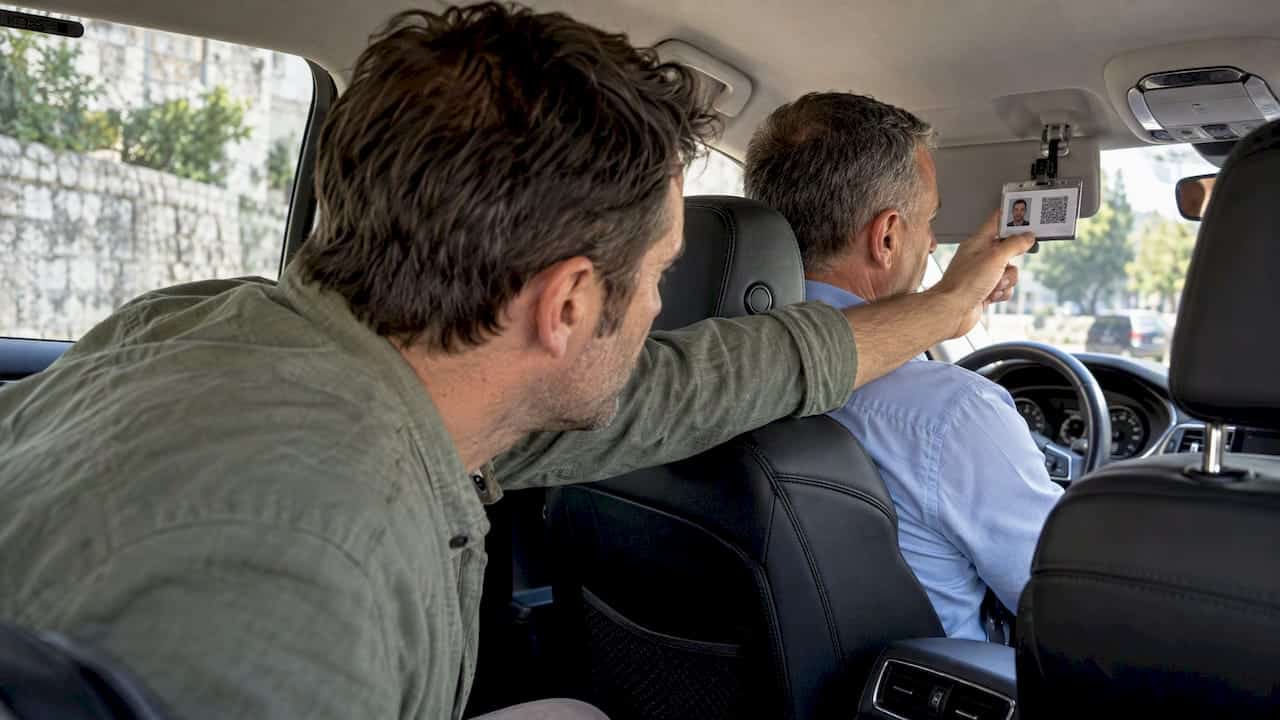
The service runs licensed, English-speaking drivers in modern, air-conditioned vehicles, including Mercedes-class sedans and vans suited to families and small groups. Every private transfer on the Zagreb to Rovinj route is door-to-door, with pricing and inclusions disclosed before you book, following the same transparent approach used across the company’s Croatia-wide pricing pages.
This service suits travelers who value:
- A fixed pickup time that adjusts to flight delays instead of a fixed bus departure.
- Door-to-door service without transfers between stations.
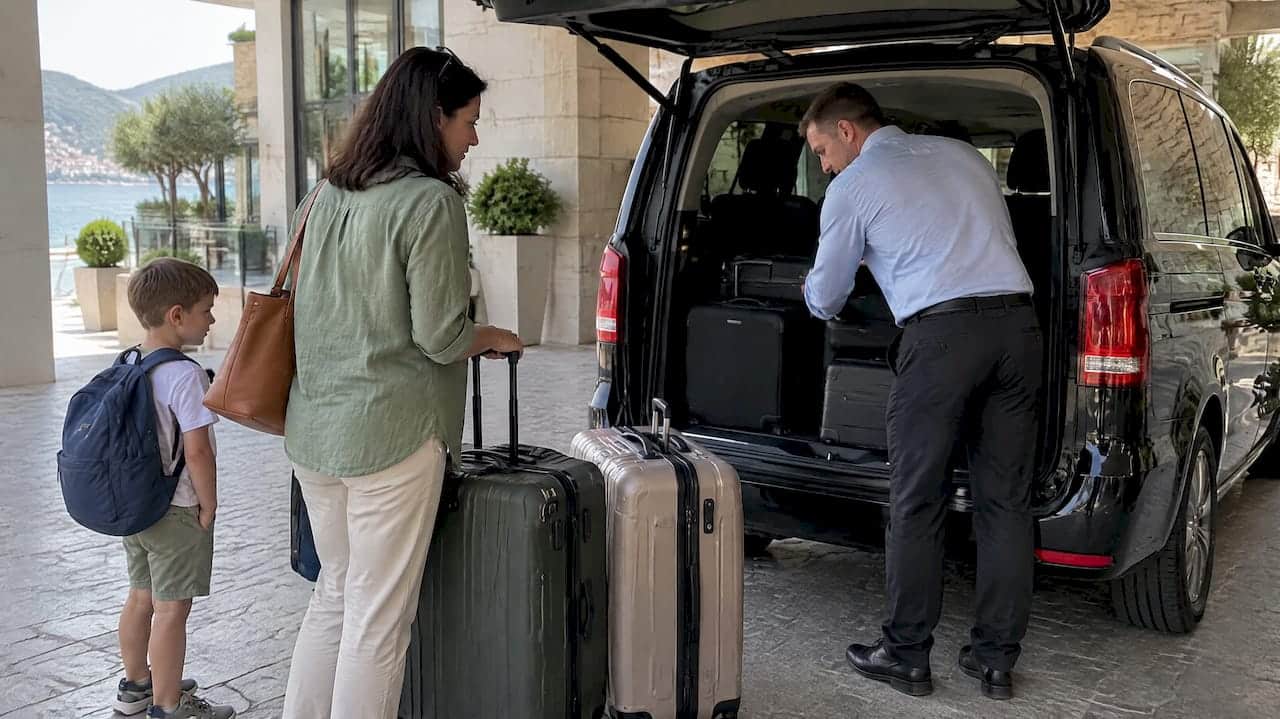
- Room for luggage and group travel without buying multiple tickets.
Solo travelers on a tight budget will usually still prefer the bus. Everyone else tends to find the private option worth the difference.
Insider Tips to Save Money and Guarantee a Smooth Pickup
Booking midweek and avoiding Friday or Sunday departures tends to bring lower bus fares, and it often improves private transfer availability too, since weekend demand runs highest in July and August. Always ask for an itemized quote that spells out whether tolls and waiting time are included. If you’re traveling with others, splitting a private transfer’s per-vehicle rate usually beats buying separate bus tickets. Before departure day, confirm your driver’s contact number and the exact meeting point, especially at Zagreb Airport, where pickup zones can be easy to miss on a first visit.

Reserve Your Private Transfer: Quick Booking and What to Expect
Comparing a bus seat against a private car only tells half the story until you factor in what a door-to-door service actually saves you: no station transfers, no dragging luggage across a platform, no watching the clock for a fixed departure.
The Zagreb to Rovinj route is served with licensed, English-speaking drivers and modern Mercedes-class vehicles, and quotes are confirmed in writing before payment, covering tolls and waiting time to avoid surprises at pickup. Booking takes a few minutes: submit your flight details, passenger count, and pickup address through the private transfers booking page, and you’ll receive a fixed price and cancellation terms before you commit. Travelers curious about vehicle options can review the luxury vehicle guide to see what’s available for groups or extra luggage. If your trip includes a detour, ask about a Zagreb to Rovinj transfer via Plitvice Lakes when requesting your quote.
The Real Trade-Off Nobody Frames Correctly
Most guides treat this as a simple cost comparison: bus cheap, private car expensive, pick your budget. That framing misses the actual decision travelers are making. A bus ticket is priced per seat, so the “cheap” option gets expensive fast once you’re booking for three or four people. A private transfer is priced per vehicle, so the “expensive” option often gets cheaper per person as your group grows.

The other overlooked factor is time value, not just travel time. A bus that departs at a fixed hour doesn’t care if your flight lands late. A private transfer, priced higher, absorbs that risk for you. For a solo backpacker, that risk barely matters. For a family flying in from overseas after a long-haul flight, it can matter more than the price difference itself.
The smartest travelers on this route don’t ask “which is cheaper.” They ask “what is my time and flexibility actually worth today,” then match the answer to the mode that fits.
— Croatia
Sources
- Autobus Zagreb – Rovinj – FlixBus
- Zagreb Rovinj Bus, Timetable and Tickets | Arriva Croatia
- ZAGREB to ROVINJ bus from $18 (€14) with Nomago – Omio
- Bus Zagreb to Rovinj: Compare prices and save money | CheckMyBus
- Getting around Croatia — Frank About Croatia