
Hvar Wine Tours: Visit 17 Wineries Without Driving by Private Transfer
Yes, Hvar is an island of wine, and the simplest way to experience it is by booking winery tastings or a private day tour that links boutique producers. Expect cellar tastings and vineyard walks built around indigenous varieties like Plavac Mali, Bogdanuša, and Pošip, with reservations best made a few days ahead, sooner during July and August or around the Hvar Wine Festival. A private transfer closes the gap between coastal towns and inland cellars that public buses rarely reach.
TL;DR:
- Most wineries require 24 to 72 hours’ notice for bookings, with peak summer months often demanding even earlier reservations for tastings and events.
- Guided cellar tastings focus on indigenous varieties like Plavac Mali, Bogdanuša, and Pošip and are best suited for midday when indoor coolness offers relief from the heat.
- Vineyard walks are ideal for mornings or late afternoons when temperatures are milder and provide a hands-on understanding of how land influences wine flavor.
- Private transfers streamline visits to inland cellars, offering flexible scheduling, door-to-door service, and the ability to include small family wineries for a more authentic experience.
- Guided itineraries should include a mix of larger estates for convenience and small family wineries for memorable conversations, with proper timing to avoid heat and travel fatigue.
Table of Contents
- What to expect on Hvar wine tours and tasting formats
- Key wineries and signature experiences to consider on Hvar
- How to plan a Hvar wine-tasting day: logistics, timing, and sample itineraries
- Booking, reservations, costs, and peak-season tips
- Events, festivals, and seasonal highlights, including the Hvar Wine Festival
- Why a private transfer improves the Hvar wine-tour experience
- Local perspective and insider advice from Hvar winemakers
- How Croatia Private Transfers & Tours arranges Hvar wine tours
- Official resources and winery pages for current times and bookings
- Sources
- FAQ
What to expect on Hvar wine tours and tasting formats
Hvar’s winemakers have been coaxing fruit from these slopes for roughly 2,400 years, and that history shapes how tastings are run today. The Hvar Tourist Board describes an island where ancient viticulture meets a modern appetite for storytelling, and visitors can choose from a handful of distinct formats depending on mood, time, and mobility.
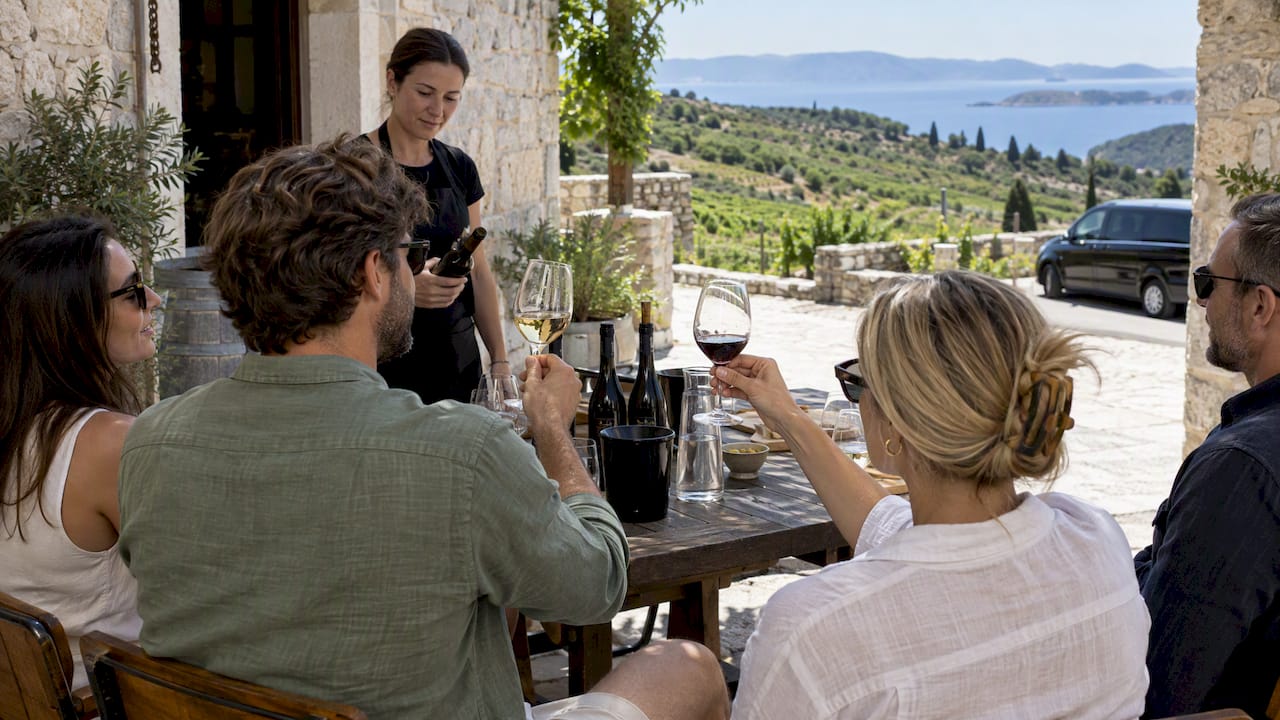
Cellar tastings happen indoors, often in centuries-old stone rooms kept naturally cool through the summer heat. These sessions suit travelers who want context: a guide walks you through the varieties, the winemaking choices, and the family history behind the label, all while you stay seated and comfortable. They work well at midday, when the coastal sun gets harsh and a dim, stone-walled room feels like relief rather than compromise.
Vineyard or terroir tastings move the experience outdoors. You walk between rows, feel the slope of the land underfoot, and see firsthand why a south-facing hillside in Sveta Nedjelja produces a different Plavac Mali than a plot near Stari Grad. These tastings demand slightly more stamina and suit mornings or late afternoons when temperatures are gentler.

Sunset and pairing experiences sit at the top of the format list. These are longer, more structured events, often matching several wines to small plates of local cheese, prosciutto, or olives, and they almost always require advance reservation because seating is limited.

The Hvar Winemakers Association connects 17 member wineries across the island, a network that promotes indigenous varieties and gives travelers a reliable starting point when choosing where to taste.
A few quick distinctions worth keeping in mind when you book:
- Cellar tastings suit heat, history, and shorter time windows.
- Vineyard walks reward travelers who want to see the land, not just taste its output.
- Sunset and pairing menus need the most lead time and usually cost more per person.
Key wineries and signature experiences to consider on Hvar
Hvar’s wine scene ranges from historic cellars to small family plots, and each producer brings something different to the glass.
- Vina Tomić runs tastings in a cellar modeled on Diocletian-style architecture, with a seasonal guided program (previously running from late April through October) built around a slow-wine philosophy. The focus here lands on Bogdanuša and Plavac Mali, and the setting itself, all cool stone and quiet, is part of the appeal.
- Lacman Family Winery (LFW) leans into natural winemaking and sunset terrace tastings, with published pricing including a sunset tasting from approximately seventy-nine euros per person and a more casual self-service decanter option from €5. LFW also organizes transfers from Hvar Town and Stari Grad, a useful detail for travelers without a rental car.
- Hvar Hills and Zlatan Otok operate on a larger scale, with award recognition and vineyard settings that favor sweeping views over intimate conversation. These estates tend to handle higher visitor volume, which makes them a reasonable choice for travelers who prefer a more structured, less improvisational visit.
- Bell’Iakov, Carić, Ventus, and a handful of smaller family cellars round out the island’s boutique tier. These producers often work from modest plots with a strong personal narrative behind each bottle, and many offer vineyard tastings or small pairing menus rather than a fixed tasting menu.
Booking norms vary by producer. Larger estates sometimes accept walk-ins during peak season, particularly for a quick tasting at the cellar door, while smaller family wineries almost always require advance confirmation since they pour for small groups only and staff the tasting room themselves. Calling or emailing ahead, rather than showing up and hoping, saves a wasted trip, especially for producers tucked into the Stari Grad Plain or the southern slopes around Sveta Nedjelja.
The honest answer for most travelers is that the island rewards a mix: one larger, well-organized estate for ease, paired with one small family cellar for the kind of conversation you remember after the trip ends.
How to plan a Hvar wine-tasting day: logistics, timing, and sample itineraries
Timing a wine day on Hvar comes down to distance and heat management more than anything else. The island’s best cellars sit inland, away from the coastal road, which means every stop adds driving time that a loose itinerary can quickly burn through.
A half-day plan works well for travelers short on time or combining wine with a beach afternoon.
- Start mid-morning with a cellar tasting close to Hvar Town or Stari Grad, when the stone rooms are still cool and staff have time to talk.
- Follow with a second, shorter tasting nearby, keeping the drive under 20 minutes so the morning doesn’t stretch into midday heat.
- Finish before lunch, leaving the afternoon free for the coast or a nap before dinner.
A full day suits travelers who want the fuller picture of Hvar’s wine geography.
- Begin with a cellar tasting in the morning, before the heat sets in.
- Drive inland toward Sveta Nedjelja or Jelsa for a vineyard lunch paired with local wine, timing arrival for early afternoon.
- Add a third stop at a smaller family cellar in the late afternoon, when the light softens and the pace naturally slows.
- Close with a fourth, optional stop or a scenic detour back toward Hvar Town, built around whatever energy remains.
Travelers with more time sometimes extend the trip into a multi-day loop, pairing Hvar’s wine roads with a boat trip to the Pakleni islands or a transfer onward to Pelješac and Orebić, where the wine story continues on the mainland side of the channel. For details on sequencing a longer trip, our guide to planning wine tasting tours breaks down timing across a full day or weekend.
A private transfer removes most of the friction from any of these plans. Door-to-door pickups mean no hunting for parking near a narrow village lane, and a flexible schedule means a tasting that runs long doesn’t throw off the rest of the day.
Booking, reservations, costs, and peak-season tips
Most Hvar wineries ask for 24 to 72 hours’ notice, though weekends and festival dates compress that window considerably. During peak July and August travel, a same-day request for a Saturday tasting often comes back fully booked.
Pricing varies by format and producer. Casual, self-service decanter tastings can run as low as €5 per pour, while standard guided tastings with commentary generally land between €15 and €40 per person. Paired menus, private tastings, or sunset events sit higher, often €60 to €150 or more depending on the number of courses and wines poured.
A few practical notes worth knowing before you book:
- Most wineries accept both card and cash, though smaller family cellars sometimes prefer cash only.
- Confirm cancellation policies before paying a deposit, since small producers rarely offer refunds on short notice.
- Group minimums apply at some cellars for pairing menus, so solo travelers should ask before assuming a seat is guaranteed.
Pro Tip: When booking a private transfer for a wine day, send the winery names, any dietary restrictions, and your preferred pickup times in advance so the driver can plan the route and confirm tasting slots on your behalf.
Events, festivals, and seasonal highlights, including the Hvar Wine Festival
The island’s wine calendar peaks each spring with the Hvar Wine Festival, held at the Arsenal in Hvar Town. The event gathers island winemakers for an annual showcase, with a 7th edition held on April 11, 2026, giving visitors a single evening to sample pours from across the island without driving between cellars.
Outside festival season, spring and autumn offer their own rewards. Vineyards show visible activity, from budding vines in April to harvest work in September, and crowds thin out considerably compared to peak summer.
- The Hvar Wine Festival at the Arsenal remains the island’s single biggest annual wine date.
- Spring and autumn visits trade festival energy for quieter cellars and more attentive hosts.
- The vineyard collection in Pitve, reopened with themed tastings in 2023, offers an educational stop for travelers curious about the island’s viticultural history.
Why a private transfer improves the Hvar wine-tour experience
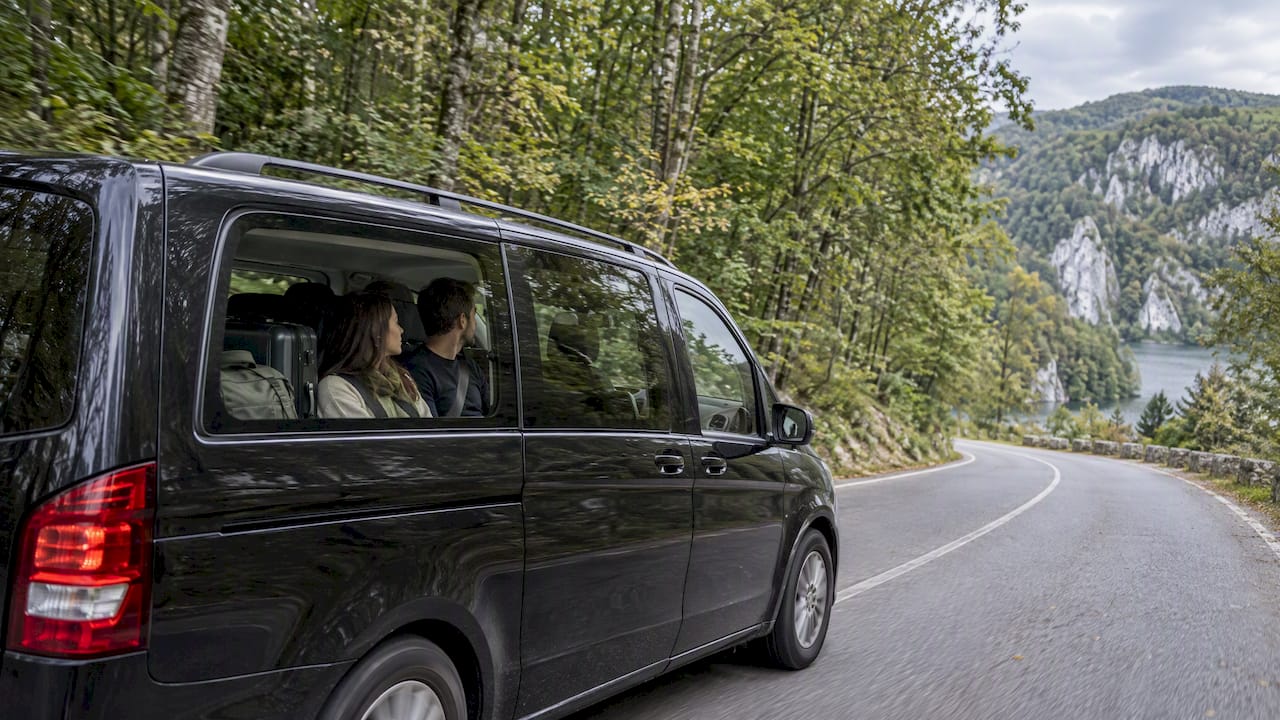
Many of Hvar’s most rewarding wineries sit well inland, down narrow roads that public buses simply don’t serve. A private transfer solves that gap directly, offering reliable door-to-door pickup so the day’s pace depends on the tasting, not the bus schedule.
Private transfers on Hvar typically run with licensed, English-speaking drivers in modern, air-conditioned vehicles, a detail that matters on summer afternoons when a hot, crowded shuttle can undercut the best tasting itinerary. Customizable day tours mean the stop list bends to your interests rather than a fixed route.
Booking one for a wine day is straightforward:
- Choose a pickup point, usually a hotel or accommodation in Hvar Town, Stari Grad, or Jelsa.
- Decide how many winery stops fit comfortably into the available hours.
- Confirm tasting times directly with each winery before the driver finalizes the route.
- Request driver wait times at each stop so tastings never feel rushed.
Pro Tip: Build in a buffer of at least 30 minutes between winery stops, since even a short tasting can run long once the winemaker starts telling the story behind a particular vintage.
Local perspective and insider advice from Hvar winemakers
Hvar’s better producers talk about wine the way a historian talks about a city: as something layered, not rushed. That slow-wine instinct, common among local winemakers, treats a tasting as an hour spent inside a place and its history, not a quick transaction at a counter.
The practical lesson for visitors is to prioritize the family cellars tucked into the Stari Grad Plain and the inland villages over the larger, easier-to-reach estates on the coast. These smaller producers require more planning, a private vehicle, and a reservation made days in advance, but they reward that effort with a conversation you won’t get at a high-volume tasting room. Pair the visit with a plate of local cheese or prosciutto, keep the schedule loose, and let the winemaker set the pace rather than the clock.
— Croatia
How Croatia Private Transfers & Tours arranges Hvar wine tours
Reaching Hvar’s inland cellars without a rental car is the main obstacle most travelers face, and that’s exactly the gap a private day tour closes. Croatia Private Transfers & Tours builds custom day tours on Hvar around whichever wineries you want to visit, with licensed, English-speaking drivers and modern, air-conditioned vehicles handling the routing so you can focus on the tasting.
Before reaching out, it helps to have a few details ready:
- Your preferred pickup location, whether that’s Hvar Town, Stari Grad, or elsewhere on the island.
- A shortlist of wineries you’d like to visit, or an openness to local suggestions.
- The number of passengers and any mobility needs that might affect the itinerary.
Check availability or request a bespoke Hvar day tour quote to start planning a wine day built around your own pace.
Official resources and winery pages for current times and bookings
For up-to-date details, check Visit Hvar’s winery pages for a fuller directory and festival dates, and the Hvar Winemakers Association for current member listings. Individual producer sites, including Vina Tomić and Lacman Family Winery, publish their own seasonal tasting programs and should be checked directly before finalizing any reservation. Travelers coordinating multimodal trips can also look at private transfer guidance for general context on door-to-door reliability.
Sources
- The Hvar Wine Association (Villas Hvar blog)
- Vina Tomić official site
- Lacman Family Winery — wine tasting experiences
FAQ
What not to miss in Hvar?
Beyond wine tastings, Hvar Town’s harbor, the Stari Grad Plain, and the hilltop fortress above Hvar Town rank among the island’s most memorable stops. A day combining a vineyard tasting with a walk through Stari Grad’s old streets captures both sides of the island well.
Is Croatia good for wine?
Croatia has a long winemaking tradition, and Hvar in particular draws on roughly 2,400 years of viticulture, with indigenous grapes like Plavac Mali, Bogdanuša, and Pošip that are difficult to find outside the region. The island’s boutique cellars and vineyard tastings make it a genuinely rewarding wine destination for curious travelers.
Is Hvar nicer than Split?
The comparison depends on what you want: Split offers a bigger city with Roman ruins and more infrastructure, while Hvar delivers a quieter, wine-focused island atmosphere with beaches and historic cellars. Many travelers visit both, using Split as a base and adding Hvar for a focused day or two of wine and coastline.
What can I do in Hvar in just one day?
A single day works well for a half-day wine itinerary paired with a few hours exploring Hvar Town’s harbor and fortress. Pairing one cellar tasting with a vineyard visit nearby, timed around a private transfer, lets you cover both wine and sightseeing without rushing.