

Private Pelješac Wine Tours With a Licensed Driver
Vinske ture Pelješac center on one grape, two protected hillsides, and a coastline that has been quietly producing world-class red wine for centuries. A typical tour blends tastings, cellar visits, and a lunch built around Ston oysters and Dalmatian cooking. The most comfortable way to experience it is a private, customizable transfer or day tour with a licensed local driver who knows which roads narrow to one lane and which cellars need a reservation.
TL;DR:
- Most wineries in Pelješac require at least a day’s prior reservation due to limited tasting slots, especially during peak summer months.
- Tasting fees usually range around the same as other Croatian coastal wineries and may be waived with a bottle purchase or lunch.
- The primary grape, Plavac Mali, thrives on steep, limestone slopes that produce concentrated flavors and higher alcohol wines, often above 14%.
- Booking a private, tailored tour with an experienced driver ensures flexible schedules and avoids rushed visits, particularly at smaller family cellars.
- The best time to visit for the harvest experience is September, when grape picking is in full swing, and tourist crowds are thinner.
Table of Contents
- What to expect on a Pelješac wine tour
- Meet the wineries: from family cellars to modern estates
- How to plan your Pelješac wine tour by time available
- Getting to Pelješac: roads, timing, and access
- How to choose the right Pelješac wine tour operator
- Why Pelješac became Croatia’s wine peninsula
- How Pelješac wines are actually made
- Organic and sustainable winemaking on the peninsula
- Wine festivals and events worth planning around
- Best time of year for a Pelješac wine tour
- Why we recommend a private, tailored approach to Pelješac
- Book a private Pelješac wine tour
- Where to verify Pelješac wine facts
- Sources
What to expect on a Pelješac wine tour
Almost every glass poured on this peninsula traces back to one grape. Plavac Mali covers the vast majority of Pelješac’s vineyards, and two hillside positions, Dingač and Postup, produce the versions collectors actually seek out. Both sit on the peninsula’s southern face, where the slopes catch direct sun for most of the day, reflected light bounces up off the Adriatic, and thin limestone soil forces the vines to struggle. That combination, sometimes called triple exposure, concentrates sugar and flavor in the grapes far more than flatter vineyards manage elsewhere in Dalmatia.
A tour day usually mixes a few formats rather than sticking to one. You might start with a flight in a tasting room, move to a vineyard viewpoint for a second round with a view of the Pelješac channel, then head into a cellar to see barrels and fermentation tanks before sitting down for lunch. Many itineraries end in Ston, where local oyster beds pair naturally with a crisp Pelješac white.
Common elements you’ll encounter:
- A guided flight of three to six wines, often starting with a rosé or white before the reds
- A short walk through the vineyard or cellar with explanation of the harvest and aging process
- A paired lunch featuring local cheese, prosciutto, and often Ston oysters
- Time built in for questions about the winery’s history and production methods
July and August bring the heaviest tourist traffic, and cellars that comfortably host ten guests in May can feel rushed in peak summer. Booking ahead during those months is recommended to secure your preferred slot.
Meet the wineries: from family cellars to modern estates
Pelješac counts roughly 250 registered wine producers, ranging from single-family operations with a few hectares to larger estates built for steady visitor traffic. Several names keep showing up on recommendations from regional guides, and each offers a genuinely different visit.
- Matuško carries generations of family winemaking history and pours some of the most classic expressions of Dingač you’ll find anywhere. The tasting room has an unpolished, working-cellar feel that suits visitors who want tradition over theater.
- Korta Katarina runs a more contemporary operation, with structured tastings and food pairings designed for visitors who want a bit more polish alongside the wine.
- Križ takes a smaller, more hands-on approach, closer to biodynamic farming, and visits here often feel like a conversation with the winemaker rather than a scripted tour.
- Skaramuča, Indijan, and Marlais round out the mid-sized producers worth knowing, each with its own take on Plavac Mali and its own pace of visitor traffic.
- The Postup cooperative reflects a different model entirely: multiple growers pooling fruit from the Postup slopes, which gives visitors a chance to taste a shared appellation style rather than one estate’s single vision.
Pro Tip: Smaller family cellars like Matuško or Križ often run on a single winemaker’s schedule, so a same-day walk-in can mean a rushed tasting or a closed door. Reserve at least a day ahead, and expect tasting fees in the range of most Croatian coastal wineries, sometimes waived if you order a bottle or lunch.
How to plan your Pelješac wine tour by time available
The right pace depends entirely on how much of the day you want to give to wine versus everything else Pelješac offers.
- Half-day (roughly four hours): Visit one or two wineries, keep tastings to 45 minutes each, and add a quick Ston oyster stop if your route passes through town. This works well as an add-on to a Dubrovnik day trip.
- Full-day (six to eight hours): Most organized programs settle on multiple winery stops with one longer lunch break, giving you time at a viewpoint tasting, a cellar tour, and a sit-down meal without feeling rushed.
- Multi-day (two to three nights): Base yourself on the peninsula or combine it with Korčula, spacing out two or three wineries per day and leaving afternoons free for Ston’s walls or a swim. The Korčula and Pelješac day tour from Dubrovnik is a practical template if you want both islands covered without driving yourself.
Allow 45 minutes for a tasting-only stop and closer to two hours for any winery that includes a full lunch.
Getting to Pelješac: roads, timing, and access
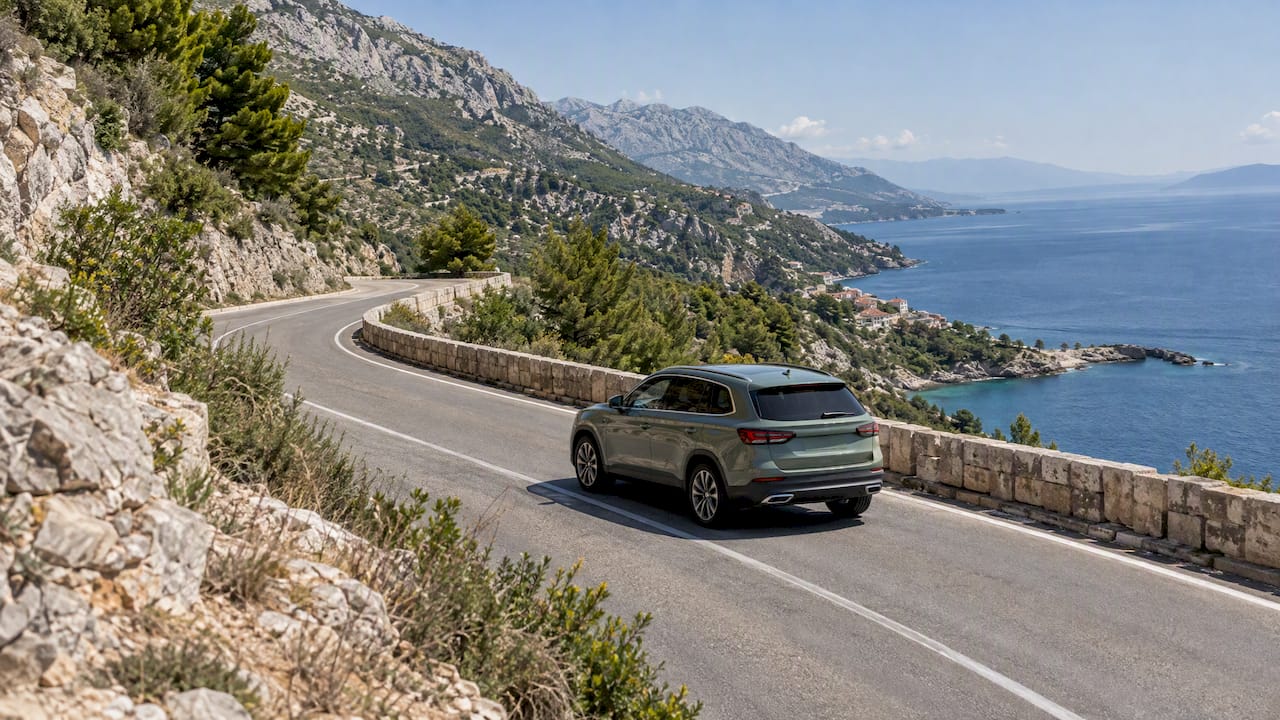
Most visitors reach Pelješac from Dubrovnik, roughly an hour and a half by road to the wine villages around Dingač and Postup, or from Split, which sits closer to the peninsula’s northern entrance. The coastal route narrows considerably near Ston and again on the descent toward the Dingač vineyards, where two cars passing each other require some patience.
- Parking near the top wineries is limited, especially in summer, and a driver who already knows the turn-offs saves real time.
- Dingač’s vineyards sit on genuinely steep terrain, harvested largely by hand, and some viewpoint access involves walking a rough path rather than driving straight up.
- A private transfer removes the guesswork on navigation and lets everyone in your group taste freely without worrying about the drive back.
Routes like the Dubrovnik to Split transfer via Ston already pass directly through Pelješac’s wine country, making a winery stop a natural addition rather than a detour.
How to choose the right Pelješac wine tour operator
Look for operators who name specific wineries and driver credentials rather than vague “wine country” language. Confirm group size, whether tasting fees and lunch are included, and whether the pace allows real time at each stop rather than a rushed 20-minute pour.
- Ask directly: which language does the driver speak, is the vehicle insured for the route, and what happens if you need to cancel?
- Request a sample itinerary with named wineries, not just “local cellar visits.”
- Treat vague pricing or a refusal to name the driver’s license status as a red flag.
- Favor operators connected to the official Pelješac wine road network, which lists more than 100 participating wineries, tasting rooms, and restaurants and signals real local integration.
Pro Tip: A transparent operator will tell you the driver’s name and vehicle type before you pay a deposit. If a company can’t answer that simple question, keep looking.
Why Pelješac became Croatia’s wine peninsula
Winemaking here didn’t arrive with tourism. Grapevines have grown on these slopes since antiquity, and the peninsula’s isolation from mainland trade routes for much of its history meant local varieties like Plavac Mali developed with little outside influence. The Republic of Ragusa, which once controlled this coastline from Dubrovnik, relied on Pelješac’s salt pans at Ston and its wine production as steady sources of income, and the stone walls still standing between Mali Ston and Ston were built partly to protect that economic base.
Families passed vineyard plots down through generations, often splitting already small parcels further with each inheritance, which is part of why so many Pelješac wineries today remain modest in size rather than consolidated into large commercial operations. Winemaking became tied to identity here in a way that outlasted empires: Venetian rule, Austro-Hungarian administration, and Yugoslav collectivization all left their mark, yet family cellars persisted, often working the same slopes their grandparents worked.
That continuity shows up in how visits feel today. A tasting at a family estate like Matuško isn’t a rehearsed performance; it’s closer to being invited into a working farm that happens to produce exceptional wine. Local festivals, harvest traditions, and even village layouts on Pelješac still orbit around the vineyard calendar, which is part of what makes a wine tour here feel like cultural immersion rather than a simple tasting menu.
How Pelješac wines are actually made
Plavac Mali is a thick-skinned, late-ripening red grape that thrives on stress. The steep, rocky slopes of Dingač and Postup that make farming physically demanding are the same conditions that push the vines to produce small, concentrated berries rather than high yields. On the steepest terraces, mechanical harvesting simply is not possible, so pickers work by hand, often carrying grapes down on their backs or by cable systems built decades ago for exactly this purpose.
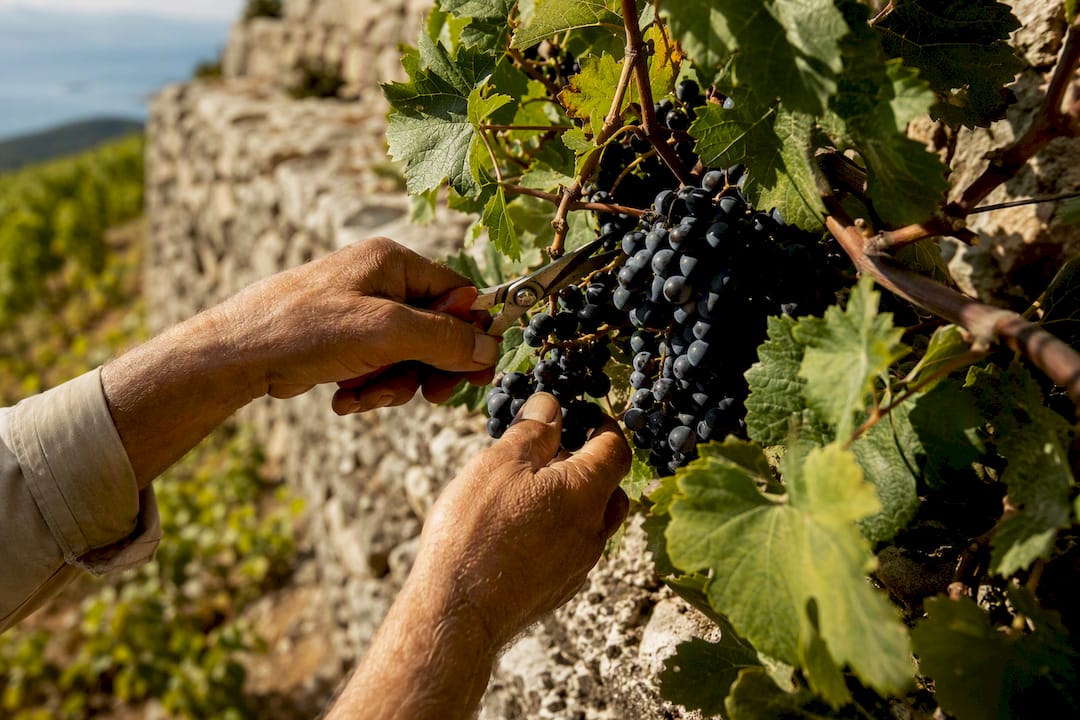
After harvest, most Pelješac producers ferment red wine in stainless steel or large oak vats, extracting color and tannin from Plavac Mali’s thick skins over one to two weeks. Because the grape naturally develops high sugar levels from all that sun exposure, resulting wines tend toward higher alcohol content, often north of 14%, with a fuller body than most Mediterranean reds. Aging typically happens in oak barrels ranging from a few months to two years depending on the producer’s style, with larger estates like Korta Katarina often using a mix of barrel sizes to balance fruit character against oak influence.
Smaller family cellars frequently stick to more traditional methods, relying on older barrels and less intervention, while modern estates invest in temperature-controlled fermentation and more precise blending. Both approaches are represented across the roughly 250 producers on the peninsula, which is part of why tasting at three different wineries in one day can feel like sampling three distinct interpretations of the same grape.
Organic and sustainable winemaking on the peninsula
Pelješac’s terrain does some of the sustainability work on its own. The dry, rocky slopes and strong sea breeze naturally limit the fungal pressure that drives heavy pesticide use in more humid wine regions, which means many small producers here farm with minimal chemical intervention even without formal organic certification.
A growing number of estates have leaned into that natural advantage deliberately. Križ, for instance, follows biodynamic-leaning practices that prioritize soil health and minimal intervention over industrial efficiency, a choice more practical on Pelješac’s small terraced plots than it might be on a flat, mechanized vineyard elsewhere. Hand harvesting on the steep Dingač slopes, done out of necessity rather than principle, also happens to align with lower-impact farming since there is no heavy machinery compacting the soil or burning fuel on the terraces.
Water scarcity shapes practices too. Limestone soil drains quickly, so many growers rely on deep-rooted, drought-tolerant vines rather than irrigation systems, a naturally lower-input approach that suits a peninsula with limited fresh water. If sustainability matters to you when choosing a winery, ask directly about certification status and farming methods. Not every estate markets it, but plenty of small Pelješac producers are farming close to organic standards simply because it’s the practical way to work this land.
Wine festivals and events worth planning around
Harvest season brings the peninsula’s most authentic celebrations. Village festivals tied to the grape harvest, typically in September, often include open cellar days where smaller producers who don’t normally host tastings open their doors for a weekend. These events tend to be less polished than a scheduled winery visit but offer a more genuine look at how the harvest actually unfolds.
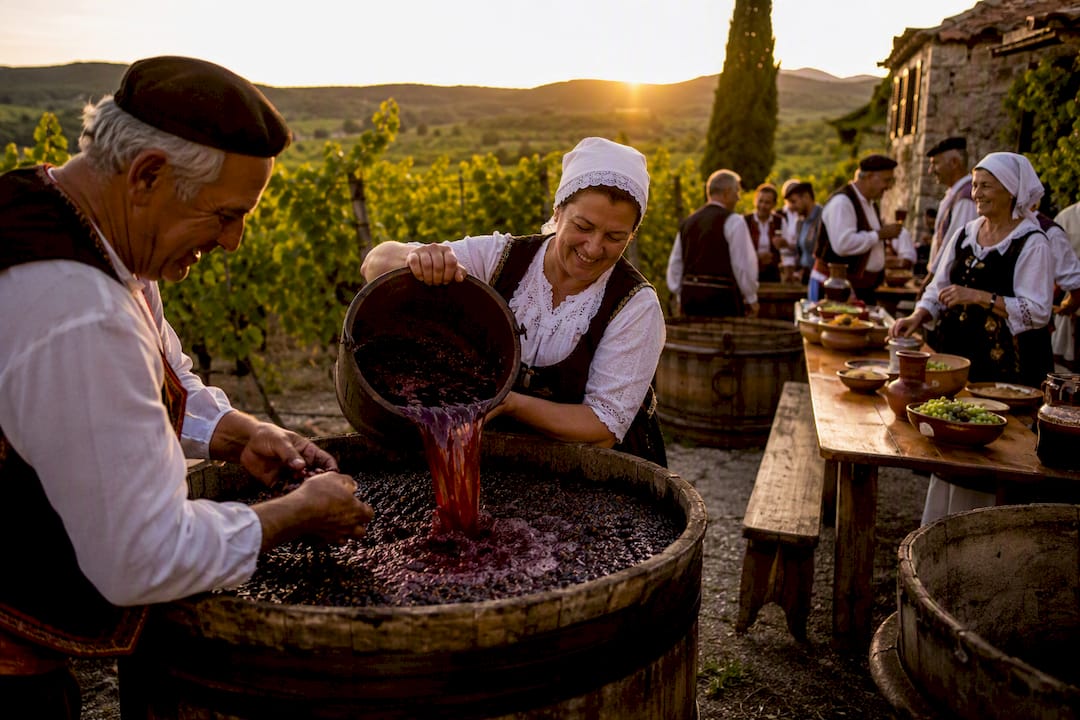
Ston’s oyster season overlaps with wine tourism heavily, and events centered on both oysters and wine pairings appear through the warmer months, giving visitors a chance to sample the pairing that defines the region’s food culture. Individual wineries also host their own open days or new-release celebrations, particularly larger estates like Korta Katarina, which tend to announce these through local tourism channels rather than international event calendars.
Because festival dates shift year to year and aren’t always published far in advance, checking with a local tour operator or the regional tourism board closer to your travel dates gives you a better shot at catching something happening during your visit, rather than planning your whole trip around an event that might move.
Best time of year for a Pelješac wine tour
September stands out as the sweet spot for most visitors. Harvest typically runs through September into early October, so you can watch pickers working the Dingač terraces and sometimes see grapes being pressed the same day, all while the summer crowds have thinned and temperatures have eased from August’s peak.
Late spring, from May through June, offers a different appeal: full bloom in the vineyards, comfortable weather for the drive along the coast, and wineries that aren’t yet at full summer capacity, which means longer, less rushed tastings. July and August deliver the warmest, most reliable weather but also the tightest reservation windows, especially at smaller family cellars with limited seating.
Winter tours are possible but limited. Many smaller wineries reduce hours or close entirely between November and March, so if your trip falls in that window, confirm which producers are actually open before building an itinerary around them.
Why we recommend a private, tailored approach to Pelješac
Group bus tours move at someone else’s pace and rarely adjust for a guest who wants to linger at Matuško or skip a stop that doesn’t interest them. We build itineraries around what you actually want to drink and eat, working with licensed, English-speaking drivers in air-conditioned Mercedes vehicles who already know which cellars need advance notice. Dietary needs, mobility concerns on Dingač’s steep paths, and a preferred pace are all things we plan for before you arrive, not adjustments made on the fly.
— Croatia
Book a private Pelješac wine tour
A shared bus with twenty other tourists means someone always waits, whether it’s the couple who wanted a longer lunch or the family ready to head back early. Croatia-private-transfers builds each Pelješac route around your group alone: door-to-door pickup, a licensed English-speaking driver who already knows which wineries need advance notice, and a pace set by you rather than a printed schedule.

Our private transfers across Croatia cover routes through Pelješac’s wine country in premium, air-conditioned vehicles, and we’ll work with you to decide which cellars, how many stops, and how long a lunch break actually fits your day. If you’d rather pair the wine country with Korčula or extend into a full coastal itinerary, our custom day tours start from the same conversation. Reach out with your travel dates and preferred wineries, and we’ll put together a route that gets you from Dubrovnik or Split to Dingač’s cellars without a single wrong turn on those narrow coastal roads. If a family-friendly stop matters too, Villsy’s guide to family activities in Dalmatia is worth a look while you plan.
Where to verify Pelješac wine facts
For up-to-date participant lists and events, the Pelješac – Vinsko carstvo wine road pages maintained through Dubrovnik-Neretva County tourism channels remain the most reliable source, alongside the official wine road brochure and Visit Pelješac’s winery directory for current producer listings and contact details.
Sources
- Pelješac wines / Pelješac – Vinsko carstvo
- Vinarije na Pelješcu
- Pelješac: poluotok vrhunskih vinarija, a mi izdvajamo favorite
- Pelješac Peninsula (winewithseth)