

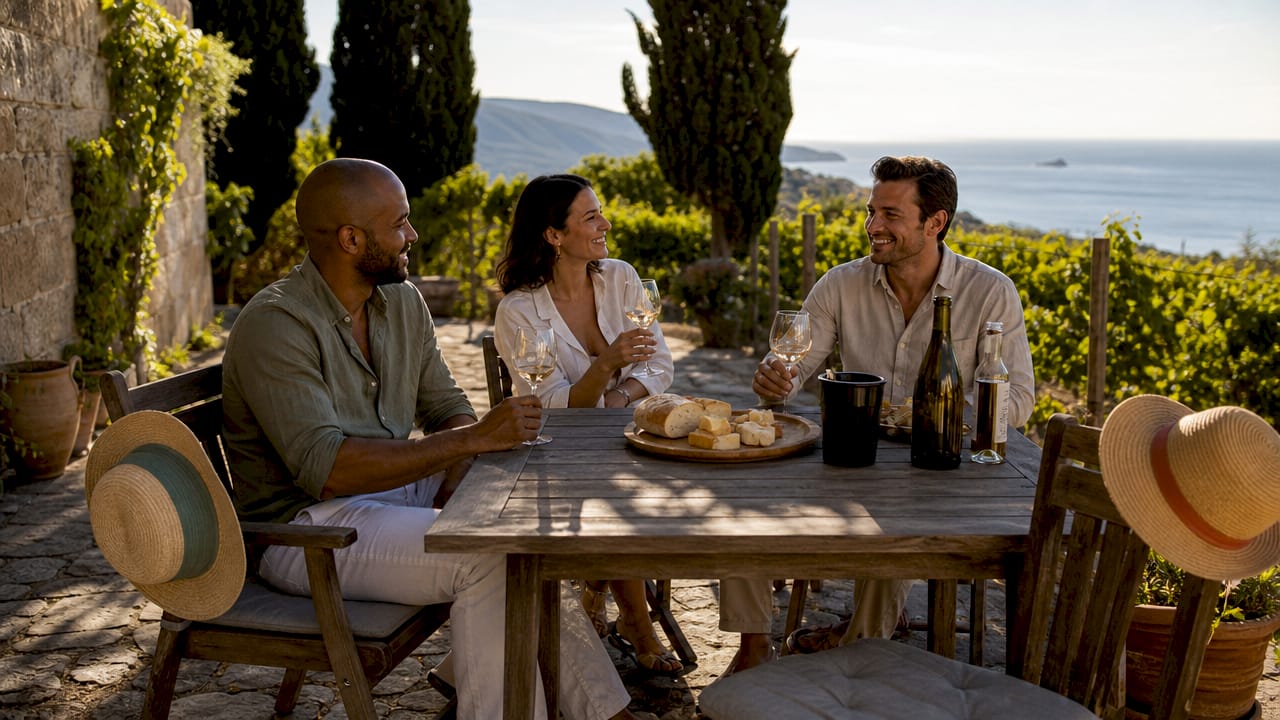
Best Wine Tasting Locations in Croatia: 2026 Guide
TL;DR:
- Croatia offers a diverse wine culture with over 130 indigenous grape varieties across more than 300 regions. The country’s top destinations include Istria, Dalmatia, and continental regions, each providing unique tasting experiences blending family traditions and regional cuisine. Private transfers and early reservations enhance visits, ensuring immersive wine and olive oil tastings complemented by cultural storytelling.
Croatia’s wine tasting locations are defined by over 130 indigenous grape varietals and more than 300 defined wine regions, making this country one of Europe’s most distinctive wine destinations. Regions like Istria, Dalmatia, the Pelješac Peninsula, Korčula, and Hvar each offer a completely different character. Tastings here go far beyond the glass. They weave together family traditions, ancient terroir, and regional cuisine into experiences that stay with you long after you leave. Whether you are a dedicated wine enthusiast or a curious traveler, Croatia’s vineyard culture rewards every level of interest.
1. What are the best wine tasting locations in Croatia?
Croatia’s top wine destinations span the entire country, from the truffle-rich hills of Istria to the sun-baked limestone slopes of Dalmatia. Each region produces wines that reflect its soil, climate, and centuries of winemaking tradition. The sheer variety means no two tasting experiences feel alike.
The standout regions for vineyard visits in Croatia are:
- Istria (northwestern peninsula): Known for Malvazija Istarska white wine and Teran red, with boutique estates offering eno-gastronomic tours
- Pelješac Peninsula (southern Dalmatia): Home to Plavac Mali, Croatia’s most celebrated red grape
- Korčula Island: Famous for Pošip and Grk white wines, grown on sun-drenched limestone terraces
- Hvar Island: Produces Plavac Mali from steep coastal vineyards with dramatic Adriatic views
- Slavonia and Danube (continental east): Known for Graševina white wine, Croatia’s most planted variety
- Zagorje and Međimurje (northern Croatia): Emerging regions with boutique producers and cooler-climate whites
Each of these destinations suits a different travel style. Coastal regions pair wine with seafood and island scenery. Continental regions offer quieter, more intimate tastings with a strong cultural narrative.
2. Top wine tasting experiences in Istria
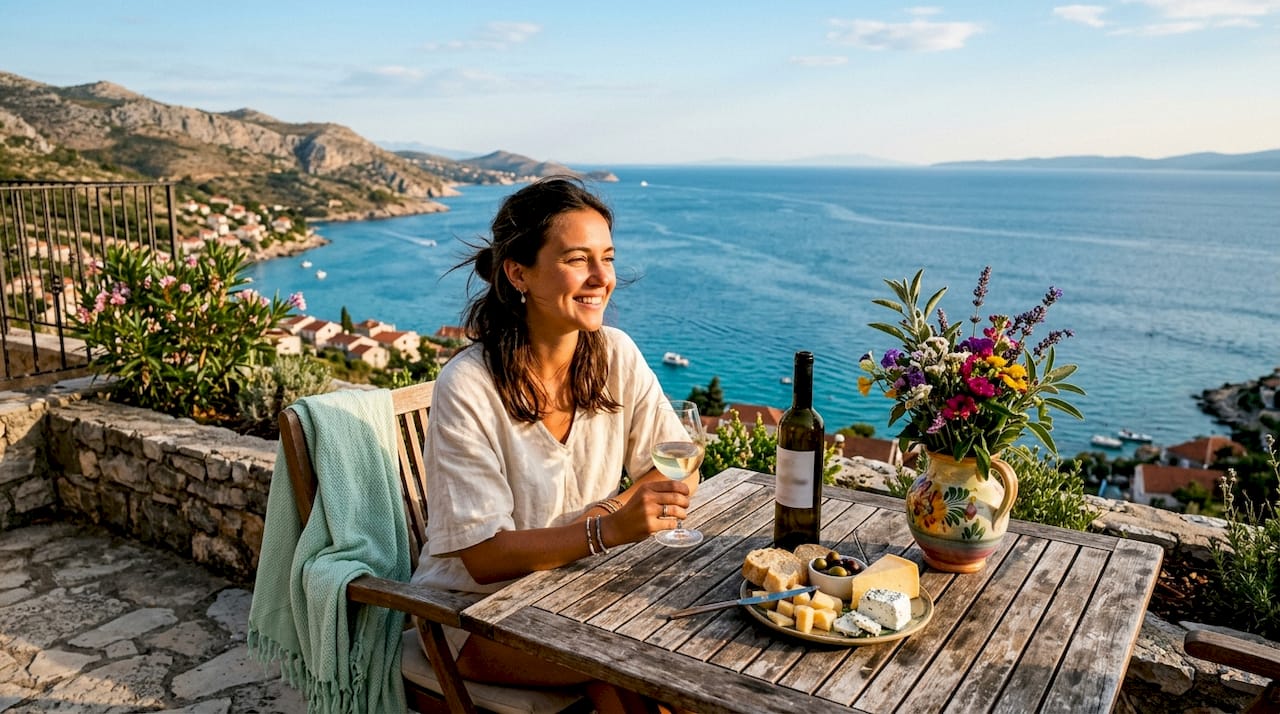
Istria is Croatia’s most developed wine tourism region. Boutique estates here have invested heavily in guided experiences that go well beyond a simple pour. Winery tours in Istria typically last 50–60 minutes, with premium tours starting around €64 per person and including food pairings. That price reflects a genuinely curated experience, not just a glass on a terrace.
A standard guided tasting at an Istrian estate includes a 15–20 minute cellar tour followed by 30–45 minutes of sampling 3–8 regional wines paired with local staples like prosciutto and aged cheeses. The cellar portion matters. It gives context to what you taste, explaining how the estate’s philosophy shapes each bottle.
Many Istrian family estates consider olive oil tasting a standard complement to wine tasting, reflecting the region’s intertwined agricultural heritage. Tasting Malvazija alongside estate-pressed olive oil is one of those combinations that makes complete sense the moment you try it.
- Look for estates that offer eno-gastronomic pairings rather than wine-only flights
- Ask specifically about Teran, Istria’s bold indigenous red, which rarely appears on export markets
- Combine a winery visit with a truffle hunt for a full half-day experience
Pro Tip: Book boutique Istrian estates at least 1–2 weeks in advance. Private appointments unlock rare vertical tastings and direct access to the winemaker, which standard walk-in visits simply cannot offer.
3. Wine tasting in Dalmatia: Korčula, Hvar, and Pelješac
Dalmatia’s wine tasting destinations combine extraordinary indigenous varieties with some of the most photogenic vineyard settings in Europe. Plavac Mali is regarded as Croatia’s leading indigenous red grape, producing full-bodied, high-quality wines that define the Pelješac Peninsula and Hvar Island. Tasting it at the source, with the Adriatic visible from the cellar door, is a genuinely different experience from drinking it at home.
Korčula Island stands apart for its white wine culture. Wine tastings in Dalmatia typically involve indigenous varieties like Pošip and Grk, accompanied by traditional local snacks and detailed guided storytelling. Grk in particular is a grape found almost nowhere else on earth, grown only on the southern tip of Korčula. That rarity alone makes the island worth visiting.
Accessibility is the main logistical challenge in this region. Private tours often bundle door-to-door transportation as a core part of the experience, which is critical for island vineyards on Korčula, Hvar, and the Pelješac Peninsula. Ferries and local buses exist, but they add complexity that works against a relaxed tasting day.
- Pelješac wineries near Potomje and Dingač produce some of Croatia’s most age-worthy reds
- Hvar’s wine tasting experiences pair naturally with the island’s lavender fields and stone villages
- Many Dalmatian estates operate by appointment only, especially smaller family producers
Pro Tip: Pair your Korčula or Pelješac tasting day with a Dubrovnik-based day tour that handles all transfers. You taste more and stress less when the logistics are handled for you.
4. Wine tasting in continental Croatia and lesser-known regions
Continental Croatia rarely appears on wine tourism itineraries, but that is exactly what makes it worth considering. The Slavonia and Danube region produces Graševina, a crisp white wine with a long local history, at estates that see a fraction of the visitors that coastal wineries attract. Smaller crowds mean more personal attention from the winemaker and a more relaxed pace.
The northern regions of Zagorje and Međimurje add a cultural dimension that coastal wine tours often lack. Many estates sit near medieval castles and hilltop villages, so a tasting naturally becomes part of a broader historical experience. The combination of a castle visit and a boutique wine tasting in the same afternoon is genuinely hard to replicate on the coast.
Pricing in continental Croatia tends to be lower than in Istria or Dalmatia. Tastings often include 4–6 wines with light food pairings at a more relaxed pace. For travelers who want depth over spectacle, these regions deliver.
- Slavonian oak barrels are a local specialty used for aging wines, and many estates explain this tradition during tours
- Zagorje’s Štatenberg estate and similar boutique producers offer tastings in historic settings
- Continental regions work well as add-ons to a Zagreb city visit, since many are within an hour’s drive of the capital
5. How to choose the right wine tasting experience in Croatia
Choosing between Croatia’s many vineyard visits comes down to four practical factors: tour style, grape variety focus, accessibility, and cultural depth. Getting these right before you book saves time and produces a far more satisfying day.
Tour style: public vs. private appointment
Public tastings welcome walk-ins and suit travelers who prefer flexibility. Private appointment tours offer access to winemakers, rare vertical tastings, and personalized pairings. Boutique Croatian wineries may require bookings 1–2 weeks in advance for exclusive tastings. That lead time is worth it for the quality of access you receive.
What drives pricing
Tour cost reflects three variables: food pairing quality, exclusivity of access, and duration. A basic tasting of three wines with no food runs significantly less than a premium eno-gastronomic session. Many Croatian wineries offer eno-gastronomic journeys that combine wine education, history, and pairing with award-winning olive oils and traditional local delicacies. Estate managers describe the ideal Croatian wine tasting as an experience emphasizing history, philosophy, and terroir over simple consumption. That framing tells you what the best estates are actually selling.
Accessibility and transport
Island and peninsula wineries require advance planning for transport. A private vehicle eliminates the ferry timing problem entirely and lets you visit two or three estates in a single day without rushing. For luxury wine touring, door-to-door private transfers are the standard choice among experienced travelers.
Cultural components to look for
The best Croatian wine experiences include storytelling about the family’s history, the estate’s philosophy, and the specific terroir of each wine. Estates that combine olive oil tasting with wine tasting offer a fuller picture of regional agriculture. Ask whether the tour includes a cellar walk, a food pairing, and a conversation with the winemaker. Those three elements separate a memorable visit from a forgettable one.
Pro Tip: Always ask the estate whether they offer a “winemaker’s table” format. These small-group sessions, usually capped at 6–8 guests, deliver the most personal and educational tasting experiences available in Croatia.
Key takeaways
Croatia’s best wine tasting experiences combine indigenous grape varieties, family-run estates, and regional gastronomy across distinct regions from Istria to Dalmatia and continental Croatia.
| Point | Details |
|---|---|
| Indigenous variety diversity | Croatia has 130+ indigenous grape varietals, giving each region a genuinely distinct wine identity. |
| Book boutique estates early | Private appointments require 1–2 weeks advance notice and unlock winemaker access and rare tastings. |
| Transport shapes the experience | Island and peninsula vineyards require planned logistics; private transfers remove the main barrier. |
| Eno-gastronomic format wins | The best tastings combine wine, olive oil, local food, and cultural storytelling in a single session. |
| Continental regions are underrated | Slavonia and northern Croatia offer personal, affordable tastings with strong historical context. |
What I’ve learned from Croatia’s wine country
The most common mistake travelers make is treating Croatian wine tasting as a side activity. They book a single winery for an hour and consider the box checked. The estates that genuinely reward your time are the ones that require a full half-day commitment and an advance reservation. That investment is where the real experience lives.
I’ve found that the Pelješac Peninsula consistently surprises visitors who arrive expecting something modest. The Dingač appellation produces wines with a depth and structure that competes with far more famous European regions. Most travelers have never heard of it before they arrive. That gap between expectation and reality is one of Croatia’s greatest assets as a wine destination.
The practical advice I return to every time: combine your tasting with a private transfer, especially for island destinations. Driving after a proper tasting session is not the plan you want. A driver who knows the region also functions as an informal guide between estates, filling in the cultural context that makes the wine make sense.
Finally, do not skip the olive oil. Every region that produces great wine in Croatia also produces exceptional olive oil, and the two together tell a story about the land that neither can tell alone. The estates that understand this offer the most complete experience available anywhere in the country.
— Croatia
Private transfers make Croatian wine tours worth it
Planning a wine tasting day across Croatia’s best regions is genuinely exciting. Getting the logistics right is what separates a great day from a frustrating one.
Croatia-private-transfers provides private transfers across Croatia with licensed, English-speaking drivers and modern air-conditioned vehicles, including Mercedes classes. For wine touring, that means door-to-door service between estates, no parking stress, and the freedom to taste without watching the clock. Groups, couples, and solo travelers all benefit from the same level of care and local knowledge. Whether you are heading to Pelješac, Korčula, Hvar, or Istria’s boutique estates, Croatia-private-transfers builds the itinerary around your preferences and handles every transfer with precision.
FAQ
What are the top wine regions to visit in Croatia?
Istria, the Pelješac Peninsula, Korčula, and Hvar are Croatia’s most celebrated wine regions for visitors. Continental regions like Slavonia and Zagorje offer quieter, equally rewarding alternatives.
How long does a typical Croatian winery tour last?
Most guided winery tours in Croatia last 50–60 minutes, combining a cellar walk with a tasting of 3–8 wines paired with local food.
Do Croatian wineries require advance booking?
Boutique estates often require reservations 1–2 weeks in advance, especially for private or winemaker-led tastings. Walk-in tastings are available at larger, more commercial estates.
What grape varieties should I look for in Croatia?
Plavac Mali is Croatia’s most celebrated red grape, while Pošip, Grk, and Malvazija Istarska are the standout whites. All four are indigenous to Croatia and rarely found elsewhere.
Is wine tasting near Dubrovnik possible as a day trip?
Yes. The Pelješac Peninsula and Korčula Island are both reachable from Dubrovnik as day trips, and private transfer services make the logistics straightforward for a full tasting day.