

Best Family-Friendly Activities in Croatia for 2026
TL;DR:
- Croatia offers families a rewarding blend of UNESCO parks, beautiful coastlines, and historic cities. Engaging activities like national park visits, night kayaking, and island hopping make it an ideal family destination. Planning with private transfers, early visits, and proper gear enhances relaxation and enjoyment for all ages.
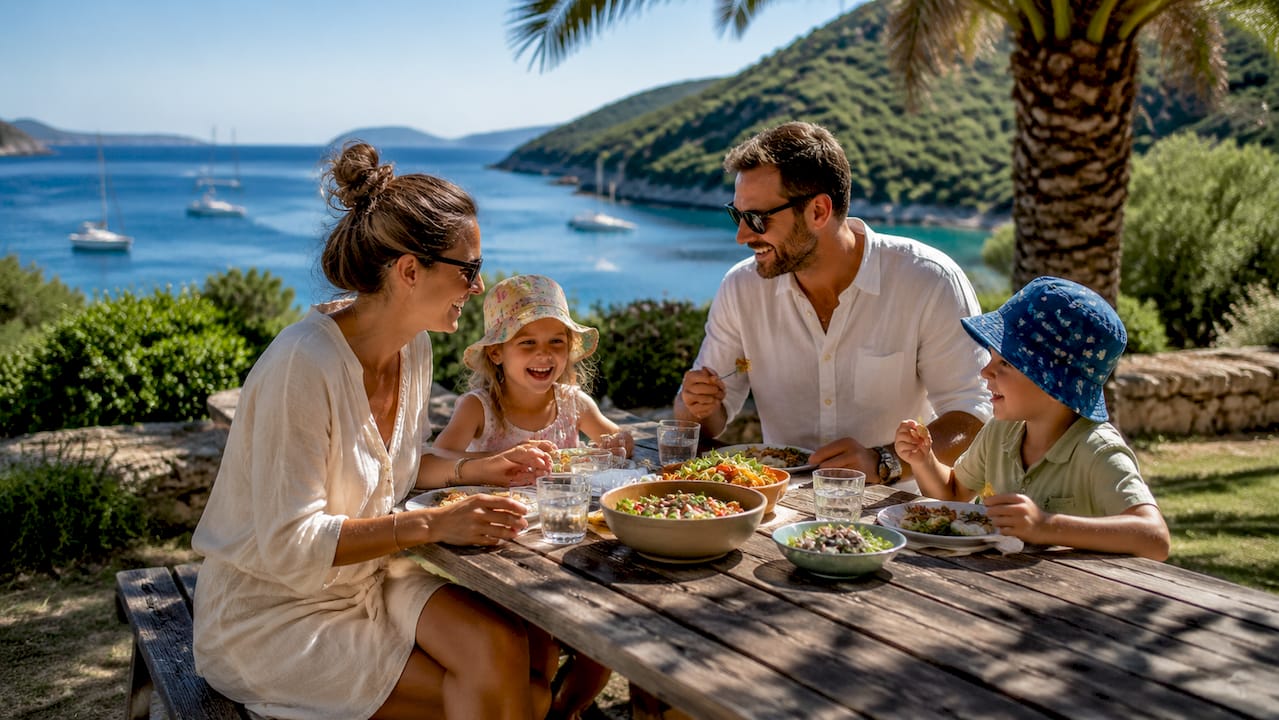
Croatia is defined as one of Europe’s most rewarding family vacation destinations, offering a rare combination of UNESCO-protected national parks, crystal-clear Adriatic coastline, and medieval cities that captivate children and adults in equal measure. Family-friendly activities in Croatia span everything from boardwalk hikes through Plitvice Lakes National Park to guided night kayaking off the island of Rab, snorkeling in sheltered coves, and exploring the ancient walls of Dubrovnik. Croatia is very safe for American tourists, with English widely spoken in tourist areas and low violent crime rates, making it an accessible choice for first-time family travelers. The recommended trip length is five to seven days minimum, giving families enough time to experience both the coast and inland natural sites without feeling rushed.
1. Best family-friendly activities in Croatia: national parks
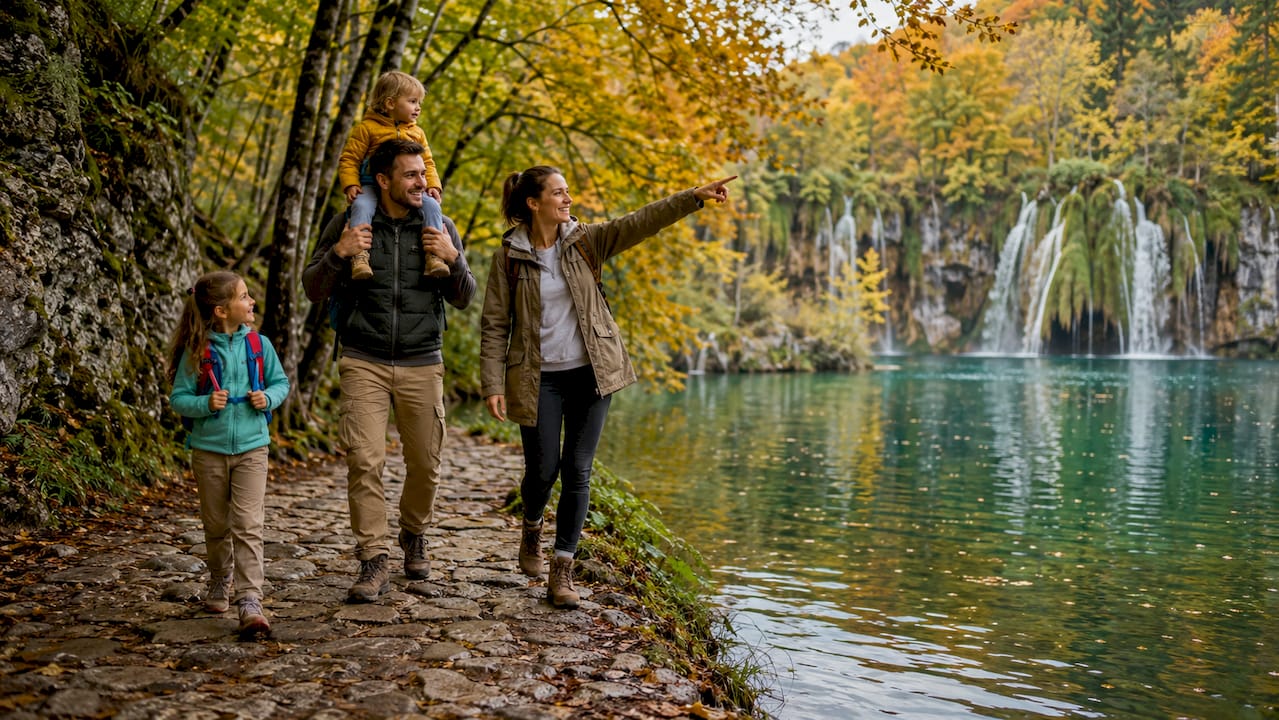
Plitvice Lakes National Park is the single most visited natural site in Croatia, and it earns that status with families for good reason. The park features a network of wooden boardwalks suspended above turquoise lakes and cascading waterfalls, making it genuinely accessible for children who can walk independently. Trails are well-marked and shaded, and the electric boat that crosses the main lake adds a moment of genuine wonder for younger visitors. Krka National Park, closer to Split and Šibenik, offers a similar experience with the added bonus of a swimming area directly beneath Skradinski Buk waterfall, which children find irresistible.
2. Guided night kayaking for kids
Family night kayaking in Lopar on the island of Rab is one of the most memorable kid-friendly attractions Croatia offers. Children as young as four or five can participate when seated with an adult in a double transparent kayak, with sessions running 60 to 90 minutes. The clear-bottomed kayaks illuminate the sea floor beneath, turning a simple paddle into something that feels genuinely magical. This activity works especially well in the shoulder season when the water is calm and the crowds are thin.
3. Croatia’s beaches: what families need to know
Croatian beaches are predominantly pebbly or rocky rather than sandy, which surprises many first-time visitors. Water shoes and inflatable mats are strongly recommended for children, as bare feet on sharp pebbles quickly turn a relaxed afternoon into a frustrating one. The upside of pebble beaches is that the water is exceptionally clear and shallow near the shore, making it ideal for young swimmers and snorkelers. Beaches around Brač, Hvar, and the Makarska Riviera offer calm, sheltered bays that are particularly well-suited for families with toddlers.
Pro Tip: Pack a set of water shoes for every family member and bring at least one inflatable beach mat per child. These two items will transform your beach experience from uncomfortable to genuinely relaxing.
4. Historic cities worth exploring with children
Dubrovnik, Split, Zadar, and Rovinj each offer layers of history that translate surprisingly well into engaging experiences for children. Dubrovnik’s city walls provide a one-mile circuit with panoramic views of the Adriatic that older children find genuinely exciting. Split’s Diocletian’s Palace is a living city built inside a Roman emperor’s retirement home, a concept that sparks curiosity in kids who have studied ancient history. Zadar is home to the Sea Organ, a public installation where waves push air through pipes beneath the promenade to create ambient music. Children consistently stop and listen, often for longer than their parents expect.
Historic centers are often difficult for strollers due to cobblestones and hills, so travel advisors recommend carrying a sturdy baby carrier alongside a lightweight stroller for flatter areas. Lokrum Island, reachable by a short boat trip from Dubrovnik’s old port, offers botanical gardens, a saltwater lake, and resident peacocks that delight younger visitors. Cable cars in Dubrovnik and Split provide easy elevation access and sweeping views without requiring a strenuous climb.
Pro Tip: Bring a structured baby carrier with lumbar support for cobblestone old towns. Save the stroller for waterfront promenades and flat marina areas where it actually rolls smoothly.
5. Water-based activities for the whole family
Stand-up paddleboarding, snorkeling, and swimming define Croatia outdoor family fun along the Dalmatian coast. Calm bays around the islands of Korčula, Vis, and Mljet offer protected water ideal for paddleboarding with children, with rental equipment widely available at beach clubs and marinas. Snorkeling gear is inexpensive to rent or buy locally, and the visibility in Croatian coastal waters regularly exceeds ten meters, making it rewarding even for beginners. Island hopping by ferry is a practical and genuinely enjoyable family activity, with Jadrolinija ferries running reliable routes between Split, Hvar, Korčula, and Dubrovnik.
Shoulder months like May, June, September, and October offer warm sea temperatures without the intense heat and crowds of July and August. This timing matters significantly for families: midday heat in peak summer can exhaust young children quickly and limit the hours available for outdoor activity.
Pro Tip: Schedule beach time for early morning and late afternoon. The light is better, the water is calmer, and children are far more comfortable without the midday sun overhead.
6. Adventure parks and active outdoor experiences
Adventure parks featuring zip-lining, climbing courses, and paintball are widely available along the Croatian coast and on popular islands, making them a strong option for families with older children seeking more adrenaline. Biking trails around Istria and the Dalmatian hinterland are well-maintained and offer routes graded for different fitness levels, including gentle family circuits through vineyards and olive groves. Family-friendly e-bikes make these routes accessible even for families with varying fitness levels, allowing parents and children to cover more ground comfortably. Playgrounds are common near cafés in most Croatian towns, well-maintained and safe, giving children a place to burn energy between sightseeing stops.
7. Dining with children in Croatia
Croatian dining culture centers on long, leisurely meals, which is wonderful for adults but can challenge families with young children. Croatian dinners start late, often after 8 p.m., which conflicts with most children’s mealtime routines. The practical solution is to make lunch the main meal of the day, taking advantage of the excellent value and generous portions at local konobas (family-run taverns) between noon and 3 p.m. Most restaurants along the coast offer grilled fish, pasta, and pizza that children accept readily, and portions are generous enough to share.
8. Choosing accommodations and transport for families
Family-friendly hotels and resorts with pools, kids’ clubs, and spacious rooms are concentrated around Rovinj, Dubrovnik, and the Makarska Riviera. Staying slightly outside the old town in any Croatian city gives families more space, easier parking, and quieter evenings, while remaining within a short drive of the main attractions. Booking early is particularly important for 2026, as family-specific room configurations and ground-floor units with garden access sell out months in advance.
For transport, private and bespoke tours tailored for families dramatically reduce travel stress by allowing exploration at a pace suited to children. A private vehicle eliminates the logistical complexity of coordinating bus schedules with nap times and meal stops. Croatia-private-transfers offers family-friendly private tours across all age groups, with licensed, English-speaking drivers and modern air-conditioned vehicles that accommodate car seats and luggage comfortably.
Pro Tip: Consider a private day tour for at least one leg of your trip, particularly for Plitvice Lakes or a coastal island circuit. The ability to stop when children need a break, without waiting for a group, changes the entire experience.
9. Practical travel tips for families visiting Croatia
Baby-changing facilities are rare in Croatia, and parents commonly adapt by using strollers in parks or public squares, which is socially accepted. Croatia’s charm for families lies in its relaxed, welcoming attitude toward children rather than in purpose-built baby infrastructure, so flexibility is the most valuable thing you can pack. The recommended minimum trip length of five to seven days allows families to balance coastal relaxation with inland exploration without feeling overwhelmed.
A practical packing list for Croatia travel with children should include:
- Water shoes for every family member
- Sun hats and reef-safe sunscreen
- A structured baby carrier for cobblestone towns
- Snacks to manage energy levels between meals
- A lightweight inflatable beach mat
- A portable first-aid kit with blister treatment
Review the family travel checklist for Croatia before departure to make sure nothing critical is left behind.
Key takeaways
The most rewarding family trips to Croatia combine shoulder-season timing, water-ready gear, and private transport that adapts to children’s pace rather than forcing families into rigid group schedules.
| Point | Details |
|---|---|
| Best travel months | Visit in May, June, September, or October to avoid peak heat and crowds while enjoying warm sea temperatures. |
| Beach preparation | Pack water shoes and inflatable mats for every child, as most Croatian beaches are pebbly or rocky. |
| City navigation | Carry a sturdy baby carrier for cobblestone old towns and reserve the stroller for flat promenade areas. |
| Dining strategy | Make lunch the main family meal to align with children’s routines and avoid late Croatian dinner hours. |
| Transport choice | Private transfers and tailored tours reduce stress and allow families to explore at a child-friendly pace. |
What I’ve learned from exploring Croatia with children
Croatia does not try to be a theme park, and that is precisely what makes it so rewarding for families who are willing to engage with it on its own terms. The country’s culture is genuinely warm toward children. Waiters bring out bread and olives for restless kids without being asked. Locals in small towns will stop to admire a baby or chat with a curious child. That warmth is not manufactured for tourism. It is simply how Croatian communities operate.
What I have found, after guiding families through Dubrovnik’s old town, along the boardwalks of Plitvice, and across the ferry routes of the Dalmatian islands, is that the families who enjoy Croatia most are the ones who resist the urge to over-schedule. One national park, one coastal town, and one island in a week is a richer experience than five cities in five days. The pace of discovery matters as much as the destinations themselves.
Private tours, in my experience, are not a luxury for families. They are the practical choice. The ability to stop at a roadside fig tree, let children run in a meadow, or linger at a viewpoint without a tour bus waiting changes the emotional texture of the entire trip. Croatia rewards that kind of unhurried attention.
— Croatia
Plan your family trip with Croatia-private-transfers
Croatia-private-transfers specializes in making family travel across Croatia genuinely effortless. From the moment your flight lands, a licensed, English-speaking driver in a modern, air-conditioned vehicle handles the logistics so your family can focus on the experience.
Whether you need a private airport transfer from Split or Dubrovnik, an intercity shuttle between coastal cities, or a fully tailored day tour in Croatia built around your children’s interests and energy levels, Croatia-private-transfers delivers the flexibility that families need. Vehicles accommodate car seats, strollers, and luggage without compromise. Book early to secure your preferred dates and vehicle configuration for the 2026 season.
FAQ
What are the best months for a family trip to Croatia?
May, June, September, and October are the optimal months for Croatia travel with children, offering warm sea temperatures without the extreme heat and peak crowds of July and August.
Are Croatian beaches safe for young children?
Most Croatian beaches are pebbly or rocky rather than sandy, so water shoes and inflatable mats are recommended for children. The water is exceptionally clear and calm in sheltered bays, making it safe for young swimmers.
How do you handle strollers in Croatian old towns?
Historic centers like Dubrovnik and Split are cobblestoned and hilly, making strollers difficult to use. Travel advisors recommend a sturdy baby carrier for old town exploration and a lightweight stroller for flat waterfront promenades.
What is the recommended trip length for families visiting Croatia?
Travel advisors recommend a minimum of five to seven days for a Croatia family vacation, allowing enough time to experience both the Adriatic coastline and inland sites like Plitvice Lakes without feeling rushed.
Are private tours worth it for families in Croatia?
Private tours tailored for families significantly reduce travel stress by allowing exploration at a pace suited to children’s needs, with the flexibility to stop, rest, and adjust the itinerary as the day unfolds.