
Cultural Exploration Tours Explained for Curious Travelers
TL;DR:
- Cultural exploration tours emphasize deep engagement with local culture, heritage, and daily life over passive sightseeing. They feature small groups, authentic experiences, and community involvement to foster meaningful connections and understanding. Planning with respect, research, and choosing community-endorsed operators maximizes authenticity and ethical travel experiences.
Cultural exploration tours are defined as structured travel experiences that prioritize direct engagement with a destination’s local culture, heritage, arts, and daily life over passive sightseeing. Unlike a standard city bus tour or a resort stay, these experiences place the traveler inside the living culture rather than in front of it. The industry term for this practice is “cultural immersion travel,” and understanding that distinction matters when you are planning something genuinely transformative. This guide covers cultural exploration tours explained in full: what they are, how they differ from conventional tourism, what to expect, and how to plan one with both depth and respect.
What are cultural exploration tours and how do they differ from traditional tourism?
Cultural exploration tours engage travelers with local culture through heritage sites, community interactions, artisan traditions, and everyday life rather than curated highlights alone. The traveler’s intent is the defining factor. A tourist photographs the Dubrovnik city walls and moves on. A cultural explorer spends an afternoon with a local stone mason learning how those walls were built and maintained across centuries.
The contrasts with mass tourism are specific and worth naming:
- Group size: Mass tourism operates on economies of scale, filling coaches with 40 or 50 people. Cultural exploration tours favor groups of 6 to 12, creating space for genuine conversation and flexibility.
- Itinerary pacing: Slow travel pacing means spending a full week in one location rather than skimming three cities in four days. That depth produces cultural insight that a rushed itinerary cannot replicate.
- Experience authenticity: Commercial tourism often delivers staged performances designed for foreign audiences. Cultural immersion trips seek out unscripted moments: a family meal, a neighborhood market at dawn, a local festival not listed in any guidebook.
- Community relationship: Standard tours treat locals as backdrop. Cultural exploration treats them as the primary source of knowledge and meaning.
Pro Tip: Before booking any tour labeled “cultural,” ask the operator how many travelers are in each group and whether local community members are directly involved in guiding or hosting. Vague answers are a reliable warning sign.
The shift in mindset required is real. You are not a consumer of a destination’s highlights. You are a learner, and the culture you are visiting is your teacher.
What types of experiences define cultural immersion trips?
The range of activities on well-designed cultural travel experiences is broader than most travelers expect. A thoughtfully paced itinerary draws from several categories of engagement, each offering a different layer of understanding.
- Heritage and historical site visits go beyond the plaque on the wall. A guided walk through Split’s Diocletian’s Palace with a local historian who grew up in the city tells a fundamentally different story than an audio guide.
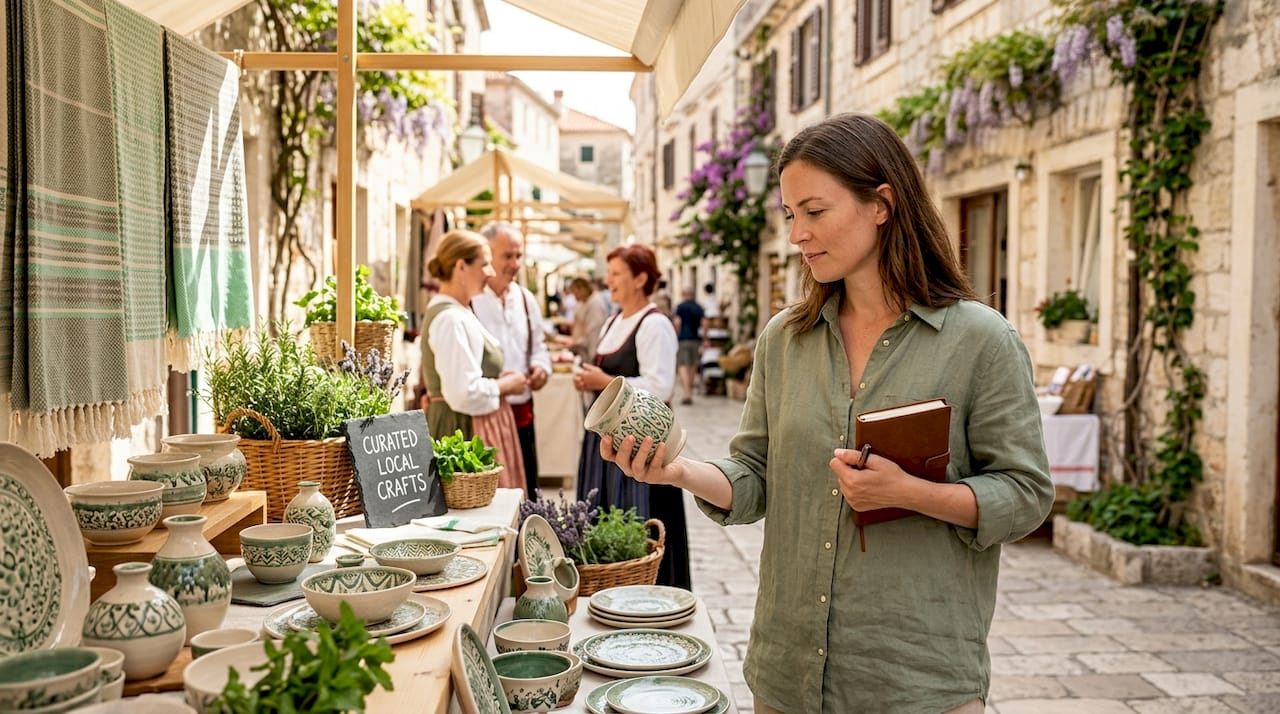
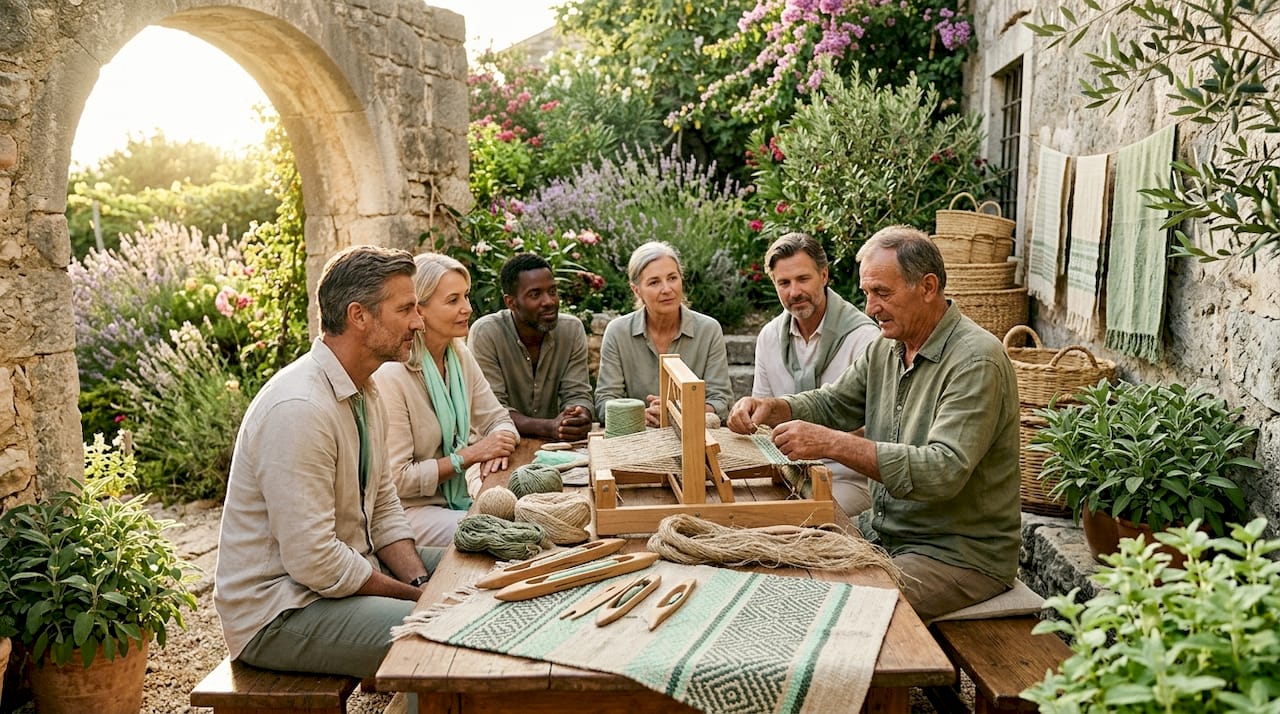
- Artisan workshops place you inside the craft. Pottery, weaving, lace-making, and woodcarving workshops in places like Hvar or Korčula connect travelers to skills passed down across generations.
- Culinary experiences and market exploration are among the most direct routes into a culture. Cooking classes using ingredients sourced from a morning market visit reveal agricultural traditions, seasonal rhythms, and family customs simultaneously.
- Homestays and community stays are the most immersive format available. Experts recommend a minimum of two nights in community contexts, because trust and meaningful conversation take time to develop. A half-day visit produces photo opportunities, not relationships.
- Cultural festivals and local events offer unscripted access to living tradition. Attending a harvest festival in the Dalmatian hinterland or a klapa singing evening in a village square reveals how culture is practiced, not just preserved.
The table below shows how these experience types compare across key dimensions:
| Experience type | Depth of immersion | Typical duration | Best for |
|---|---|---|---|
| Heritage site visits | Moderate | 2 to 4 hours | History-focused travelers |
| Artisan workshops | High | Half day to full day | Hands-on learners |
| Culinary and market tours | High | Half day | Food-curious travelers |
| Community or family stays | Very high | 1 to 3 nights | Deep cultural connection |
| Local festivals and events | High | Evening to full day | Cultural context seekers |
A 6-day cultural immersion package in Fes, for example, combines a UNESCO medina visit, artisan workshops, traditional cooking instruction, and a hammam ritual into a single coherent arc. That structure illustrates how the best operators layer experience types rather than offering isolated activities.
How to plan a cultural exploration tour for maximum authenticity
Planning a cultural immersion trip well requires preparation that goes beyond booking flights and hotels. The quality of your experience depends heavily on the decisions you make before you arrive.
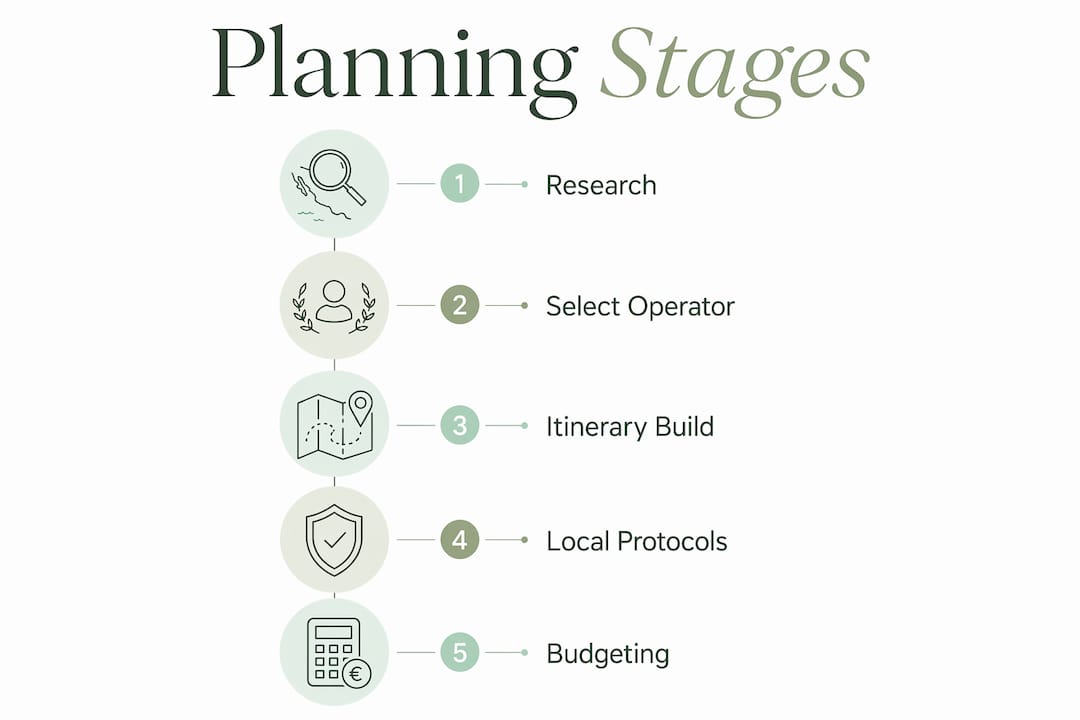
Research the destination’s cultural protocols. Learning key local phrases and respecting dress codes builds goodwill immediately and signals respect to your hosts. In Croatia, for instance, knowing that a small coastal village church requires covered shoulders is basic courtesy that opens rather than closes doors.
Select operators with genuine community endorsement. Community ownership of cultural tours enhances authenticity and keeps revenue circulating locally. Community-owned lodges employ local guides with personal stakes in the experience and direct the income toward community development. Ask operators specifically how local partners are compensated, not just whether they are involved.
Understand what is included and excluded. Travelers should ask detailed questions about inclusions rather than accepting vague claims of community involvement. A reputable operator will specify entrance fees, meal arrangements, guide credentials, and any activities that require advance consent from the host community.
Budget for local expenditures. Purchasing directly from artisans, eating at family-run restaurants, and tipping local guides keeps money where it belongs. Around 75% of trip revenue stays in local economies when travelers choose community-connected operators, compared to a fraction of that figure with large international tour companies.
Structure your itinerary for depth, not coverage. The comparison below clarifies the practical difference:
| Approach | Itinerary style | Cultural outcome |
|---|---|---|
| Coverage-focused | 5 cities in 7 days | Surface impressions, limited connection |
| Depth-focused | 2 regions in 7 days | Relationships, context, lasting memory |
Pro Tip: Build at least one unscheduled half-day into every three days of your itinerary. The most memorable cultural moments on any trip tend to happen when you wander without a plan and accept an unexpected invitation.
Ethical participation requires clear community consent and respect for what is off-limits. Photographing sacred spaces, attending rituals, or entering private areas without explicit permission crosses a line that no amount of curiosity justifies.
What are the current trends shaping cultural exploration travel?
The cultural travel sector in 2026 is moving decisively toward smaller groups and more tailored experiences. Specialist cultural tour operators are purposely designing less rigid schedules to allow learning at a cultural pace, prioritizing personal interaction over itinerary efficiency. This shift reflects a broader traveler demand for experiences that feel earned rather than delivered.
Several trends are reshaping what guided cultural adventures look like in practice:
- Slow travel is gaining ground. Travelers are choosing fewer destinations and longer stays, recognizing that a week in one place yields more genuine insight than a rapid multi-city sweep.
- Economic transparency is becoming a standard expectation. Travelers increasingly want to know where their money goes. The average traveler on a cultural tour spends around $263 on handicrafts alone, representing direct income for local artisans.
- Authenticity versus performance is the central tension. The risk of staged cultural experiences designed to satisfy tourist expectations without genuine community participation remains real. The solution is community ownership, not just community presence.
- Ethical frameworks are formalizing. Organizations like the Impact Travel Alliance and UNESCO are publishing clearer guidance on participatory heritage management that empowers communities as decision-makers rather than subjects of tourism.
- Technology is raising expectations and risks simultaneously. Social media drives interest in off-the-beaten-path cultural sites, which can quickly overwhelm small communities. Responsible operators manage visitor numbers and timing to protect the very experiences travelers seek.
“Ethical tourism requires truthful representation, no extraction without self-determination, and transparent benefit-sharing.” Indigenous Peoples’ Rights in Tourism
The most important shift is attitudinal. Travelers who approach cultural exploration as a form of learning rather than consumption produce better outcomes for themselves and for the communities they visit.
Key takeaways
Cultural exploration tours deliver their greatest value when travelers prioritize depth over coverage, choose community-endorsed operators, and approach every interaction as a learner rather than a spectator.
| Point | Details |
|---|---|
| Define your intent first | Cultural immersion travel is defined by traveler mindset, not just itinerary content. |
| Choose smaller groups | Groups of 6 to 12 allow genuine conversation and flexible pacing unavailable in mass tourism. |
| Prioritize community ownership | Operators with local community stakes keep revenue local and deliver more authentic experiences. |
| Slow down deliberately | Spending a full week in one region produces cultural insight that multi-city itineraries cannot match. |
| Prepare before you arrive | Learning local customs, phrases, and protocols before travel builds trust and opens doors. |
Why cultural exploration changed how I think about travel
After years of arranging private tours across Croatia, the pattern I notice most clearly is this: the travelers who leave most changed are never the ones who saw the most sites. They are the ones who sat longest at a single table.
The conventional wisdom in travel marketing says that more destinations equal more value. That framing is wrong. A traveler who spends three days in the Dalmatian hinterland learning about traditional dry-stone walling, sharing meals with a farming family, and attending a local klapa performance leaves with something that no highlight reel can replicate. They leave with context. They understand why the landscape looks the way it does, why the food tastes the way it does, and why the music carries the emotional weight it does.
The mistake I see most often is rushing. Travelers book a cultural tour and then fill every hour with scheduled activities, leaving no room for the unplanned conversation that becomes the story they tell for years. The top cultural experiences in Croatia are not always the famous ones. They are often the ones that happen because a driver knows a village that is not in any guidebook, or because an afternoon runs long and a family invites you to stay for dinner.
Cultural appropriation and extractive tourism are real risks, and they deserve honest acknowledgment. The difference between appreciation and extraction is consent, compensation, and continuity. If the community benefits, if the interaction was invited, and if the traveler returns home with respect rather than just content, the exchange was ethical.
My recommendation: choose one cultural thread and follow it deeply. Food, architecture, music, textile traditions. Pick one and let it guide your itinerary. You will understand more about a place through one thread pulled all the way through than through a dozen threads barely touched.
— Croatia
Explore Croatia’s cultural depth with private transfers
Croatia holds layers of history that reward slow, attentive travel. From the Roman streets of Split to the medieval walls of Dubrovnik, from the wine villages of Pelješac to the UNESCO-listed old town of Trogir, the country offers cultural travel experiences that go far beyond the coastline.
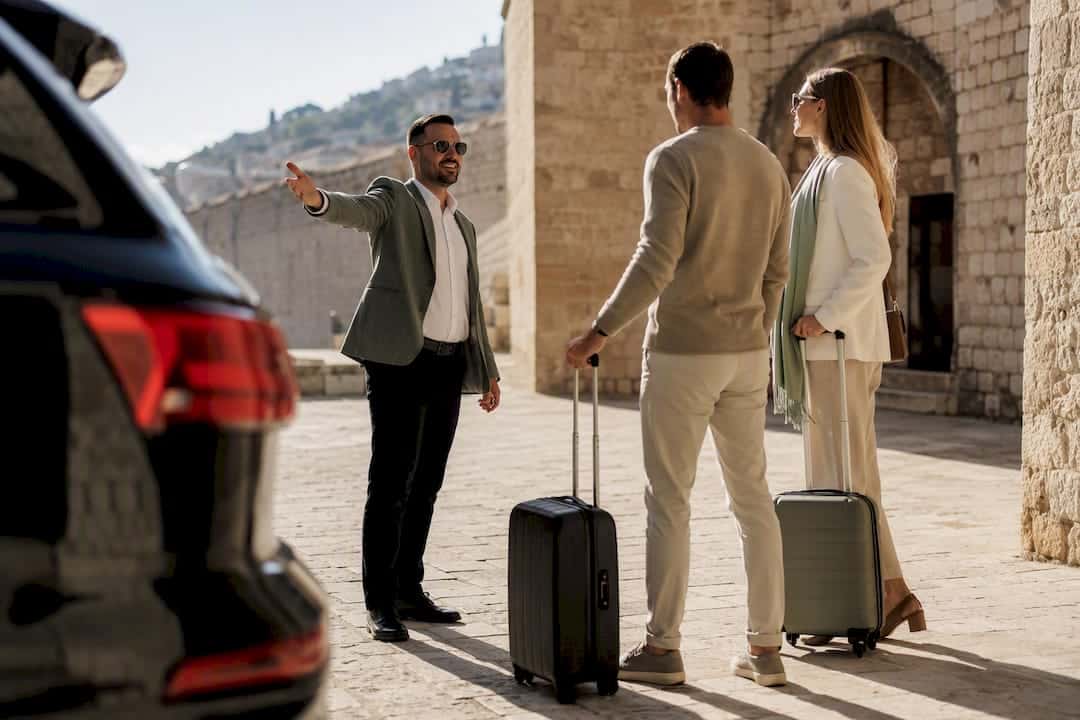
Croatia-private-transfers designs private cultural tours in Croatia that place you inside these experiences rather than outside them. Licensed, English-speaking drivers with deep local knowledge take you to the artisan workshops, family-run konobas, and heritage sites that define authentic Croatian culture. For travelers who want a multi-day arc through the country’s cultural highlights, multi-day private driver tours offer fully customized itineraries built around your interests. Every transfer is handled in a modern, air-conditioned vehicle, so the journey between destinations is as comfortable as the destination itself.
FAQ
What is cultural exploration travel?
Cultural exploration travel is a form of tourism focused on direct engagement with a destination’s heritage, communities, arts, and daily life rather than sightseeing alone. It is defined by the traveler’s intent to learn and connect rather than simply observe.
How is a cultural tour different from a regular tour?
A cultural tour prioritizes smaller groups, slower pacing, and authentic community interaction over a checklist of famous sites. Regular tours are typically larger, faster, and focused on visual highlights rather than meaningful engagement.
What should I expect on a cultural immersion trip?
Expect a mix of heritage site visits, artisan workshops, culinary experiences, and community interactions, all paced to allow genuine learning. Reputable operators will brief you on cultural protocols such as photography rules, dress codes, and consent practices before each activity.
How do I choose an ethical cultural tour operator?
Ask specifically how local community members are compensated, whether the tour is community-endorsed, and what activities require advance consent. Operators who answer these questions with specifics rather than generalities are the ones worth booking.
Is Croatia a good destination for cultural exploration tours?
Croatia offers an exceptional range of cultural travel experiences, from Roman and Venetian heritage in coastal cities to living folk traditions in inland villages. Its scenic destinations and cultural depth make it one of Europe’s most rewarding countries for immersive, thoughtfully paced cultural travel.