

Zagreb to Zadar Transfers: Check the €17.60 A1 Toll Before Booking
A private transfer from Zagreb to Zadar typically costs several hundred euros per vehicle, a taxi runs somewhat higher depending on the meter and tolls, and the Arriva bus remains the budget choice at around €9 to €20 per seat.
For travelers who want door-to-door comfort without juggling timetables or taxi stands, a private transfer is the simplest way to cover the roughly 300 kilometers between the two cities.
TL;DR:
- A private transfer costs €150 to €250 per vehicle, while Arriva charges €9 to €20 per seat; four bus fares may approach the vehicle price.
- The A1 toll is €17.60 for a standard car, but larger vehicles pay more; confirm tolls and waiting time are included before accepting a quote.
- The A1 route spans 290 to 300 kilometers and takes three to four and a half hours; allow extra toll plaza time on peak days.
- For summer travel or public holidays, book two to three weeks ahead and provide exact addresses, passenger numbers, luggage details, and any planned detours.
Table of Contents
- Quick price summary: what you can expect to pay
- What affects the price (how providers calculate Zagreb–Zadar quotes)
- Typical travel time, route, and practical timing advice
- How to book a private Zagreb–Zadar transfer (step-by-step)
- Comparing total cost: gratuity, waiting time, and luggage
- From reservation to drop-off: how the process actually works
- Refund and rescheduling policies for this route
- Why a private transfer makes sense for this route
- Book your Zagreb to Zadar transfer with us
- FAQ
- Sources
Quick price summary: what you can expect to pay
The numbers above come from three very different experiences, and the gap between them reflects what each option actually includes. A private transfer covers the whole vehicle, so the fare stays flat whether one person or four people travel together with their luggage.
- Standard sedans for one to three passengers typically fall at the lower end of the private-transfer range, while minivans for larger groups or extra bags sit closer to the top.
- Taxis price per kilometer plus tolls, so the final fare depends on traffic, the exact pickup point, and whether the driver takes the most direct motorway route.
- Buses operated by Arriva run several times daily between Zagreb and Zadar, with a journey time of about three to three and a half hours and fares in the low double digits.
A private transfer at €150 to €250 covers the entire vehicle, not a per-person seat, which often makes it cheaper than four individual bus tickets once you add the cost of getting to and from the station. All prices in this guide are quoted in euros, Croatia’s official currency.
What affects the price (how providers calculate Zagreb–Zadar quotes)
A quote for the same route can vary by more than €50 depending on a handful of factors that every provider weighs differently.
- Vehicle class and capacity: a sedan for up to three passengers costs less than a minivan or minibus built for larger groups or extra luggage.
- Extra stops or detours: a diversion to Plitvice Lakes or Krka National Park adds driving time and is priced separately from the direct route.
- Tolls on the A1 motorway: a Category I passenger car pays €17.60 in tolls between Zagreb and the Zadar-centar exit, a cost built into most private-transfer quotes. The official HAC toll price list confirms separate toll values for each vehicle category, so a minivan or larger vehicle pays more than a standard car.
- Season and timing: summer weekends and public holidays bring heavier traffic and sometimes higher demand pricing.
- Payment and cancellation terms: a deposit, a strict cancellation window, or a surcharge for late changes can shift what you end up paying.
Pro Tip: Ask any provider whether tolls and waiting time are already included in the quoted price, so the number you see is the number you pay.
HAK traffic forecasts regularly flag extended weekends and public holidays as periods of heavy congestion on the A1 toward the coast, with queues forming at Lučko and other toll plazas. Booking a private transfer in advance during those windows tends to secure a confirmed vehicle and price before demand pushes rates up.
Typical travel time, route, and practical timing advice
The drive from Zagreb to Zadar covers roughly 290 to 300 kilometers, almost entirely along the A1 motorway, and usually takes about three to four and a half hours depending on traffic and any planned stops. The Lučko toll plaza just outside Zagreb is the first major choke point, and it backs up quickly during holiday departures.
- Allow extra buffer time when flying into Zagreb, since baggage claim and airport exit procedures can eat into your pickup window.
- Check HAK’s seasonal traffic forecasts before travel dates that fall on long weekends or national holidays.
- Build in 30 to 45 minutes of slack around toll plazas during peak summer traffic, since queues there are the most common source of delay on this route.
A private driver who already knows the route and the seasonal patterns can often adjust timing or choose alternate approaches near Zadar to avoid the worst of it, something a fixed bus schedule cannot do for you.
How to book a private Zagreb–Zadar transfer (step-by-step)
Getting an accurate quote takes only a few details, but leaving one out can delay confirmation or lead to a higher price once a provider recalculates for extra stops or passengers.
- Share your exact date and time, including your flight number if you’re arriving at Zagreb Airport, so the driver can track delays.
- Give full pickup and drop-off addresses, not just city names, since quotes depend on the precise start and end points.
- State your passenger count and luggage volume, which determines whether a sedan or a larger vehicle fits your group.
- Mention any planned stops, such as a detour through Plitvice Lakes, since this changes both the price and the travel time.
- Confirm payment method and deposit requirements before the trip, and read the cancellation window so you know what happens if plans change.
Pro Tip: Book at least two to three weeks ahead for summer travel or any date near a Croatian public holiday, since vehicles and preferred time slots fill up fast during those windows.
Most private-transfer quotes are priced per vehicle rather than per person, which is worth confirming upfront if you’re comparing multiple providers.
Comparing total cost: gratuity, waiting time, and luggage
The quoted fare rarely tells the whole story, and a handful of extras can shift what you actually pay at the end of the trip. Driver gratuity isn’t mandatory in Croatia, but many travelers round up or add a modest tip for good service, similar to tipping conventions across much of Europe.
Waiting time is the extra that catches people off guard most often. A reasonable grace period, usually around 15 to 30 minutes for flight delays, is typically built into airport-transfer pricing, but waiting beyond that window can trigger an additional charge depending on the provider’s terms. Luggage is rarely an issue for a standard transfer, since the quoted price for a sedan or minivan generally assumes two checked bags per passenger, but skis, oversized items, or a group with unusually heavy luggage may require a larger vehicle and a different quote.
By contrast, a taxi fare builds in none of these considerations automatically. The meter runs on distance and time, tolls are added separately, and a long wait at the curb simply means a higher number on the display when you finally get in. Knowing the full cost picture before you book, rather than after the driver pulls up, is one of the clearest advantages of a fixed private-transfer price over a metered taxi fare.

From reservation to drop-off: how the process actually works
Booking a private transfer follows a predictable sequence, and knowing what happens at each step helps you plan the rest of your trip around it. It starts with a request: you submit your travel dates, pickup and drop-off details, and passenger count, and a provider responds with a fixed quote, usually within a few hours.
Once you accept the quote, confirmation typically involves a deposit or full payment, along with a booking reference you’ll want to keep handy for the day of travel. In the days before your transfer, the provider usually reconfirms the pickup time and location, particularly important if you’re arriving by flight and your schedule could shift.
On the day itself, the driver monitors your flight or travel plans and adjusts the pickup time if there’s a delay, then meets you at the agreed point with a vehicle ready for your luggage. The drive itself follows the A1 motorway, with any agreed stops along the way, and ends with drop-off at the exact address you provided in Zadar, whether that’s a hotel, an apartment, or another specific location. The entire arc, from the first request to the final drop-off, is designed to remove the guesswork that comes with hailing a taxi or timing a bus connection around a flight.

Refund and rescheduling policies for this route
Plans change, and knowing the terms before you book saves frustration later. Most private-transfer providers on the Zagreb–Zadar route allow free rescheduling if you notify them a reasonable number of days in advance, often 48 to 72 hours before pickup, since that gives enough time to reassign the vehicle and driver to another booking.
Cancellations closer to the pickup time typically carry a partial or full charge, particularly if the request comes within 24 hours of departure, since a vehicle and driver have already been allocated specifically for your trip. A full refund is more likely when a cancellation happens well in advance or when the provider itself cannot fulfill the booking due to a vehicle issue. Always read the specific cancellation window listed at the time of booking rather than assuming a standard policy, since terms can vary slightly between providers and between standard transfers and ones that include extra stops or custom itineraries.
Why a private transfer makes sense for this route
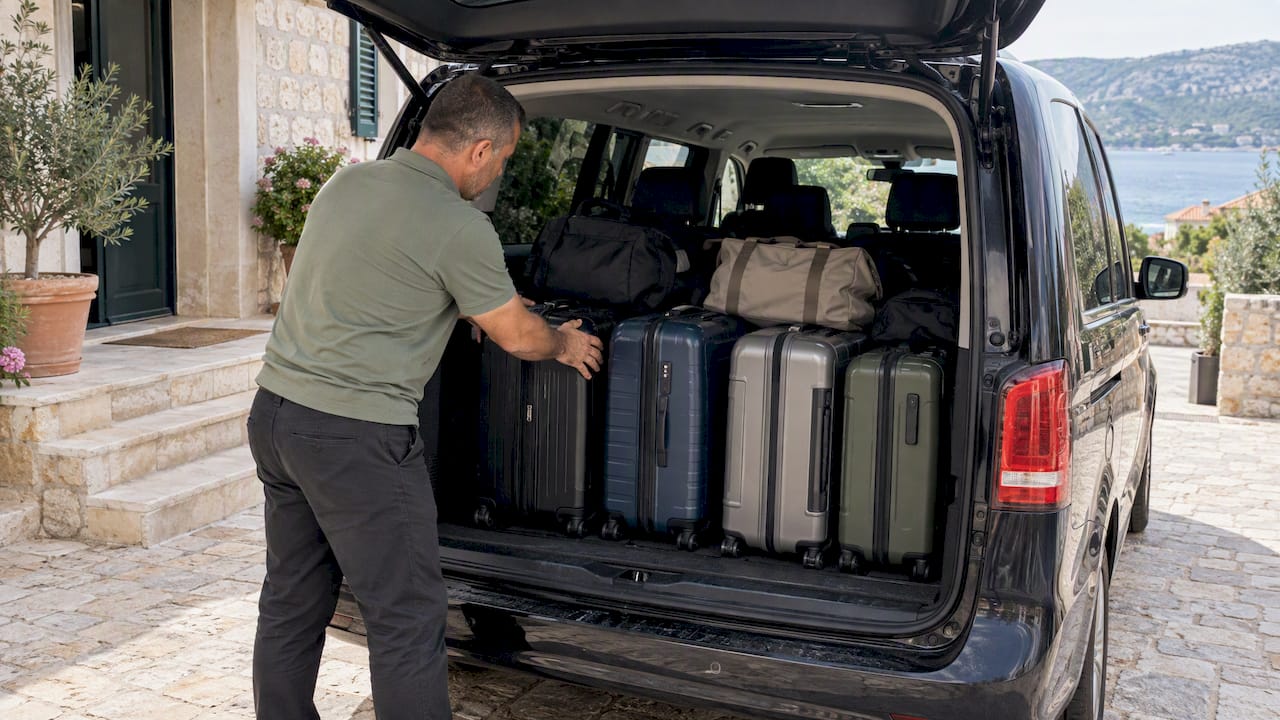
A licensed, English-speaking driver and a modern, air-conditioned vehicle turn a three-and-a-half-hour drive into part of the trip rather than a logistical hurdle. Families juggling luggage and nap schedules, small groups who’d rather split one fare than buy several bus tickets, and travelers on a tight schedule all tend to get the most value from door-to-door service. The flexibility to add a stop at Plitvice Lakes or adjust timing around a flight is the kind of convenience a fixed bus schedule simply can’t match.
— Croatia
Book your Zagreb to Zadar transfer with us
![CTA image placeholder]
We offer private transfers between Zagreb and Zadar with drivers and a choice of sedans and minivans, so your group, luggage, and timing all fit the vehicle rather than the other way around. If you want a stop along the way, such as Plitvice Lakes or another detour, it can be included in your itinerary rather than treated as an afterthought.
- Request a quote through our private transfers page with your travel dates and passenger count.
- Check vehicle options and intercity routes on our intercity transfer page if you’re planning a longer itinerary across Croatia.
- Reserve early for summer dates or Croatian public holidays, since preferred time slots fill up well ahead of peak season.
Reach out with your dates and we’ll confirm a vehicle and a fixed price before you need to decide anything else.
FAQ
Are taxis expensive in Croatia?
Taxi fares in Croatia vary by city, but Zagreb Airport publishes a starting price of €2.95 plus a per-kilometer rate for trips from the airport. For a long route like Zagreb to Zadar, a taxi typically costs more than a private transfer once tolls and distance are factored in.
Can I use Uber in Zadar, Croatia?
Ride-hailing availability varies by city in Croatia, and travelers should check current app coverage for Zadar directly before relying on it. A licensed taxi or a pre-booked private transfer remains the most dependable option for longer intercity routes like Zagreb to Zadar.
How much does a taxi fare cost from Zagreb Airport to the city?
Zagreb Airport’s official taxi page lists a starting price of €2.95 along with capped per-kilometer rates and maximum fares for several fixed routes into the city. Travelers should confirm the exact fare with the driver before departing, since not all vehicles accept the same card types.
How much does a taxi cost from Zadar airport to the city center?
Taxi pricing for Zadar Airport follows a similar structure to other Croatian airports, with a starting fare plus a per-kilometer charge rather than a single fixed rate. For an exact figure, check with a local taxi operator directly, since published route caps are specific to each airport.
What’s the cheapest way to get from Zagreb to Zadar?
The Arriva bus service is the lowest-cost option, with fares generally falling between €9 and €20 per seat and a journey time of roughly three to three and a half hours. A private transfer costs more overall but covers the whole vehicle rather than a single seat, which can even out the cost for groups.
Sources
- Tolls
- HAK — Traffic forecast for extended weekend (June 2026)
- Franjo Tuđman Airport Zagreb — By Taxi
- Arriva — Bus Zagreb–Zadar timetable and fares
- Hrvatske autoceste — A1 toll price list